


 Nederlands
  English (UK)
  Русский
  العربية
  日本語
日本語  한국어
한국어  Magyar
  Türkçe
  Español
  Čeština
  Svenska
  Português
  Ελληνικά
  Suomi
Suomi  Română
  Italiano
  Français
  Polski
  Українська
  Deutsch
  简体中文
简体中文  Slovenčina
 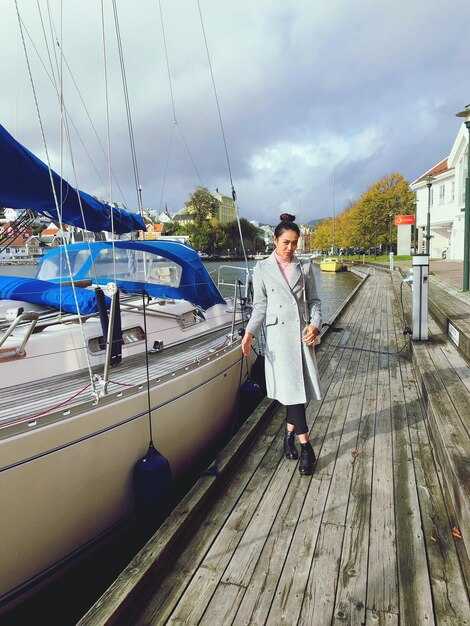 Complete an Effective Check-In and Boat Inventory – A Step-by-Step Guide">

Start with a focused check-in: document damages and confirm crew readiness within three minutes. While you are looking over the deck, consider the motor, outboard gear, and safety items to ensure they are needed for the trip and ready for operation.
Use the radio to confirm status with your crew, pick a course for the inventory cycle, and pull up checklists and charts that reflect the official procedure. Keep the process clear and repeatable, covering at least 10 common items such as life jackets, fire extinguisher, first-aid kit, spare parts, lines, fenders, batteries, and backups for critical components.
Under a steady pace, perform a quick review of the hull, rigging, and outboard gear, looking for corrosion, loose bolts, or unusual wear. If you detect errors, note them, snap photos, and compare against charts or past records. The routine helps you keep a reliable history and reduces the risk of missing a fault.
Ensure the throttle moves freely, the radio transmits clearly, and the motor starts smoothly. Verify the outboard clamp, prop, and safety lanyard are in place so you can begin the trip with confidence.
Close the loop by assigning owners for each item, keeping a simple run sheet, and updating charts after every check-in. This step-by-step procedure supports fast corrections and reduces rework before you head out.
Maintain cadence: review items, log progress, and prepare for the next check-in. A consistent approach helps the crew stay aligned with the course and minimizes delays.
Boat Operations: Check-In and Inventory Guide
Confirm onboard personnel and passengers, and complete the paperwork within five minutes; secure all entry points and log the status on the chart. The captain signs off, and you verify flotation gear is in place so you can handle currents and weather smoothly, with security at the hatch and everyone clearly aware of roles.
Inventory is item-level precision: count each item onboard–from life jackets and fire extinguishers to spare bulbs, lines, and fenders–and log its location in the master log. Use a rugged handheld device or waterproof notebook to capture serial numbers, expiry dates, and the condition of each item, then cross-check with operators on duty so the chart stays accurate.
Check critical systems and readiness: test control panels and engine start sequences, inspect the electrical system, bilge pump, navigation lights, and VHF radio. With modern equipment, verify emergency gear is ready, including first-aid kits, distress flares, and a spare pump. Confirm flotation devices are serviced, and note any anomaly in the log to preserve integrity and insight for the crew and captain.
If an issue surfaces, address it immediately: log the problem, assign a responsible operator, and update the chart. Use a ‘theyll’ tag in the system to flag items needing escalation, so everyone knows where to find the documentation. Communicate clearly to the captain and onboard crew; if it’s a safety concern, escalate to security and record the resolution for integrity. In all cases, they’ll rely on a complete record to prevent failure and keep operations smooth.
Finish with a quick post-check-in summary and ensure the yacht’s ongoing readiness: compare the latest inventory with the manifest, confirm no missing items, and note any discrepancy on the chart for the next leg. Keep the plan simple so the process can be completed smoothly on every voyage, and store the record onboard for audits and safety reviews, where the method itself supports consistent results.
Complete a Thorough Check-In and Boat Inventory: A Step-by-Step Guide; Your Final Check Integrating Smart Fueling for a Smooth Departure
Start with a focused action: pull the electronic checklist on the tablet, assign the captain to lead the walk-around, and have the manager present to verify each record. This reduces redundancy and keeps the crew calm, ensuring a pleasant routine as wind and load shift before departure.
-
Dockside prep and roles – Confirm crew onboard and present for the task. Record time in seconds, confirm the load manifest, and verify that the electronic checklist is live. Assign roles so the captain handles the verifications of hull, fenders, and lines, while the manager tracks items and compliance.
-
Deck and hull verification – Inspect lines, cleats, anchor rode, and fenders. Look for wear, chafe, or hazards. Use a quick visual pass, then a tactile check on rails and of the outboard mounting points. Note any needed repairs before the yacht moves.
-
Mechanical and hydraulic systems – Check hydraulic steering, winches, and bilge pumps. Verify oil level and coolant on the outboard and main engines, confirm battery status, and test automatic pre-start sequences. Record any anomalies and schedule repairs if needed.
-
Fueling and load management – Read electronic fuel gauges, confirm fuel within safe range, and review the load list against the manifest. Ensure proper venting and no leaks. For smart fueling, set auto-fill thresholds, verify the fueling valve, and test the auto-stop function so the amount matches the needs of the wind and seas.
-
Electrical and navigation gear – Verify radar, chart plotter, GPS, and audio/VHF. Confirm battery banks and charging sources, including any solar or shore-power connections. Verify that the electronic checklist items about compliance and safety are complete.
-
Safety gear and crew readiness – Inspect life jackets, throwable devices, fire extinguishers, first-aid kit, and emergency signaling. Confirm that safety briefings were held, and that all crew know their tasks.
-
Inventory and spares – Cross-check each item on the boat with the manifest: spare bulbs, fuses, oil, belts, tools, repair kit, and hydraulic fittings. Mark instances where stock is low and arrange restocking to prevent stress during peak operation.
-
Final check and sign-off – Complete the recap in the electronic checklist, verify every item listed as present or just needed, and have the captain and manager sign off. Record any hazards and the plan to address them before departure.
Final integration step: run a quick smart fueling sequence before push-off. The system should automatically top up to the preset level, accounting for load, expected wind, and planned speed. Verify the auto-fueling log, confirm no mismatches, and present the final fuel state to the captain and manager. This keeps the crew calm, reduces stress, and ensures a smooth departure with the load evenly distributed across the yacht and outboard units.
Throughout, keep the routine tight: verify each item, avoid redundancy, and rely on the tools you trust. Knowing the exact status of every component–electronic gauges, hydraulic lines, and safety gear–lets you complete the check-in in seconds, present a clear picture to everyone aboard, and enjoy a seamless launch. The guide you follow today becomes the management standard for every voyage, turning routine checks into reliable practice for a pleasant, compliant operation, every time you set sail on the yacht.
Pre-Check-In: Gather Documentation, Assign Roles, and Prepare Safety Gear
Collect and verify all required documents now, then perform a quick check-out with the team. Prepare the following: boat registration, insurance, vessel ID, radio license, crew IDs, medical info, emergency contacts, trip plan, and safety-drill records; keep copies on paper and in a digital folder. This step sets the foundation for a smooth morning and keeps everyone ready to sail.
Assign Roles for boaters: designate a captain, a first mate, and deckhands, plus a dedicated lookout and radio operator. This keeps responsibilities clear so each knows their particular tasks, who handles lines, who tracks current conditions, and who leads the safety checks. Write the roles on a short sheet and place it where everyone can see it.
Prepare Safety Gear: review life-saving gear. PFDs must fit properly for each boater; ensure throwable throw bags, rescue lines, a fire extinguisher, a first-aid kit, whistle, and flashlight are on hand. Check expiration dates and test functionality; replace anything failing. Store items where they are easy to reach, but secure loose items to prevent movement during motion.
Create a gear and contact chart: place a chart near the helm showing the location of life-saving gear, spare batteries, and the marine radio channel. Record the following details: equipment type, last testing date, and assigned operator. Use this chart during the morning prep and for following safety checks.
Operational readiness: tidy the deck, secure loose lines, and confirm anchors, fenders, and mooring gear are ready. Do a quick test of steering and throttle while one person stays in reserve for a potential overboard alert drill. Then run a brief drill in calm conditions to build good habit and reduce risk.
Boat Inventory Scope: Hull, Engine, Electronics, and Safety Equipment
Start with a pre-departure hull inspection and document findings accurately. Theres no guesswork: everyone onboard should know the status and have access to photos and notes.
The hull scope includes surface condition, blistering, corrosion, fasteners, chainplates, through-hulls, and bottom paint. Check for moisture in decks and transoms, verify seacocks are closed, and ensure bilge areas stay dry under normal conditions. Note any major repairs or part replacements needed before the charter begins.
Engine scope: record engine hours, inspect oil level and coolant, belts and hoses, impeller, fuel filters, and exhaust elbows. Plan oil changes every 100 hours or annually, whichever comes first. Check mounting bolts for tightness, look for leaks, and test the bilge pump readiness. Keep spare parts for the engine on hand–the most common items are filters, belts, impeller, and an extra fuel line. Onboard manuals should show current service intervals and maintenance supplier contacts.
De scope van de elektronica omvat de batterijconditie, het laadsysteem en de belangrijkste navigatie suite: VHF-radio, kaartplotter, GPS, radar en autopilot indien geïnstalleerd. Test displays, alarmen en netwerkverbindingen. Controleer back-ups zoals een reservebatterij en een draagbare oplader. Inspecteer de bedrading op slijtage van de isolatie en bevestig dat de источник van stroom stabiel blijft tijdens het draaien van de motor of walstroom. Apparatuur aan boord zoals dieptesensoren of weersapparatuur moeten functioneren binnen de normale stroomafname en worden gecontroleerd tijdens de pre-departure check.
De veiligheidsuitrusting omvat reddingsvesten, drijfmiddelen, brandblussers, noodsignalen, EHBO-kit en reserve PBM. Controleer vervaldatums, manometers en toegankelijkheid. Bevestig de status van reddingsmiddelen indien aanwezig en zorg ervoor dat de bemanning weet waar ze de items kunnen vinden. Test de lenspomp en reservepompen indien beschikbaar, en controleer of de blussers zijn opgeladen. Oefeningen voor vertrek of bepaalde cursussen helpen iedereen om kalm en veilig te reageren, waardoor een aangename, chartervriendelijke omgeving voor de bemanning en gasten ontstaat.
Maak een boord inventarislogboek met onderdeelnummers, artikelbeschrijvingen, vervaldatums en locatie. Wijs de verantwoordelijkheid toe aan een bemanningslid, zodat er verantwoording is. Gebruik reserveonderdelen en markeer duidelijk waar elk onderdeel is opgeslagen. Sommige onderdelen, zoals apparaten, moeten worden gecontroleerd op compatibiliteit met het elektrische systeem van het schip. Onderhoud een actuele lijst van leveranciers of technici als betrouwbare источник voor vervangingen en reparaties.
Het volgen van deze richtlijnen zorgt ervoor dat de charter voor iedereen plezierig blijft en vermindert verrassingen, terwijl het een veilige en vlotte werking tijdens de reis ondersteunt.
Aanmeldingsprocedure Dock: Bevestig Communicatie aan de Kade, Logboekupdate en Tijdslijnen

Begin met een snelle radio check en een visueel signaal bij het naderen om zichtbaarheid met de dokwerkers te garanderen. Dit toont gereedheid en voorkomt onverwachte vertragingen die het schema kunnen vertragen.
- Dockside Communicatie Bevestigen
- Neem contact op met de aangewezen aanleglijn of havenmeester op het toegewezen kanaal; bevestig namen, scheepsidentificatie en gereedheid. Zij bevestigen dat het kanaal vrij is en je een antwoord hebt.
- Verifieer dat het signaal werkt, roepletters duidelijk zijn en er geen overlap is op het kanaal.
- Noteer de tijd en namen in het logboek, en noteer of er problemen ontstaan (bijvoorbeeld storing of een zwak mobiel signaal).
- Deze stap toont bereidheid en voorkomt verwarring; houd de boodschap bondig en bevestig dat alle partijen akkoord gaan.
- Logboekupdate
- Voer doknaam, scheepsnaam, kapitein, bemanningsaantal en reisdoel in; registreer brandstofniveau, ballast en opgeborgen materiaal voor een veilige behandeling.
- Noteer de status van de apparatuur, inclusief outboard gear en eventuele kleine onderhoudstaken die zijn uitgevoerd tijdens de check-in.
- Registreer alle storingen of problemen die de planning kunnen beïnvloeden, met locatie en ernst; zorg ervoor dat vermeldingen correct ondertekend en van een tijdstempel voorzien zijn.
- Houd dekken vrij van rommel en zorg ervoor dat toegangswegen vrij zijn voor een veilige beweging.
- Tijdschema's en Coördinatie
- Stel doelstellingen vast voor de duur van het vastmaken, de inspecties, de behandeling van de lading en het vertrek; publiceer deze tijdlijnen aan exploitanten en de havenraad, zodat er gedeelde zichtbaarheid is.
- Houd het plan flexibel waar deze licht afwijken door weer, getij of drukte bij de aanlegsteiger; gebruik een reserveplan voor kritieke taken. Sommige taken kunnen langer duren; pas dit dienovereenkomstig aan.
- Wijs een primaire en secundaire persoon aan die verantwoordelijk is voor updates; bevestig dat de snelheid en beheersing van lijnen, fenders en uitrusting voldoen aan veilige normen.
- Onvoorziene omstandigheden en veiligheid
- Vang problemen vroegtijdig op door logging en over te schakelen op back-up communicatie; vertraag notities of overdrachten nooit, omdat dit de veiligheid waarborgt.
- Gebruik open kanalen; deel de situatie met de operators en, indien nodig, de raad voor advies; houd de bemanning op de hoogte om verrassingsreacties te voorkomen.
- Verificatie en Afsluiting
- Bekijk het logboek met de bemanning en het dokpersoneel; bevestig dat alle items correct zijn genoteerd en de tijdlijn haalbaar is.
- Sluit de check-in af door de gereedheid voor de volgende fase aan te geven; sla de invoer op in het logboek en voeg eventuele foto's of ondersteunende notities toe.
Slimme brandstofintegratie: brandstofniveau, tankontluchting en veilige tankstappen valideren
Controleer het huidige brandstofniveau op de boordmeter voordat u gaat tanken en bevestig dat het overeenkomt met de laatst geregistreerde niveaus. Presenteer nauwkeurige metingen van de apparaten om de gegevens duidelijk te valideren; dit is een cruciale voorzorgsmaatregel die helpt brandstoflekkages, brandgevaar en problemen te voorkomen. Als metingen verschillen, pauzeer dan op het punt van de discrepantie, registreer deze en maak back-ups door een handmatige peilstok of externe sensor te controleren. Weten wat de status over de niveaus is, maakt snellere beslissingen mogelijk. Wees je bewust van veelgemaakte fouten en corrigeer ze voordat je verder gaat. Deze maatregelen helpen de bemanning veilig te blijven.
Inspecteer het tankontluchtingssysteem: lokaliseer de ontluchtingsleiding, zorg ervoor dat deze vrij is van obstructies en controleer of de ontluchtingsdruk tussen tank en atmosfeer blijft. Tijdens zeiloperaties verhoogt beweging het risico, dus controles moeten worden uitgevoerd in stabiele omstandigheden, vooral wanneer de zeilen zijn gezet. Waar ontluchting geblokkeerd is, moet het tanken stoppen en moet er communicatie met de bemanning plaatsvinden om de rust aan boord te bewaren. Deze aanpak verzekert gecoördineerde actie.
Volg tijdens het tanken deze stappen: houd het vulpistool stabiel, bewaak de stroomsnelheid en stel de automatische stop in om overvulling te voorkomen. Als de laadwaarde van de pomp afwijkt van de tankniveaus, pauzeer dan en voer back-ups uit door kruiscontroles uit te voeren met de meter aan boord. Houd ontstekingsbronnen uit de buurt en minimaliseer risicovolle, levensbedreigende scenario's door snel maar methodisch te werk te gaan.
Nacontroles en documentatie: noteer na het tanken de meterstanden, vergelijk deze met eerdere gegevens en bereid back-ups voor, zoals een peilstok of een tweede meter, om de resultaten tijdens de volgende cyclus te controleren. Teamleden dienen tanklogs na elke cyclus te controleren om de praktijk te verbeteren.
| Checkpoint | Action | Waarom |
|---|---|---|
| Brandstofniveau verificatie | Lees de meter aan boord af, vergelijk met de aflezing van de pomp, bevestig de nauwkeurigheid. | Voorkomt verkeerd lezen dat kan leiden tot morsen en brandgevaar |
| Tankontluchting | Controleer de ontluchtingsleiding op verstoppingen, zet de dop vast en verifieer of de druk tussen tank en atmosfeer blijft. | Voorkomt drukopbouw en lekkages |
| Veilige tankstappen | Houd het vulpistool stabiel, bewaak de doorstroming, stel de automatische stop in, vermijd overvullen. | Vermindert het risico op levensbedreigende morsen en geurproblemen |
| Nacontroles en back-ups | Logboekmetingen, data vergelijken, back-ups gebruiken (peilstok/apparaat alternatieve metingen) | Onderhoudt nauwkeurige gegevens en biedt snelle hulp als metingen afwijken. |
Definitieve vertrekgereedheid: Weer- en getijdecontroles, noodplannen en briefing aan boord.
Bevestig nu de weer- en getijdevensters en leg een noodplan vast voordat je losgooit. Deze operationele stap is onderdeel van je voorbereiding en zorgt ervoor dat je een veilige marge hebt voor hun tochten; zet de gashendel tijdens controles in de neutraalstand en pas deze pas na de briefing aan.
Bekijk de laatste voorspellingen van de autoriteiten, windsnelheid, windstoten, zeeën, zicht en getijdeverschil. Zorg ervoor dat de waterlijn binnen de veilige limieten van het schip blijft door de lading en ballast in evenwicht te houden, en plan een route die zware deining vermijdt. Routinecontroles van navigatielijnen, radar, VHF en GPS zorgen voor snelle communicatie. Kennis van de limieten van uw schip helpt u risico's te vermijden en de rust aan dek te bewaren.
Noodplannen omvatten minstens twee terugvalopties: een geschikte haven met brandstof, beschutting en reddingsdiensten; en een alternatieve route beschut door kustbakens. Stel een duidelijk beslispunt vast: als de wind meer dan 25 knopen bereikt of het zicht minder is dan 1 zeemijl, schakel over naar de veiligere haven. Communiceer het plan aan de autoriteiten en aan hun bemanning, en houd hen op de hoogte van wijzigingen. Neem een go/no-go drempel op en controles van één minuut voordat u opnieuw gas geeft.
Onboard briefing aligns the crew: assign roles for checking lines, monitoring weather updates, handling electrics, and calling authorities if needed. Review compartment layout and ensure there is no intrusion risk; verify bilge and drainage, and confirm the location of all safety gear. Rehearse a man overboard drill, designate a recovery point for the life raft, and confirm the status of life jackets. This briefing builds clarity, which translates to peace and safety for your vessel and its people. Theyll commit to the plan and respond calmly under pressure.
Make this a habit: conduct these checks on every trip, so the procedure becomes common and automatic. The checklist includes weather, tide, contingency, and onboard briefing, and it should be stored in a suitable compartment. youve built a complete routine; theyll learn to know lines, follow safety protocols, and respond to a man overboard. Knowing the plan, theyll reinforce discipline and keep peace on deck, with the vessel safely riding the waterline and throttle adjustments kept smooth during departure.