


 Nederlands
  English (UK)
  Русский
  العربية
  日本語
日本語  한국어
한국어  Magyar
  Türkçe
  Español
  Čeština
  Svenska
  Português
  Ελληνικά
  Suomi
Suomi  Română
  Italiano
  Français
  Polski
  Українська
  Deutsch
  简体中文
简体中文  Slovenčina
 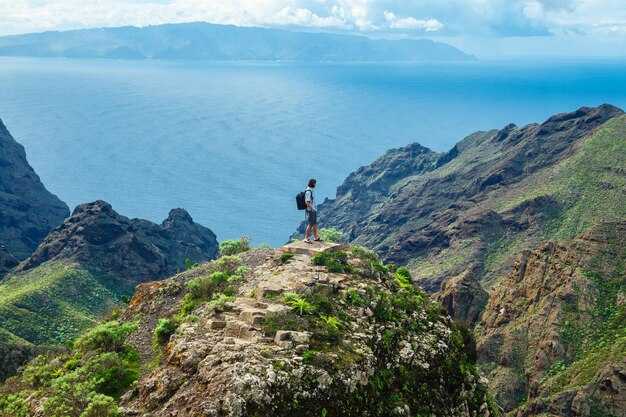 Can You Climb the Pitons in St. Lucia? All the Ways to Explore the Famous Volcanoes">

Ja, begeleide beklimming is haalbaar voor klimmers met eerdere ervaring. Niets behouden op zeker te spelen door een erkende gids te kiezen.
Onshore routes beginnen bij toegangspunten nabij beschermde reservaten; luciaanse gidsen leiden rondleidingen met duidelijke veiligheidsinstructies en de juiste uitrusting, en bieden real, gecontroleerde klimopties voor wie structuur zoekt in plaats van improvisatie.
Vrijwel elke optie levert resultaat. unforgettable perspectieven boven resorts, smaragdgroene begroeiing en turquoise bronnen. Reis per catamaran naar baaien waar je laag over het water aankomt, toppen zie je oprijzen boven een woud van bladeren.
Bekende tours worden georganiseerd door erkende bedrijven; om de veiligheid te maximaliseren, kies je voor kleine groepen, formele risicobriefings en toegangsbeperkingen waar vereist door de autoriteiten. Zoals gezegd, kies operators met gecertificeerde gidsen en geverifieerde veiligheidsrecords.
Reisplanning zou accommodatie in echte resorts moeten omvatten; de Luciaanse gastvrijheid is sterk, met lokale bevolking tips delen; een stevig plan zorgt ervoor dat je het meeste uit beklimmingen en kustverkenningen haalt.
Wat zijn de beste manieren om de Pitons te verkennen?
De beste optie voor nieuwe bezoekers: een begeleide boottocht gecombineerd met een korte wandeling. Deze combinatie biedt goede toegang tot iconische silhouetten, vermijdt zware inspanning en bevredigt de nieuwsgierigheid naar wilde dieren in een compact formaat.
- Boot-en-wandelcombo's: vertrek vanuit de haven van Castries of Soufrière; passagiers gaan aan boord van een klein vaartuig, krijgen commentaar over de kustlijn en vervolgens een korte wandeling naar een uitkijkpunt. Waar de toegang het gemakkelijkst is, combineren deze trips een zeeperspectief met een uitkijkpunt dat een echte schaal toont en de geluiden van zeevogels langs kliffen. Gidsen vertellen verhalen over rotsformaties en lokale fauna; feit: regenwoudranden en cacao-plantages voegen culturele context toe. Stops om even uit te stappen bieden fotomomenten, vaak met zachte breezes en cacao-aroma's. Deze optie biedt een goede balans voor wie op zoek is naar een efficiënte introductie, en de genoemde inzichten van gidsen voegen extra waarde toe.
- Begeleide boswandelingen: korte, goed gemarkeerde routes beginnen nabij vissersdorpen en klimmen naar uitzichtpunten die een breed landschap onthullen. Deze wandelingen zijn goed begaanbaar en geschikt voor veel reizigers; bereikbaar via lokaal vervoer of een korte boottransfer. Gidsen vertellen over de geschiedenis van de cacaoteelt en leggen microklimaten uit; plantages lieten stappen in de cacaoverwerking zien tijdens een plantagebezoek, wat praktische context toevoegde.
- Snorkel- en kajaktours: beginnen bij beschutte baaien, peddel langs basaltmuren, en snorkel vervolgens tussen koraalhoofden; dieren in het wild zoals zeeschildpadden en rifvissen kunnen verschijnen. Deze optie is vrij flexibel voor groepen met uiteenlopende conditie, en passagiers kunnen pauzeren in kalme baaien om te genieten van cacao-dranken of eenvoudige snacks. Toegang is eenvoudig vanaf aanlegsteigers bij resorts, met veiligheidsinstructies van gediplomeerde gidsen.
- Luchtperspectieven: helikopter- of kleine vliegtuigvluchten tillen groepen op boven kustlijnen en landschappen en leveren een vrijwel compleet panorama in 15–25 minuten. Of het weer meewerkt, bepaalt de zichtbaarheid de uiteindelijke uitzichten; rotor geluiden voegen een dramatische dimensie toe. Deze optie is geschikt voor reizigers met weinig tijd of die op zoek zijn naar een overzicht op hoog niveau; ook varieert de prijs met de duur en het type vliegtuig.
- Culturele en plantagetours: bezoeken aan cacao-plantages, wandelingen over plantages en proeverijen onder begeleiding verbinden natuurschoon met regionaal erfgoed. Resorts organiseren vaak dagtochten met uitzichtpunten, uitzichtpunten langs de kust en korte wandelingen door het binnenland. Deze optie biedt veel context, zoals lokale geschiedenis en cacaoproductie, en de lokale bevolking deelt verhalen over geschiedenis, gewasteelt en het leven langs de kust.
- Privé charters en zelfstandige opties: privé boot charters of huurkajaks laten groepen hun eigen tempo bepalen; passagiers bepalen routes, pauzeren bij afgelegen baaien, en meren opnieuw aan voor foto's terwijl het landschap zich ontvouwt. Deze optie biedt maximale controle en is geschikt voor reizigers met een flexibel budget, met name voor wie privacy en een aanpasbaar tempo zoekt.
Daarom combineren veel reizigers verschillende van deze tours om toegang, tempo en mogelijkheden om wilde dieren te zien in evenwicht te brengen, waarbij ze een strategie kiezen die past bij waar ze verblijven en wat ze graag zouden willen spotten. De tours waar je van gehoord hebt, benadrukken misschien een gemakkelijke mix van opties, maar deze aanpak weerspiegelt echte voorkeuren en op feiten gebaseerde planning.
Dat is een praktische tip voor reizigers die een reis plannen.
Gros Piton Summit Trek: Route, Duur, en Voorbereiding
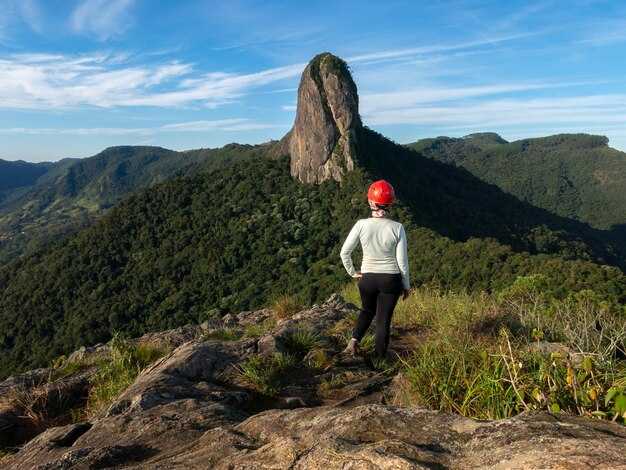
Laat de dageraad beginnen met erkende gidsen; de hitte is verminderd, vermoeidheid beperkt en de beklimming wordt onvergetelijk.
Route begint aan de rand van een cacaoplantage; klimt in het regenwoud, maakt haarspeldbochten, en beklimt vervolgens vaste stalen ladders op steile stukken; afstand heen en terug ongeveer 4 km; hoogteverschil bijna 800 m; typische duur 2,5–4 uur, afhankelijk van tempo en rustpauzes.
| Aspect | Details |
|---|---|
| Beginpunt | rand van cacaoplantage om toegang te krijgen tot het pad |
| Afstand | ≈4 km heen en terug |
| Hoogtemeters | ≈800 m |
| Typical duration | 2,5–4 uur |
| Terrain | bos, haarspeldbochten, blootliggende stalen delen |
| Best season | droog seizoen, november–april |
| Guides | lokale gediplomeerde gidsen; essentiële veiligheid |
| unesco status | Werelderfgoedlandschap inclusief Pitons-gebied |
Voorbereiding essentials: laarzen met stevige grip; ademende lange mouwen; breedgerande hoed; zonnebrandcrème; insectenwerend middel; 2–3 L water; elektrolytenmix; snacks; hoofdlamp; extra laag; lichte regenjas voor plotselinge buien; zorg ervoor dat je zo min mogelijk gewicht inpakt; of het weer droog of vochtig blijft, pas het tempo aan; gedrukt door de hitte, blijf gehydrateerd; gidsen bieden veiligheidsmaatregelen; vermijd verkeerde voetstap op gladde rotsen.
Tips na de trek: rust na de afdaling uit bij de cacaocoöperatie of nabijgelegen resorts; de Caribische lucht nodigt uit tot herstel; gidsen houden het tempo erin met douxs om iedereen veilig te houden; het is het beste om flexibel te blijven, of het groepstempo nu vertraagt of het weer omslaat; iemand die nieuw is met klimmen zal de route fysiek veeleisend maar zeer lonend vinden; deze erfgoedervaring versterkt echter de liefde voor bergen en de cacaocultuur.
Petit Piton beklimming: Moeilijkheidsgraad en schilderachtige hoogtepunten
Begin bij zonsopgang bij de poort van het dorp Lucian, nabij de uitlopers van Gros Piton; de nadering biedt een gemiddelde moeilijkheidsgraad, met smalle routes en blootgestelde richels.
De top wordt bereikt na ongeveer 3,5–5 uur heen en terug, afhankelijk van de tijd, met ongeveer 500–650 meter hoogteverschil; enkele klautersecties hebben baat bij touwen voor de veiligheid.
Verwacht steile afgronden langs smalle paden; blijf vastgebonden op blootgestelde hellingen; één misstap kan ernstige gevolgen hebben, dus aarzel nooit om terug te trekken als de omstandigheden verslechteren.
De vegetatie varieert van Caribisch regenwoud tot nevelwoud, met varens, mos en cacaoboomgaarden die schaduw en geur bieden; na regenval verschijnen er watervallen op hellingen die verfrissende microklimaten creëren.
Deze route heeft een gemengd profiel: goede ondergrond op aarde, haarspeldbochten in rotsachtige gedeelten en enkele korte, ladderachtige oversteekplaatsen; een matige algehele helling zal liefhebbers van ruige bergparcoursen aanspreken.
De geologische geschiedenis onthult basaltlava, zuilvormige structuren en vruchtbare gronden gevormd door vulkanische activiteit; de Luciaanse landbouw was van oudsher gericht op cacao, wat nog steeds het landschap nabij de stad en geliefde hellingboerderijen beïnvloedt.
Praktische tips: neem voldoende water mee, bescherming tegen de zon, stevige laarzen en een trui voor de kille hoger gelegen delen; houd een goed tempo aan, blijf in de buurt van de gids als de omstandigheden veranderen; een compacte trui kan essentieel zijn voor de wind op de top.
Toegangspunt ligt nabij Soufrière; parkeren onderaan; de tijd van het jaar beïnvloedt het risico op regen; bezoek in droge maanden om de zichtbaarheid te maximaliseren; plan een verblijf in een accommodatie in het dorp na de wandeling voor herstel en reflectie.
Voor Lucian liefhebbers en bezoekers die op zoek zijn naar een pure alpine ervaring, biedt de beklimming van Petit Piton een serieuze uitdaging met veel mooie vergezichten en een belonende top met uitzicht over een weelderige groene achtergrond.
Begeleide Tours vs. Zelfstandige Tours: De juiste Piton-ervaring kiezen
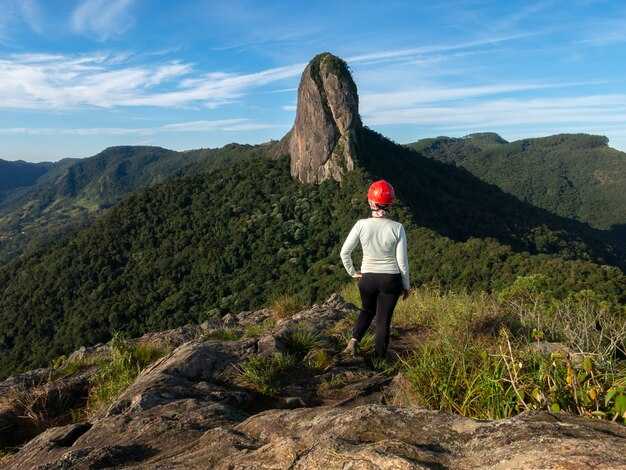
Choose a guided experience if safety, local knowledge, and stunning landscapes matter most; self-guided works for hikers who seek flexibility.
Guided option includes a licensed guide, route notes, weather checks, fixed start times, and snacks; great safety and peace of mind.
Self-guided trips demand careful planning: map literacy, pack weight, water, foot care, and readiness to adjust when weather shifts; when a local guide showed safer lines, routes became clearer for hikers.
Packing checklist matters: backpack with water, snacks, first aid, headlamp, and rain cover; while navigating trails near waterfalls, a light joke helps crew stay focused.
Safety and rescue: in emergency, helicopter evacuation is rare but possible; keep local contacts handy and listen to guide’s advice during bottom stretches.
unesco designation adds value by encouraging sustainable practices, local pride, and years of stewardship. For many, recommend guided option for newcomers, while self-guided suits hikers pressed for time. Answer most hikers seek lies in balancing safety with personal pace over time.
Water-Based Visits: View from the Pitons by Boat, Snorkel, or Kayak
Begin with guided boat or kayak excursion at dawn; calmer waters yield richer colors. Depart from a small harbour near Soufrière, glide toward nearby islets, and soak in dramatic sea cliffs rising from azure depths.
Snorkel segment reveals vibrant coral, barrel sponges, and schooling fish; planned stops cover reef shelves along windward sides, with chances to spot sea life near shoals.
Kayak option suits hikers, eco-conscious travelers; quiet paddling lets you hear water lapping, seabirds, distant surf. Choose longer route for larger bays and multiple islets.
Prices around 60–150 douxs depending on duration, equipment, and included snacks. Many operators provide buoyant life vests, snorkel sets, and eco-friendly bottles, ensuring comfort on day trips.
Nearby islands offer options to extend visit; some outfits provide coffee or fruit snacks, and ingredients sourced locally for tastings during pauses.
Recorded narration appears on some tours, delivering safety briefings, wildlife notes, and cultural stories; groups remain small to keep focus and safety high.
Keep gear organized; on smaller boats, move calmly to preserve balance and safety.
Safety hinges on season, wind shifts, and sea state; private options offer flexible schedules if lighting or visibility matters for shorelines and cliff faces.
Eco-friendly practices shape each itinerary: avoid single-use plastics, bring reusable bottles, and choose vendors who protect vegetation along rocky slopes and nearby coves.
Afterward, return route reveals mass of nearby town clusters, with perspectives highlighting summit snapshots, rock faces, and shimmering water around island groups; youll find souvenirs and snacks at dockside stalls.
Safety, Permits, and Local Etiquette for Piton Explorers
Get permits well in advance from park authority or ranger desk. Hire a licensed guide, and pick a moderate course with clearly marked routes toward pitons. Pack sunscreen, snacks, and at least two liters of water; pace for comfort, monitor energy, rest in shade. Look ahead for weather changes; be prepared for sudden gusts. Avoid wrong footing; maintain three points of contact on rocky sections. Pace matters over heat.
Permits must be shown at entry; violations carry penalties. Certain days require guided groups; independent ventures discouraged. unesco designation emphasizes conservation and wildlife protection; keep distance from nesting sites; do not disturb vegetation. Much depends on weather. One thing matters most: permit verification. Some would-be hikers should verify permits in advance.
Safety gear includes sturdy footwear, hat, sunscreen, lightweight rain layer, headlamp, first aid kit, whistle, and map or offline GPS. Hydrate regularly; carry extra water and energy snacks. Difficulty levels vary; choose option aligned with fitness. Even seasoned hikers welcome professional advice.
Etiquette for locals and crews: stay on marked paths; avoid loud conversations near nesting zones; give way to passengers moving uphill; respect private property and camp boundaries; ask permission before photographing people. Being mindful supports etiquette; looking ahead, participants should stay within marked limits around wildlife. A quick joke can lighten mood without delaying safety. Respect local customs and avoid loud celebrations after dark; this helps everyone enjoy surroundings safely.
Practical tips: plan around peaks and sun exposure; sunscreen is essential; pack lightweight snacks; keep wildlife distance; do not feed. Many reviews from travelers highlight safety, accessibility, and beauty seen on excursions. Like many voyagers, passengers look for clear guidance and strong results. Aiming for exhilarating adventures beyond basic outings requires paying attention to reason, preparation, and local regulations.