


 Nederlands
  English (UK)
  Русский
  العربية
  日本語
日本語  한국어
한국어  Magyar
  Türkçe
  Español
  Čeština
  Svenska
  Português
  Ελληνικά
  Suomi
Suomi  Română
  Italiano
  Français
  Polski
  Українська
  Deutsch
  简体中文
简体中文  Slovenčina
 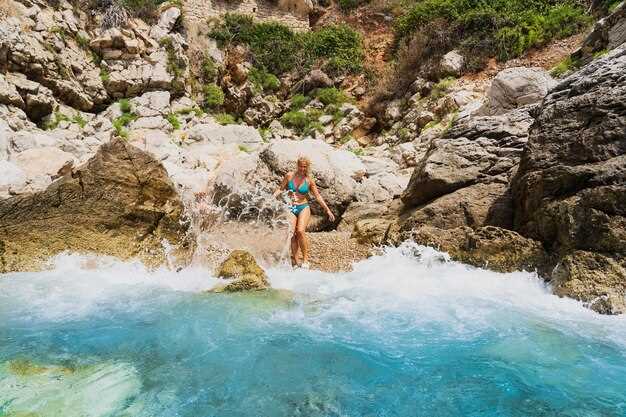 Butterfly Valley in Fethiye – The Ultimate Guide to Turkey’s Scenic Beach">

Visit Butterfly Valley at dawn for the best light and a truly sheer shoreline. Take a morning boat from Oludeniz to the beach, then descend the steep path for a 15–30 minute hike that climbs back up. Pack sunscreen, water, a hat and a light jacket; above the valley the breeze can be cool.
The site offers diverse features for visitors: a clear turquoise beach, safe swimming, and access to nearby caves for short explorations. An activity like a guided butterfly walk can be arranged, and you’ll see countless butterflies hovering above blooming flora, and watch for small animal life along the shore. Guides offer activities for families, photographers, and hikers, including painting sessions on the sand and nature walks to identify the species you see.
For families with childs, Butterfly Valley remains manageable on a half‑day trip. Keep to marked trails, supervise children near the water, and choose shaded spots for breaks. If you plan to stay in the area, check official need‑to‑know rules about camping, permits, and waste disposal; this helps preserve the delicate butterfly pageant that glitters over the plants.
Van greece you can plan a connector trip, using a short flight to Dalaman and a coast road drive to Fethiye, then a boat to the valley. The name Butterfly Valley is widely recognized, and guides like abrahams share the best windows for butterfly sightings. Those visiting for a nature walk can pair this with a stop at the nearby coves and then return before midday.
Keep this guide handy as you plan your Turkey itinerary: Butterfly Valley blends nature, hiking, and photography into a compact day that rewards you with a sense of paradijs. The blooms peak from late spring into early summer, so visiting during those months increases your chances to see the pageant of colors and to capture a vibrant painting on camera.
Butterfly Valley Practical Visit Plan

Arrive early and take the 15-minute boat transfer to beat the rush and indulge in Butterfly Valley’s quiet morning. Follow a shaded, covered trail that climbs toward a viewing point with fine views across the valley and the islands beyond. The inviting path frames the environment and helps you ease into the pace of trips ahead, keeping the essence of the place intact.
essentials for the day include water, sunscreen, hat, swimsuit, towel, snacks, and a small dry bag. Pack light to keep the climb manageable; wear sturdy footwear for the ascent. For options, choose a short beach swim in the sheltered cove or a hike to the upper viewpoint. The trail signage suggests staying on established routes to protect the environment and minimize disturbance to the wildlife.
Someone who wants a mindful visit should follow these tips: keep voices low, observe butterflies from a distance, and embrace the calm. Bring a lightweight layer for breeze and a small towel for after swimming. If you plan photos, use distance shots to avoid stressing the insects.
Wash up after swimming, respect the lush vegetation, and do not leave litter. From the lookout you’ll glimpse islands on the horizon and a calm sea beyond the rocks. The valley is attracting photographers and nature lovers, so keep a respectful distance. Embrace the experience by being considerate of other visitors and the local wildlife. Keep the essence of Butterfly Valley in mind: protect the lush vegetation, stay on marked trails, and avoid leaving litter.
Getting There: Ferry, Boat Tours, and Trail Access from Fethiye
Book a morning boat from Fethiye harbor to Butterfly Valley and return by late afternoon to beat the heat and crowds; in off-season, check these schedules for weekend departures to keep a relaxed pace.
Ferry and boat tours from Fethiye give you the fastest access, typically departing from the old harbor or the marina. In summer, boats run several times daily, with a voyage that lasts about 1.5–2 hours each way; return times vary by operator. Prices usually range from roughly 120–250 TRY per person, depending on inclusions such as snorkeling gear or a shore lunch. These tours run year-round.
These excursions make it easy to combine travel with a beach day and you’ll often find guides pointing out bays beyond Butterfly Valley; alongside the coast, you can spot sea life and learn about the local landscape.
Trail access from Fethiye: To pursue a self-guided option, hop a short dolmuş ride to Oludeniz and follow the cliff-facing path down to Butterfly Valley Beach. The coastal trail is designed for panoramas, with shaded sections and some stairs; plan 2–3 hours of steady hiking, or longer if you pause to swim. The route suits travelers seeking a ground-level escape, whether alone or with a companion, and rewards you with dramatic views at the summit before you reach the valley.
On land, the valley presents a laid-back retreat with a cafe and small shop near the beach; you can lounge alongside other travelers, soak up sun, and then wash off in the sea after the climb. The place boasts a simple menu including kebabs and fresh fruit, making a casual lunch a real treat for those seeking a relaxed vibe.
Practical tips: wear sturdy footwear for mixed ground and stairs, bring water and sunscreen, and carry cash for kebabs at the cafe; during the off-season evenings can be cooler, so bring a light layer. If you just travel for a quick day, aim for the early boat and the late return to maximize time at the shore, and remember to start your plan with a flexible mindset for a stress-free experience.
Best Time and Weather Windows for Butterfly Valley
Plan your visit april through june to start with a morning hike, when temperatures are comfortable, breezes light, and the pageant of machaon and maniola butterflies is mesmerizing. This window delivers reliable weather, clear sea views, and delicate wildflowers along the cliffs that captivated every traveler.
From istanbul, book a domestic flight to dalaman or bodrum, then a short transfer to Faralya. A smooth landing on the cliff road comes with a steep descent into butterfly country, getting up early for the best sightings.
Weather windows in april through june bring daytime highs around 22-26°C (72-79°F), sea surface near 18-22°C, humidity around 50-65%, and mornings often mist-free. Plan hikes for 7:00–11:00 to maximize butterfly sightings, and keep a light layer for the warm midday sun.
For a second peak, consider september through october, when mornings hold 18-24°C and afternoons stay under 28°C, making boat trips and cliff views comfortable. These months offer a rarer combination of calmer winds and fewer crowds, yet butterfly activity remains steady along the valley’s ancient paths.
Where to stay and how to move: Faralya, located on the edge of the valley, has hotels that shorten the landing and getting closer to the trail; the travel connection between the coast and the valley is straightforward via dolmus or taxi, providing easy access to sunrise viewpoints and ferry routes if you plan a round trip.
Other practical tips: Butterfly Valley is located between the turquoise coast and Faralya, perched beneath limestone cliffs; bring water, sun protection, and a light jacket; respect delicate habitats; avoid disturbing the winged pageant; gather memories quietly; under olive trees you may spot machaon and maniola caterpillars. From these vantage points you can unravel nature’s rhythm and enjoy a mesmerizing experience that comes with a rare sense of connection to the coastline.
What to Pack, Wear, and Prepare for a Day at the Beach
Pack a compact, waterproof daypack with a delta of must-haves: 2 liters of water, sunscreen SPF 50+, a lightweight repellent, a small first-aid kit, a whistle, and a compact towel. Keep a map or offline guide handy, and mount a phone or small camera on a strap for photos. This setup keeps you safe, comfortable, and ready for a peaceful day under the sun. Keep this list handy for quick checks.
Wear breathable, quick-dry clothing: a UV shirt, quick-dry shorts, a wide-brim hat, sunglasses, and water shoes or sandals. Include a light, wind-resistant jacket for breezes near coves or caves. Pack an extra change of clothes in a dry bag to refresh after a swim, and team up with your group for a smooth outing.
Storage and safety come next: store valuables in a waterproof pouch, use a dry bag, and designate a safe meeting point on the beach. If you have a small camera or electronics, mount them securely and avoid leaving gear unattended while you swim.
Food and drink: carry lightweight snacks and a reusable bottle for drink; local stalls around Fethiye often offer seafood offerings, so try a small portion when you rest. Keep food away from nesting wildlife and pack out all trash to preserve the delta’s natures and peaceful ambience.
Exploration tips: seek hidden coves and caves along the shore, but stay with your group and follow marked paths. Bring a compact flashlight or headlamp for after-light hours near any hidden spots. If you plan an overnight option, bring tents, a tarp for shade, and a portable stove if permitted by the site rules.
Transportation and planning: check transportation options from Fethiye to the coastline, including boat schedules and park rules. Leave early to beat crowds and arrive at low tides when coves are more accessible. If visiting from the nile region or elsewhere, adjust timing to local conditions and plan a return before dusk. This approach yields a smooth, memorable day.
| Packing checklist | ||
| Water bottle (2 L) | 1 | Refillable, keep drink handy |
| Sunscreen SPF 50+ | 1 | Reapply every 2 hours or after swimming |
| Repellent | 1 | Protect from bites |
| Wide-brim hat | 1 | Shade and sun protection |
| Zonnebrillen | 1 | UV-bescherming |
| Lichtgewicht jas | 1 | Wind op zee kan kil zijn |
| Droge tas / waterdichte zak | 1 | Houd apparatuur droog |
| First-aid kit | 1 | Bandages, ontsmettingsmiddel |
| Snacks | 3–4 porties | Energie voor de dag |
| Badkleding & handdoek | 1 set | Droge handdoeken; sneldrogende stoffen |
| Water shoes | 1 pair | Rotsachtige baaien en grotten |
| Telefoon met houder / camera | 1 | Foto's maken; veilig bewaren |
| Zaklamp of hoofdlamp | 1 | Verborgen baaien na zonsondergang |
| Tenten (overnachtingsplan) | 1–2 | Alleen indien toegestaan; verantwoordelijk opzetten. |
| Kaart / kompas | 1 | Navigatie voor nieuwe baaien |
Regels ter plaatse, veiligheid en etiquette met betrekking tot dieren in het wild in de vallei
Blijf op de gemarkeerde paden en draag altijd water bij je. Pak de juiste spullen in voor een dag in de openlucht: stevige schoenen, zonnebescherming, een kleine EHBO-kit en een licht laagje voor koelere ochtenden. Tenten zijn alleen toegestaan in aangewezen zones; anders, houd uitrusting compact en veilig. Respecteer het tempo van anderen en blokkeer geen paden met tassen of apparatuur.
Begin vroeg om betoverende uitzichten te kunnen bewonderen en de heetste uren te vermijden. De vallei ligt ver van de beschaving, dus kom voorbereid met proviand en een plan. Drink vaak; neem elektrolyten mee en let op de borden met informatie over de beschikbaarheid van water op het pad.
Observeer dieren in het wild van een afstand; vlinders, vogels en vissen in rotsachtige poelen verdienen ruimte. Voer of raak geen dieren aan; uw terughoudendheid houdt ecosystemen intact. Als gidsen of natuurlieden gedrag aanwijzen, volg dan hun voorbeeld en houd praatjes laag.
Faciliteiten zijn beperkt; gebruik de beschikbare toiletten en neem een kleine vuilniszak mee om afval mee te nemen. Laat kristalhelder water en rotsen onaangeroerd; trap voorzichtig op oneffen terrein.
Gidsen en natuurgidsen bieden betrouwbare context; zoekers kunnen deelnemen aan een geplande wandeling om meer te leren over oude migraties en het verhaal van vlindermovementen. Parasailen is beperkt tot officiële baaien en niet vanaf de hellingen van de vallei. Volg de borden en blijf bij uw groep om risico's te vermijden.
Muziek moet zacht blijven om de sfeer van deze buitenomgeving te behouden. Live updates van boswachters helpen je om je plannen veilig aan te passen. Als je alleen op bezoek gaat, laat dan iemand van je route en verwachte terugkeer op de hoogte weten. Let op risicogebieden op borden en vermijd instabiele randen, vooral in de buurt van de uitkijkpunten op de top.
Perseïden Kijkavond: Optimale Data, Lichtvervuiling, Uitrusting en Fotografie Setup
Plan voor de piekavond van 12–13 augustus en kies het klifuitkijkpunt van Butterfly Valley om natuurlijke duisternis te combineren met veilige toegang; begin na astronomisch schemerlicht en blijf door tot voor zonsopgang voor een moment van een heel leven wanneer de lucht stil is en de golven eronder vredig zijn.
Optimale data en omstandigheden
- Mik op het venster van 12–13 augustus voor de sterkste Perseïden; indien het weer of de maan de piek bemoeilijkt, breid dan uit tot 11 of 14 augustus voor nog steeds spectaculaire activiteit, zowel in de regio als langs de kustpaden.
- Kies een nacht met een nieuwe of slanke maan om de zichtbaarheid van zwakke meteoren te maximaliseren; als de maan laat opkomt, plan dan om te beginnen na maanondergang en door te gaan tot het eerste licht.
- Ga naar een hoge, donkere plek, weg van huizen en vakantieverblijven, om lichtvervuiling te minimaliseren; het verhoogde pad van Butterfly Valley biedt een natuurlijk kader met een open horizon over de zee en verre kustlichten.
Lichtvervuiling, locaties en timing
- Lichtvervuiling is het laagst net boven het strand, waar geurige planten en de nachtlucht ervoor zorgen dat de lucht natuurlijker aanvoelt; een paar meter hogerop brengt de trail de stedelijke gloed van de nabijgelegen steden verminderd.
- Positioneer uzelf met de rug naar het vasteland, over de Egeïsche horizon, om meteorbogen te maximaliseren en lichtlekken van huizen en kleine resorts aan de kust te vermijden.
- Neem een compacte deken of matje mee om comfortabel te zitten tijdens lange wachttijden; een rustige opstelling stelt je in staat om het gevoel van uitgestrektheid te waarderen terwijl je uitkijkt naar heldere Perseïden die door de hemel sieren.
Gear essentials
- Statief met stevige poten en een afstandsbediening of intervalometer; vermijd handgebruik voor consistentie over lange stapels.
- Groothoeklens (14–24 mm) bij een groot diafragma (f/2.8 of sneller) om uitgestrekte luchten en de kustlijn in één frame vast te leggen.
- Extra batterijen en geheugenkaarten; koude nachten vreten snel energie en je zult veel frames schieten.
- Rode koplamp of zaklamp om nachtzicht te behouden; neem een kleine lantaarn mee voor een snelle, zachte blik op je uitrusting zonder de lucht uit te wassen.
- Kleding geschikt voor het weer, een windjack en insectenwerend middel; de zeebries kan fris aanvoelen, zelfs in de zomer.
- Water, snacks en een kleine handdoek; er zijn basisvoorzieningen in de buurt, maar je zult voornamelijk op het pad en de helling boven het strand moeten vertrouwen.
- Prima positie: teken een paar potentiële plekken langs het pad uit die uitzicht bieden op de horizon en vermijd dichte boomschermen.
Fotografie-opstelling en praktische instellingen
- Camera: spiegelloos of DSLR in RAW, met handmatige belichtingsregeling; ingesteld op handmatige scherpstelling en focus verifiëren op een heldere ster of verafgelegen licht tijdens de schemering.
- Focus en framing: begin met 14–24 mm en pas de framing aan om de kustlijn en een donkere lucht mee te nemen; blokkeer de focus zodra deze scherp is.
- Belichting: 20–25 seconden per frame, f/2.8 (of de breedst mogelijke stand), ISO 1600–3200; pas aan om de meteoren helder te houden zonder de lucht over te belichten.
- Stacking strategie: neem 200–400 frames voor meteortrails; gebruik stacking in de nabewerking om stralende lijnen te benadrukken terwijl de details van de voorgrond behouden blijven.
- Witbalans: 3600–4000K voor natuurlijke nachttinten; je kunt dit achteraf aanpassen als je koelere of warmere luchten wilt.
- Maansoverwegingen: indien een heldere maan hoog staat, verkort dan de belichtingstijden tot 15–20 seconden en verhoog de ISO lichtjes om de zichtbaarheid van meteoren te behouden; indien mogelijk, plan dan voor een maanondergang.
- Voorgrondtechniek: omsluit een paar frames met de kustlijn of plantensilhouetten om de compositie te verankeren en het gevoel van plaats over te brengen.
- Nabewerking: verminder ruis met zorgvuldige denoising; behoud de natuurlijke kleuren van de zee en lucht; lijnen uit en stapel met betrouwbare software voor schone meteorsporen.
Bezoek tips en ideeën over verschillende regio's
- Als je op de kust op vakantie bent, combineer dan het bekijken van de Perseïden met een avondwandeling over het pad naar nabijgelegen uitkijkpunten; het gebied rond vlinders en natuurlijke flora is bijzonder geurig na zonsondergang.
- Voor een breder plan voor de nachthemel, overweeg dagtochten naar oude ruïnes of klassieke plaatsen in de regio, zoals Efeze of Olympos, die goed passen bij avondsterrenkijken tijdens vakanties.
- Let veiligheid in gedachten: blijf op het aangewezen pad, let op oneffen terrein en vermijd het om te lang onder kliffen te blijven staan terwijl camera's actief zijn.
- Respecteer de stilte van bezochte plaatsen; deze nacht biedt een levenslange herinnering wanneer je rekening houdt met anderen die de vredige hemel delen.
- Controleer de lokale zonsondergang- en astronomische schemeringstijden voor uw specifieke datum.
- Verken een paar uitkijkpunten langs het pad voordat het donker wordt.
- Pak warme kleding en een rood-lichtbron in om nachtzicht te behouden.
- Opzetten, focus testen en beginnen met kortere belichtingstijden om instellingen te verifiëren.
- Instellingen voor stapelen vergrendelen, ontspan dan en geniet van de nacht terwijl meteoren over de golven en over de hemel strekken.