


 Nederlands
  English (UK)
  Русский
  العربية
  日本語
日本語  한국어
한국어  Magyar
  Türkçe
  Español
  Čeština
  Svenska
  Português
  Ελληνικά
  Suomi
Suomi  Română
  Italiano
  Français
  Polski
  Українська
  Deutsch
  简体中文
简体中文  Slovenčina
  Boating – The Ultimate Summer Hack for Every Budget">

Start with a compact, modular boating setup to maximize value this summer. A lightweight inflatable or small aluminum craft with an electric motor delivers predictable power and solid performance at low operating costs. Have a prepared gear kit: life jackets, pump, spare parts, and a compact anchor. Check weight limits to avoid overloading, which reduces wear and tear and keeps handling predictable on hot days. Consider your environmental footprint by choosing quiet, electric propulsion whenever possible.
These are common issues in budget boating: battery life, hull leaks, and wind drift. A quick check before each trip saves time and trouble: inspect connections, test the motor, and verify patch kits. theyre easy fixes you can handle with basic tools, and a compact pump keeps air decks in shape. This approach reduces downtime across times of peak season and long weekends, and they appreciate the practical, affordable setup that keeps trips on track.
To improve performance without breaking the bank, optimize gear for seasonal shifts. Use a battery with 2–4 hour runtime and a lightweight charger for longer trips. For environmental conditions, switch to breathable, UV-protective clothing, wearing a properly fitted life jacket. Whether you’re paddling in calm water or dealing with light chop, the right setup scales with the forecast and the day’s plan.
Different trips require different gear and a flexible packing list saves money: a small repair kit, spare fuse, waterproof bag, and a compact anchor. As you plan, check local regulations and seasonal speed limits. theres always a way to tailor gear to your budget while keeping safety first, and you can adjust by times, weather, and group size.
Track your boating performance with a simple, repeatable routine to improve reliability. Log power draw, check battery status, and note any issues that arise. Over several weekends, this habit makes trips smoother and cheaper, as you adjust launch times for shade and calm water. theyre improvements show up as more confident outings across different schedules.
Sonar’s Safe Summer Boating Tips for Budget-Friendly Adventures
Check wind forecasts and water conditions before you set out to stay safe and save money, depending on your locale.
Sonar’s system enhances safety by showing depth, submerged hazards, and bottom structure, so you can look ahead and find hazards before you reach trouble.
Consider a budget-friendly setup: rent a compact craft, borrow gear from friends, or use simple inflatables; plan routes that stay near shore and avoid crowded channels; on-demand weather alerts help you adjust in real time, reducing fuel use and wear on equipment.
Dehydration risk rises in heat, so pack water, electrolyte tablets, and a light shade, and wear breathable clothing; this helps people stay aware and perform better on the water.
Most safety checks are quick: verify PFDs fit, ensure signaling gear works, and keep a compact first-aid kit and dry bag aboard; boaters know to check battery levels and lights, and maintain simple lines, anchors, and fenders for reliability.
Questions to ask before you launch include: where are the shallow spots, what wind shifts are common, and which boaters are nearby for safe navigation? Each answer helps you choose safer routes and improve your awareness.
For kayaking and other everyday small craft, stay within sight of shore, use light, efficient paddling, and practice a smooth, controlled pace; youll gain confidence and reduce risk on most trips, even on calm days.
Choose a budget-friendly vessel with built-in safety features: size, stability, and load capacity
Choose an 18–20 ft, wide-beam hull with a stable profile and a load capacity of 1,500–1,800 lbs to support 4–6 passengers and their gear. For upgrading later, pick a hull that accepts modular safety equipment and simple access to storage.
Size and stability matter for stay dry handling on choppy days. Look for a beam of at least 7 ft in an 18–20 ft vessel, a flat or gently V-shaped hull, and reinforced transom to handle the situation around you. These features improve primary stability and reduce the risk of nosedive when you encounter chop. A higher freeboard keeps spray down and helps you stay in control, which is common in a marine class and on-demand safety in environmental conditions.
Load capacity and built-in safety features matter. Ensure the plate shows a rating of 1,500–1,800 lbs and that equipment is included: PFDs for 4–6 people, a throwable flotation device, a fire extinguisher, a horn, and a paddle or anchor. Look for a self-bailing cockpit, non-slip decking, grab rails, and a high-visibility color scheme. A simple kill-switch connection and an automatic bilge pump on-demand add layers of safety and simplify maintenance in busy season. Quality materials last longer in sun and salt, reducing maintenance and downtime for you and them.
Steps to evaluate a candidate vessel before you buy: verify the capacity plate and load capacity; inspect the hull for even trim and a stable beam; check built-in safety equipment; request a test ride to feel handling, stopping distance, and response when you hit a wake. Do this with experts, or with a trusted friend, and stay within your budget. If youre planning for family use, check that theyre equipped for kids and gear, and consider environmental rules around you. Before you buy, compare several options and avoid common mistakes by focusing on a thorough, repeatable check at the dock. Local rules may require gear like a throwable device and a whistle; dont skip safety checks. These steps help you compare options. This resource guide helps you stay informed and making the right choice.
| Model | Length (ft) | Load capacity (lbs) | Built-in safety features | Geschatte prijs |
|---|---|---|---|---|
| Model A | 18 | 1,500–1,800 | Self-bailing cockpit, flotation, non-slip deck, grab rails | $9,000–$12,000 |
| Model B | 20 | 1,700–2,000 | Wide beam, aft ladder, built-in flotation, kill-switch | $12,000–$16,500 |
| Model C | 16 | 1,400–1,600 | High freeboard, non-slip decking, life jacket storage | $6,500–$9,500 |
Set up Sonar: step-by-step installation, calibration, and mapping basics
Install the transducer on a clean, open hull area just below the waterline and align it with the keel. Secure the bracket and seal the base to provide protection from rain and spray. Route power and data cables neatly, away from moving parts, so theyre not snag points during rough conditions. A proper mount improves stability and makes land-based getaways safer by reducing the risk of accidents.
-
Mounting location and orientation: place the transducer on the stern or a flat hull section where it stays submerged at all speeds. Keep it level with the waterline, and use the included shims or a leveling tool to ensure the face is perpendicular to the water. This step yields the greatest clarity in both depth and bottom detail.
-
Wiring and power: run a dedicated fused 12V line from the boat battery to the sonar unit, plus a solid ground connection. Keep the power cable separate from engine cables to minimize interference. Use waterproof connectors and secure the run with clips; store excess cable neatly in a labeled storage area, so you don’t spend time hunting it during everyday trips or on-demand outings.
-
Display installation and connections: mount the display where you have a clear line of sight and easy reach while operating the boat. Connect the transducer cable firmly, then power on and confirm the unit boots in seconds. If you use NMEA 2000 or another network, verify the network address and do a quick ping test to ensure data flow.
-
Calibration basics: begin in calm water. Set the depth offset to zero, then perform a basic bottom-read test by noting the displayed depth when your boat is in a known shallow area. Adjust range, gain (sensitivity), and noise rejection so arches are crisp and clutter is minimized. For higher accuracy, run a slow pass and compare the sonar readout with known markers; this keeps you knowing your environment in different situations.
-
Mapping setup: enable a simple map layer to record bottom contours as you cruise. Start with a moderate range (10–30 meters) and a low-to-mid gain to capture clear returns without washing out weaker signals. Save the session to internal storage and tag it with a waypoint for your local getaways. Use on-demand overlays to switch between depth, bottom texture, and vessel-track views as needed.
-
Testing and drills: test the system at dawn or dusk when light is limited to verify screen readability and sensor response in low-light conditions. Run short drills to simulate emergency awareness: practice catching depth data quickly, marking hazards, and switching to warning overlays. This habit improves safety and confidence, especially during busy weekends and hot-weather boating days.
-
Upgrading and maintenance: periodically check for firmware updates and, if available, install them after confirming column and data compatibility. Inspect seals, cables, and mounting hardware after every outing, especially if you run in saltwater or rough seas. Regular checks minimize downtime and support everyday use, great for land-based trips and water getaways alike.
Tips for smoother operation: test in safe conditions first, carry light weather gear and jackets for crew, and keep a compact storage pouch for spare fittings. Knowing your sonar setup inside out reduces emergency reaction time, supports cautious decisions, and preserves freedom on open waters.
Plan routes using real-time weather, water conditions, and buoy data to avoid hazards
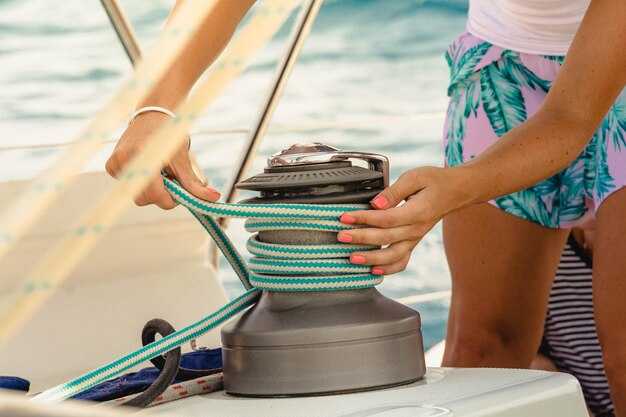
Use a real-time forecast feed and buoy data before you cast off to plot a route that keeps your watercraft safe and your summer sailing enjoyable.
First, check today’s wind, wave, and current updates for the area you’ll travel. If forecast shows light winds early, depart then to minimize risk. Overlay the data on a map, which helps you see relationships between wind, current, and depth, and steer toward the safest channels. Set your course to stay in water with stable depth and fewer shoals. Avoid downwind zones where chop worsens, and choose routes that feel smoother for you and your crew. Safer choices reduce risk and make the experience more rewarding. Consider the environmental impact of your route to preserve natural habitats for future trips.
Then examine buoy data along the path. Buoys report sea state, currents, water temperature, and any flagged hazards. If a buoy shows a stronger current or rising swell ahead, find an alternative course to stay clear of hazards. These adjustments pay off; theyre why you can stay safe and comfortable on longer trips.
dont rely on a single plan. If conditions shift, have an alternative harbor stop and a safe exit strategy. If you own your watercraft or you rent, this habit keeps you flexible. It matters whether you travel alone or with family, and it helps avoid stress in the moment. Your routing systems and offline maps are a good backup, so you wont get stuck without a plan. theyre robust tools that help you maintain safe operations today.
heres a quick checklist to implement today: first, ask these questions before departure; is weather stable for the planned run; are buoys showing a safe path; is there an alternative harbor? theyre designed to keep you safe and preserving the environment while enjoying your ride today. The resource also supports decisions about ownership vs rentals.
Draag zwemvesten correct en houd toezicht op elke passagier aan boord.
Draag een reddingsvest voor iedereen aan boord zijn telkens wanneer de boot vaart, en maak alle riemen vast voor u loswerpt.
Elk reddingsvest is een hulpmiddel, goedgekeurd door de USCG en op maat gemaakt voor de drager; zorg ervoor dat de pasvorm goed blijft door deze op zijn plaats te testen en de persoon aan de schouders op te tillen om er zeker van te zijn dat het vest niet omhoog kruipt. Hier is een snelle controle om de pasvorm te bevestigen: zorg ervoor dat de borstriem goed aansluit, de rits of gesp volledig sluit en de kraag comfortabel in de nek zit. Kies voor kinderen een model met een kruisband en een stevig harnas. Houd reddingsvesten dichtbij en gemakkelijk toegankelijk op afroep in de buurt van de stuurstand en langs de relingen, en zorg ervoor dat ze goed zijn gelabeld en in goede staat verkeren voor elke reis om de betrouwbaarheid te garanderen, zelfs in wisselende weersomstandigheden. Als een gesp een breuk of slijtage vertoont, vervang deze dan onmiddellijk.
Houd elke passagier nauwlettend in de gaten. Wijs een volwassene toe aan elk kind, onderhoud oogcontact en zorg dat iedereen zit of een stabiele positie inneemt wanneer het vaartuig beweegt. Tel het aantal personen bij vertrek, na elke koerswijziging en voordat u de kust nadert; rond ruw water, volgende etappe van de reis, herhaal de controles vaker. Waar het zicht beperkt is, wijs een wachter aan om te bevestigen dat de reddingsvesten vast blijven zitten en om ervoor te zorgen dat iedereen binnen veilige grenzen blijft. Houd ook een reserve droog reddingsvest toegankelijk voor snelle vervanging als een gesp breekt of een naad dun wordt.
Plan met het weer op zee in gedachten. Check NOAA-voorspellingen en zeeberichten voordat je vertrekt, vooral voor reizen naar Alaska of middagtochtjes wanneer schittering en wind snel veranderen. Vraag feedback van de bemanning en neem een kort veiligheidsplan op aan het begin van de reis. Zorg ervoor dat iedereen weet hoe ze om hulp kunnen vragen, hoe ze gevaar kunnen signaleren en waar ze de reddingsvesten kunnen vinden. Vergeet niet om indien mogelijk een overboordmanoeuvre te oefenen en ervoor te zorgen dat het lijntoestel klaar is voor berging. Dit helpt iedereen om voorbereid te blijven. Dat zou het vertrouwen op de volgende reis vergroten.
Door deze stappen te volgen, blijf je veiliger op het water, geniet je volledig van de tocht en word je beloond met geredde levens en zelfverzekerdere trips.
Bespaar brandstof en verleng het seizoen met eenvoudig onderhoud en slimme tankgewoonten
Begin met een grondige controle voor vertrek van het brandstofsysteem, de motor en de romp van het vaartuig, en houd vervolgens een eenvoudig brandstoflogboek bij als leidraad voor slimmer tanken en om elke tocht te verlengen voordat u weer vertrekt.
Een schoon onderwaterschip en een correct afgestelde schroef verminderen de weerstand en het brandstofverbruik. Een common Verbetering is het verwijderen van zeepokken, het inspecteren van lagers en het ervoor zorgen dat de schroef geen deuken heeft; dit kan het brandstofverbruik met 5–12% verminderen bij kruissnelheden voor veel vaartuigen. Dit benadrukt het belang van routinecontroles om de operaties soepel en voorspelbaar te laten verlopen.
Neem slimme tankgewoonten aan: gebruik gestabiliseerde brandstof, geef indien mogelijk de voorkeur aan ethanolvrije opties en beperk langdurige opslag in de tank. Als je een bemanning hebt, bespreek dan de rollen bij tankstops en vraag feedback van experts om de routine te verfijnen, waarbij je ervoor zorgt dat de stabilisator circuleert door de motor na het bijvullen een paar minuten te laten draaien.
Overweeg te upgraden naar een efficiëntere propeller, trimvlakken of een alternatieve aandrijvingsoptie, zoals een compacte elektromotor voor rustige dagen. Deze upgrades maken avonturen aangenamer voor de bemanning en verminderen het brandstofverbruik en de belasting van de hoofdmotor.
Tijdens tochten snel controles uitvoeren om de werking van meters en systemen te verifiëren: controleer temperatuur- en oliepeil, verifieer de nauwkeurigheid van de brandstofmeter en zoek naar afwijkingen. Bespreek vragen met mensen aan boord en vraag om input om een veilige werking en optimale efficiëntie rondom het vaartuig te garanderen.
Stel een praktisch schema op: voer maandelijks een grondige controle uit en laat een pre-season onderhoudsbeurt uitvoeren met filters, olie en een inspectie van het brandstofsysteem. Data tonen aan dat het brandstofverbruik met 5-15% kan dalen bij goed onderhoud, afhankelijk van de staat van de romp en de belading. Houd een eenvoudig logboek bij en update dit na elke trip om de voortgang te volgen over verschillende schepen en seizoenen.
Vermijd nood op zee door een brandstofreserve en een duidelijk plan aan te houden, plus een beknopte checklist. Behoud een alert bewustzijn rond de jachthaven en houd uw vaartuig gereed voor plezierige avonturen, terwijl u budget en tijd bewaart voor meer dagen op het water.
Wees voorbereid op noodsituaties: noodpakketten aan boord, oefeningen en een checklist voor snelle reactie
Hier is een praktische opstelling die voor de meeste budgetten werkt: bewaar een gekoelde, duidelijk gelabelde noodkit aan boord in een droge box in de buurt van de stuurstand, met een reeks veiligheidsitems die gemakkelijk te pakken en te vervangen zijn. Kies een container met een ingebouwde indicator, die je helpt om de voorraad bij te houden. De kit moet EHBO-benodigdheden, signaleringsmiddelen, een zaklamp, een reservebatterij voor de radio, een fluitje, een multitool, een blusdeken, waterdichte lucifers, water, niet-bederfelijke snacks, een zeil en een kleine deken bevatten.
Stappen om paraatheid te implementeren: 1) controleer en roteer items elke 90 dagen; 2) wijs voor elk seizoen een oefenleider aan; 3) hang de checklist voor snelle respons in de cabine; 4) test de radio, satelliettelefoon of mobiele dekking voor vertrek. Voeg een gelamineerde kaart toe met stapsgewijze acties voor veelvoorkomende situaties. Tijden waarop u vertrekt of tijdstippen van de dag waarop u van plan bent te varen, beïnvloeden wanneer u oefent. Een rotatiecadans is beter dan vertrouwen op geheugen.
Oefeningen houden vaardigheden scherp en verminderen paniek op het water. Als u nog nooit oefeningen hebt gedaan, begin dan met een oefening in twee stappen en bouw van daaruit verder. Doe oefeningen voor een drenkeling overboord, herstel na kapseizen, motorbrand en het verlaten van het schip. Doe oefeningen als het rustig weer is; in de zomer kunt u gezinsvriendelijke sessies plannen na een lichte maaltijd. Vergeet niet ervoor te zorgen dat alle deelnemers PFD's dragen en weten hoe ze om hulp moeten seinen. Ze moeten elke oefening binnen 2-5 minuten voltooien, afhankelijk van hun ervaring.
Snelle-reactiechecklist: redingsvesten aantrekken, dichtstbijzijnde veiligheidsuitgang identificeren, bemanningslijst en contactnummers lokaliseren, signaleringsapparatuur inzetten (fluit en noodsignaal indien toegestaan), wind, stroom en diepte controleren, motor starten indien veilig, verzamelen aan dek, een reddingsplan toewijzen en de tijd noteren. Bewaar de checklist op het dashboard en één in de cabine; bijwerken na elke oefening of echte gebeurtenis.
Zonder een duidelijk plan lopen situaties uit de hand, maar met een speciale veiligheidscursus zullen watersporters gebeurtenissen soepeler en met minder paniek afhandelen. Ze kunnen momenten vinden waarop ze het plan kunnen aanpassen afhankelijk van het weer. Deze aanpak houdt reisavonturen plezierig en vermindert het risico in veel situaties. Routines aan land, ondersteuning vanaf de kust en controles voorafgaand aan vertrek helpen om een kalme, relaxte mindset onder de bemanning te behouden.
Milieubewustzijn is belangrijk: bewaar water in herbruikbare flessen om uitdroging tegen te gaan; plan routes met aandacht voor milieuregels; bewaar een klein afvalzakje om de kustlijn te beschermen; kies waar mogelijk voor duurzame uitrusting en recycle verpakkingen. Een snelle check voor vertrek helpt onnodige tochten naar de kust te vermijden, waardoor tijd wordt bespaard en de impact op het milieu wordt verminderd, terwijl de ervaringen van watersporters behouden blijven.
Onthoud: deze aanpak ondersteunt zowel land- als zeegebonden tijd; je kunt de kit aanpassen voor een weekendtrip of een langere reis, inclusief een basis EHBO-kit en een signaleringsbaken voor offshore reizen. Ze helpen je om relaxed en voorbereid te blijven op wat er ook komt, en veranderen zomerse avonturen in plezierige herinneringen tijdens vele reizen.