


 Nederlands
  English (UK)
  Русский
  العربية
  日本語
日本語  한국어
한국어  Magyar
  Türkçe
  Español
  Čeština
  Svenska
  Português
  Ελληνικά
  Suomi
Suomi  Română
  Italiano
  Français
  Polski
  Українська
  Deutsch
  简体中文
简体中文  Slovenčina
  Boat Trailering Tips – Safe and Efficient Hauling for Your Boat">

Begin every trip with a pre-tow check: hitch alignment; wheel bearings; tire pressure; lighting works; load strapped tight; safety chains secured.
Ensure tongue weight around ten to fifteen percent of overall load; aim symmetrical load distribution; adjust ball height to keep nose slightly lower than stern; this good practice minimizes sway, improves stability on rough pavement; however, gusts require quick adaptation.
Maintain speed in the 50–60 mph range on highways when loaded; reduce to 30–40 mph on two-lane roads; heavy crosswinds have impact on stability; anticipate stopping distances; plan time margins accordingly; avoid sudden change in direction on hard pavement.
Equip with quality straps; include wheel chocks; safety chains cross beneath hitch onto mounting points; keep pliers in reach; carry a spare dowel pin, a small jack, a tire repair kit; after leaving, perform a quick post-tow check at the first stop to confirm tension.
Understanding dynamics behind load transfer comes from practical lines seen on the road; boatus highlights found patterns where crosswinds push the rig laterally; there, maintaining light throttle gradually while driving helps; ilearn requires taking notes mile after mile; taking notes after each run often makes crews more capable; time spent on pre-travel checks takes measurable improvement across miles; good habits emerge from these routines; boatus notes guidance from others with practical experience.
Boat Trailering Tips for Safe and Practical Hauling
Begin with a plan to share the load across the axles; tongue weight should be more than 7–15% of total rig mass; adjust to meet limit; then test trailer-light signals, brake response, coupler latch.
- Inspect tires: verify pressure per spec; look for wear, cracks, nails; repair before travel.
- Bearings: check hubs after a short spin; listen for roughness; repack if needed; heat test after initial miles.
- Brakes: verify brake controller function; test on a safe stretch; confirm activation with the tow vehicle.
- Hitch: coupler secure; safety chains crossed; pin installed; ensure clearance keeps wheels from rubbing.
- Lights: test taillights, brake lamps, turn indicators; replace any dead bulb; inspect wiring for chafing.
- Security: tie-downs tight; prevent movement; use rated straps; check that tied parts remain aligned as you travel.
- Weight distribution: heavier items near axles; keep center of gravity low; avoid tongue rising; use appropriate bunks for wide hull surfaces.
- Travel considerations: anticipate wind gusts; dropping speed in increments; keep wide following distance; many roads require caution at corners.
Mind bearings during journey; if wind or gusts rise, slow to cruising pace; arent much room to maneuver near other traffic; plan destination stops at store to recheck strapped gear; destination arrival should feel steady and predictable.
источник guidance: refer to the manufacturer’s manual to confirm model specifics.
Skipper note: going through bearings check before leaving helps going smoothly toward destination; getting underway with a plan limits risk; sharing this routine with crew improves result; this reduces possible drama.
Adventure mindset helps skippers keep focus on load, speed, destination; more margin equals less risk.
Comprehensive Tow Prep and Road Handling Plan
Verify hitch connection; confirm coupler size matches ball; tongue weight checked; safety chains secured; wheel chocks installed.
Inspect tires on wheels; inflate to manufacturer spec PSI; inspect tread depth; examine valve stems; replace worn components.
Load distribution plan: target 60/40 rear bias; heavy items stored in containers at floor level; keep center of gravity low to minimize pitching; season conditions require slower speeds; longer stopping distances; addition: measure with standard load lines. This something tangible becomes a guide aiding the next run.
Tow equipment setup: tied straps harness load to trailer rails; place containers in bed; inspect tie points; store loose items away from hitch; pipe installed toward center of trailer.
Brakes check: confirm calipers not seized; test brakes at low speed in a closed lot; thereafter maintain speeds within posted limits; increase following distance; this time ensure safety.
Maneuvering: practice in open space with light winds; rely on guide lines to judge clearance; coming wide turns; avoid slamming brakes; anticipate gusts.
Capacity awareness: verify trailer capacity rating equals or exceeds load; calculate weight by listing each part; do not exceed axle rating.
arrive at site early; crew aboard perform quick checks: lights; hitch; tires; confirm equipment installed; verify load orientation; note time.
Post-drive addition: ilearn from season experiences; define this improvement; slamming events noted; update guide; store spare parts.
Guide note: youre prepared to handle highway stretches with disciplined pace; give yourself time to adjust; adventure awaits.
GAWR and GVWR: Verify Boat, Trailer, and Tow Vehicle Capacity
Check GAWR; GVWR prior to departure; if loaded weight surpasses ratings, postpone departure; reduce payload; adjust gear distribution; seek upgrade options.
- Bring current data: placard values for GAWR per axle; GVWR; trailer GVWR; watercraft loaded weight; dry weight; fuel; cargo; tongue weight; coupling limits; front/rear GAWR; hitch rating; hardware specs such as u-bolts; dowels; leaf springs; wheel radius; tire size; ramp conditions; destination plan; spare parts; others; what to verify on site.
- Calculate total pulled weight: loaded watercraft weight plus trailer weight plus tongue weight; compare against tow vehicle GVWR; compare against front GAWR; compare against rear GAWR; ensure each figure stays below rating; target margin at least 10 percent; most scenarios work when weights stay well inside limits.
- Tongue weight planning: tongue weight should be 10–15 percent of loaded weight; adjust hitch height; adjust load distribution to keep front axle within limits; excessive front axle load increases steering effort; distribution sticks to the recommended range to prevent overheating or loss of control.
- Inspect hardware and frame: u-bolts tight; dowels seated; leaf springs intact; tires with proper tire tread; wheel bearings lubricated; rim radius compatible with tires; brakes if present operate; check for loose parts that could drop during a stop or on a freeway incline.
- Route and drive plan: maintain moderate speed on freeway; plan climbs to avoid heat buildup in the motor; use ramp with gradual grade; monitor engine temperature; stop whenever you notice overheating; allow cooling; recheck weight distribution after any change in load; avoid wide swings in throttle that stress the drive train; keep payload within limits to prevent fall in performance.
- Security and storage: destination parking with hitch locked; remove accessible components such as dowels; use locks on exposed hardware; theft risk reduces; store spare parts in a locked container; keep other items secure while on the road.
- Example check: loaded weight 4,000 lb watercraft; trailer 2,000 lb; tongue 540 lb; total 6,540 lb; tow vehicle GVWR 7,200; front GAWR 3,250; rear GAWR 3,000; trailer GVWR 6,800. If all values fit within ratings, proceed; otherwise drop some gear or swap to a higher capacity setup.
- Note about toboat trips: long runs demand extra planning; ensure weight distribution remains stable; recheck before climbing grades; adjust if needed to maintain control throughout the route.
Remember: current weights shift with fuel level; some gear swaps occur at the destination; remeasure weight before every leg; most trips succeed when the loaded rig stays inside established limits; after loading changes, verify tires stay within their rated load index; never ignore tire pressure, which affects radius contact patch and heat buildup; if you notice droppings in performance, stop to inspect tires, leaf springs, and U-bolts to prevent overheating or drooping leafs.
The Hitch: Ball Size, Mount, and Safety Chains
Recommendation: match hitch ball size to the trailer coupler. Use 1 7/8″ ball for light loads; 2″ ball for midrange payload; 2 5/16″ ball in heavy setups. The mount’s rated weight must meet or exceed total trailer mass; select a ball with equal or greater rating; verify label on gear components; this setup supports carrying payload securely.
Ball compatibility requires coupler size to align with ball diameter; a mismatch yields a loose connection; verify before highway runs. Mount specifics include a solid ball mount with a 1/2″ bolt shank; the head must be level with the receiver; use a locking nut; apply thread locker if required; torque target 150–250 ft-lbs; confirm shank diameter matches the mount. Braking performance improves when connection remains secured; weight balance reduces stress on the head.
Safety chains: attach to vehicle frame using rated hooks; cross beneath the hitch to form a cradle; keep slack short to prevent drag on pavement; check clearance on hills; highway stretches require attention to chain path; a friend can verify secure connection; keep a spare chain in the trunk; if needed, carry a pipe wrench in trunk to perform quick adjustments; vessel should also consider where to store gear.
ilearn from each run; start with a pre-check focused on ball size, mount security, chain connection. Another step includes confirming where spare components live; a spare safety chain sits in the trunk along with a pipe wrench; needed items include wheel chocks, gloves, a head lamp; vessel owner obtains better results after each session; remember to inspect looseness found before heading to highway.
Right-Lane Strategy: When to Use the Right Lane for Towing
Use the right lane when slower traffic blocks progress; pass with a clear signal, then return to the right after they pass; a friend in the passenger seat helps provide early warning of swaying through corners; keep them visible in mirrors.
Before movement, verify tire pressure; loading balance below the recommended total; this reduces stress, swaying during maneuvering.
Carry a kit including pliers; swab for quick hitch area cleanup; fuses for trailer lights, safer than neglecting electrical checks.
Most times, boatus guidance again informs safer decisions during busy times; maintain a good spacing rhythm; radius turns require precise handling through corners. This point is more than a rule; it saves fuel.
Experienced drivers report safer results with a well planned sequence; this yields confident performance, frequent trips, reduced stress; This result improves carry total on next leg.
Next, analyze fuel use; smoother passes cut consumption; times with poor visibility require slower speed, then reduce abrupt inputs.
Then, boatus guidance again emphasizes checks: swab moisture, fuses status, tire wear before loading.
Handling Sway: Techniques to Stabilize a Trailer in Wind and Turn
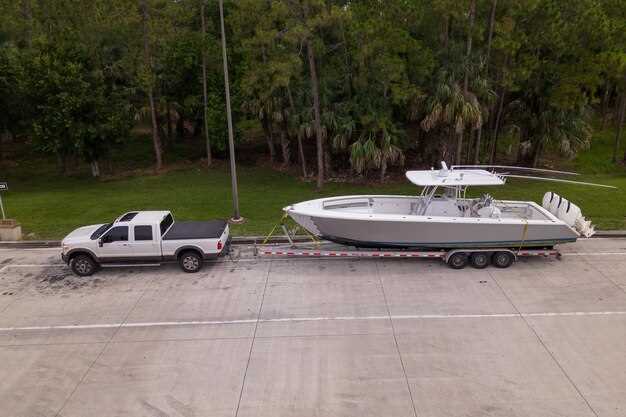
Provide a concrete plan: tongue weight 10–15% of total loaded mass; verify hitch height; ensure safety chains crossed, snug; inspect tires, set inflation to manufacturer PSI; in gusts over 20 mph crosswinds increase sway risk; reduce speed to 40–55 mph; allow larger following distance behind traffic. For fishing trips, load gear evenly, place heavier items toward the tongue to improve squat stability; include spares, tie-downs in the configuration. Do not panic; keep focus, breathe, maintain a steady grip. toboat viability rises with disciplined preparation; plan includes pre-checks, staged loading; clear communication with crew.
If sway starts, hold wheel firmly; avoid panic; ease off accelerator gradually; steer into gust to cancel drift; avoid abrupt moves; slamming brakes worsens swing; regain speed slowly after alignment.
Maintain secure radius during turns; keep room between vehicle and obstacles; time between throttle inputs matters; decouple weight transfer by delaying quick direction changes; heavy items forward reduce rear sag; load distribution includes front third of trailer floor; note sway amplitude grows with length of trailer payload; keep distribution within recommended range; this keeps sway in check more reliably.
During ramp maneuvers, use a helper with a spotter; pre-plan backings; if sway rises, stop, recheck load, then resume once stabilized. This approach becomes second nature after years of practice; lets you handle crosswinds without fear; preparation matters most at each loading phase.
| Scenario | Action | Speed (mph) |
|---|---|---|
| Wind gusts strong | Ease off accelerator gradually; hold wheel; steer slightly into gust; avoid slamming brakes | 40–50 |
| Crosswind turn | Turn slowly; widen radius; use engine braking | 40–60 |
| Heavier tongue weight | Shift load forward; secure gear; check tire pressure | – |
Backing It Up: Step-by-Step for Aligning Boat and Trailer
Step 1: First, prepare base setup: hitch level; safety chains secured; plugs installed, trailer-light powered; brake-away chain ready; rollers aligned; items stowed; spares included, others stored.
Step 2: Back slowly; helper watches from beach; align tongue above ball; keep the tongue very straight in line with wheelbase; use sidewall reference to confirm straight run; this setup goes easy with practice.
Step 3: Lower jack until tongue rests onto hitch; latch engages; cross chains under tongue; plugs connected; brake lights tested; signals operate; ensure circuit integrity.
Step 4: Check clearance across rollers; many indicators confirm alignment; entire length stays straight; inspect welds for integrity; chain slack within proper range; trailer-light operation confirmed.
Step 5: Tighten latch; verify pin installed; wind chains into a neat cross under tongue; fill gaps with shims if needed; keep tow line straight using wheel guides.
Step 6: Plan long trips: inflate tires to recommended PSI; inspect sidewall for cuts; confirm plugs seated; trailer-light stays illuminated; brake activation tested during movement; welds checked for cracks.