


 Nederlands
  English (UK)
  Русский
  العربية
  日本語
日本語  한국어
한국어  Magyar
  Türkçe
  Español
  Čeština
  Svenska
  Português
  Ελληνικά
  Suomi
Suomi  Română
  Italiano
  Français
  Polski
  Українська
  Deutsch
  简体中文
简体中文  Slovenčina
  Boat Insurance – The Complete Guide to Coverage, Quotes, and Savings">

Start with a concrete move: lock in hull and liability coverage that matches your boat’s value and risk. Get a policy with liability limits of $500,000 and hull coverage up to the current market value, plus medical payments up to $5,000 per person. Look for quotes from at least three providers within a weekend, then compare deductibles of $500, $1,000, and higher to see which option lowers your annual cost down while keeping you protected. If you are looking to save money, work with an indie broker; simon at the desk can explain terms in clear, explicit language so you have an anchor for the season and you can ride the waves into spring.
Beyond hull and liability, build a base of coverages that crews and guests rely on. $5,000 per person medical payments help when injuries occur on deck; uninsured/underinsured boater protection up to $300,000 covers other vessels; on-water towing up to $150 per incident keeps you cruising when you need a tow; salvage and wreck removal up to the insured value protects you from expensive recoveries. If you trailer your boat, confirm trailer coverage and storage restrictions for seasonal use. When your guests come aboard, check liability limits to ensure a guest injury is covered.
To trim costs, compare quotes annually and use smart choices that match your pace of boating. Looking to save money, raise the deductible to $1,000 or more to cut the premium, but keep a reserve for a claim; bundle with a homeowners or auto policy if your insurer offers a multi-policy discount, which can reduce costs by 5–15% depending on your history. For young boaters or those with limited claims, start with modest coverage and adjust as your cruising grows; when you are looking at policy picks that fit your cruising style, do it in an hour after you gather data so you don’t drown in details. If your trips involve multiple crews, confirm the coverage applies to all crews aboard during each outing.
Look for credits that bridge coverage and budget: safety gear like life jackets, EPIRB, AIS, and a monitored security device on the boat or dock can reduce your rate. These credits help escape costly gaps in coverage. Insurers often offer credits for anti-theft devices, mooring location, and dry-storage arrangements. If your boat stays in a marina during peak season, inform the insurer to avoid paying for off-season coverage you don’t use. Consider annual open-water runs and confirm the policy language around trailers and storage so you know what is covered when the boat sits on land. Small details can save money across a year, while keeping you protected if a storm hits.
Before you buy, read the policy for exclusions and definitions; confirm if your use includes racing or commercial charters, and how trailers, storage, and transit are covered. Compile your boat’s history: age, length, value, typical cruising grounds, hours on the gauge, and the crews aboard; share this data to receive precise quotes rather than generic estimates. Collect and compare picks from three to five providers, note response times, and review them in an hour to speed renewal next year.
What Does Boat Insurance Cover? Hull, Liability, and Equipment
Hull coverage should match your boat’s replacement value, and liability limits should start around $300,000 with an option to rise to $500,000 or $1 million for busy waterways. Pair this with equipment protection for gear and upgrades, and you have a solid, lasting baseline that covers a lifetime of adventures.
Hull coverage pays for damage to the hull from hits, collisions, grounding, fire, and weather, and it covers salvage and tow costs when your boat is disabled. Keep the hull limit aligned with recent appraisals and upgrades so you don’t face gaps after a claim. Typical deductibles run from $250 to $1,000 per incident, and a higher deductible can lower annual premiums, bringing down your out-of-pocket costs.
Liability protects others from bodily injury and property damage caused by your boat. A common minimum is $300,000 per incident, but consider $500,000 or $1 million if you frequently transport guests or operate in crowded harbors. This coverage also handles legal defense costs. If someone like bobby or rupert is aboard, liability pays up to your limit for injuries and related expenses. For added perspective, buffett and rogers often highlight higher liability thresholds when passengers are part of the voyage, while mayer can offer options to tailor limits to your usage.
Equipment coverage protects electronics, trolling motors, depth finders, radar, life jackets, anchors, spare parts, sails, and other gear you list. List items with their values so the insurer can replace them after a loss; this reduces downtime and helps fill the repair bill quickly. For high-value setups, specify the total value and maintain updates after upgrades to avoid gaps. Include a robust match across your deck gear and onboard power systems to ensure you’re not left stranded, and consider adding gear like a spare battery or mountings that keep things ready to roll.
Add uninsured/underinsured boater, medical payments, towing, environmental cleanup, and rental reimbursement. If you use a marina near clearwater or travel along the tide, ensure you have on-water towing and coverage for salvage. A well-chosen endorsement can cover a cast of gear–from mellow fishing setups to party cruisers–and keep your crew comfortable, perhaps with a colada in hand after a long afternoon on deck. A Weezer playlist in the background can keep the mood light while you review details with your agent, and a quick commentary from the insurer helps you understand what’s covered if something goes wrong.
To save, compare quotes from at least three insurers and ask about multi-policy discounts. Raising a deductible by $250–$500 can lower annual costs by a meaningful margin, and keeping your boat’s value up to date minimizes surprises after a claim. Maintain receipts and photos so a claim goes smoothly and you don’t lose time in an afternoon; this keeps lonely worries away and puts you back on the water faster. If something goes wrong, a solid plan reduces anxiety, and even a short commentary from the insurer can help you navigate the process and get you back on track with your plans.
With hull, liability, and equipment coverage aligned to your boat and usage, you reduce risk during hits or rough waters and stay on track on every voyage. For specifics about your vessel, talk with an agent who can tailor limits and endorsements to your needs; the right mix delivers confidence and steady protection through tide and voyage, so you’re back on the water quickly.
How to Get and Compare Boat Insurance Quotes: Steps and Tips
Get quotes from at least three insurers online and by phone, then compare the same coverage terms side by side to see true cost differences.
Steps to Gather Quotes
Open these steps and create a checklist that captures these details: boat type, length, hull material, year built, value, engine hours, and cruising zones. These inputs keep every quote comparable and reduce back-and-forth later. Think about how you use the boat–cruising, day trips, canal runs, or weekend adventures–because each use case affects premium and coverage needs. Have your personal information ready for the named operator and any co-owners, since that data shapes liability exposure. Once you gather these basics, you can fill out each online form consistently and avoid surprises at binding.
Prepare these documents: boat registration, hull identification number (HIN), recent survey (if required), safety gear inventory, and any prior claim history. Some insurers require a marine survey for vessels above a certain value; if so, schedule it early to prevent delays. For older boats, anticipate a survey cost and factor it into your plan. Use a simple system to track quotes: create a penta-coverage comparison with blocks for price, deductible options, coverage limits, and exclusions. This lets you train your eye to spot trade-offs. If you want direct help, charles can guide you on the open phone line and luke can walk you through the claims process; their commentary helps you compare clearly.
How to Compare and Decide
When you receive quotes, compare coverage in parallel: hull, liability, medical payments, P&I, salvage, towing, and on-water gear. Check deductibles–hull deductibles commonly range from 0 to 2,500 and can impact mid-tempo changes in your annual premium; liability limits should reflect your risk on the water. Look for added value like roadside assistance for smaller craft, coverage beyond docks, and gear in canal canoes or floating paraphernalia. Read the exclusions carefully: racing, chartering, unmanned operations, and certain weather events can void parts of a policy. Confirm policy territory and whether off-water storage affects pricing, and note any required surveys or inspections before binding the policy open.
Open a side-by-side table and fill it with plan names, total annual premium, deductible options, hull value insured, liability limits, and any included add-ons. This structured review helps you think through where coverage is strongest and where you can save. If you are unsure about a term, request a brief commentary from the agent, and ask for real-world examples of claims similar to your canal or coastal cruising routes. For practical decisions, consider the impact of the tide on seasonality; a higher deductible can lower the premium during peak cruising months, while a lower deductible increases protection during dusk or night trips on busy waterways.
Finally, decide based on clear criteria: price with consistent coverage, response times for claims, and support from your broker. If you carry multiple policies, ask about multi-policy discounts; if you install safety devices, check for device-specific rebates. In the end, the aim is a balanced package that covers your boat, your party, and your crew without leaving room for gaps. This approach keeps you vocal about what you need and helps you build a trusted, ongoing relationship with your insurer.
Discounts, Bundles, and Savings Opportunities
Bundle your boat policy with homeowners or auto to unlock savings immediately. Typical multi-policy discounts range from 10% to 25%, with an extra 5%–12% if you attach home and auto together. For a $350 annual boat premium, that can shave $35–$84 off the year one bill. If youre shopping, ask for a bundled quote that layers prevention credits for safety gear and the hour you spend training on the water, before you head out and keep your mood steady as you meet the horizon.
Smart Bundling Options
Shared deductibles across boat and home can reduce the amount you pay after a claim. Ask if you can align a single deductible for both policies and whether the reduction covers theft, weather, and liability. Indie carriers often offer flexible bundles for personal boats, while engine terms may vary with a volvo engine setup. If rupert at the marina helps you compare options, document the guest count, as a rider for guest liability protects you when guests arrive aboard. Review your claim history to spot patterns and leverage that history in negotiations; this can save you on renewal.
Safety Upgrades and Prevention Credits
Investing in prevention pays off with credits tied to safety gear, monitoring devices, and training. Expect 5%–15% savings for each device, up to 15% total, plus ongoing reductions if you complete official boater courses. These precautions extend coverage across the stretches of the season, from daylight to after dark, so youre protected as the horizon widens. Keep your policy aligned with the actual risk: add guest-liability riders when you host friends for day trips, and use the day-to-day suggestions from your insurer to tighten limits. The atmosphere on the water shifts with the tempo of your day, whether the Beatles tune or the wailers rise from the dock–thats why maintaining a calm budget matters. You can reduce overall costs by showing proactive prevention and keeping your history clean; that goes a long way when a claim arises, and it helps maintain a calm mood on the boat, even during stretches of rough water like aqueducts near the harbor.
Understanding Deductibles, Coverage Limits, and Premiums
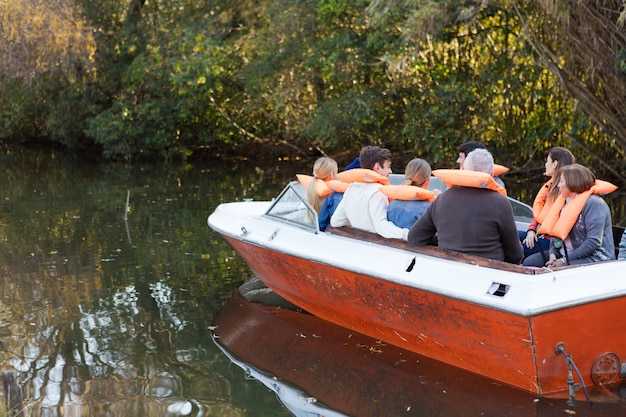
Set your deductible at $1,000 for most boats to balance premium savings with out-of-pocket risk. If you’re a starter, begin with $500 for the first season to ease monthly costs, then move to $1,000 as you gain confidence. This approach keeps your cruising adventures affordable while preserving your mood for safe, unforgettable days on the water.
Deductibles drive premium changes: raising the deductible by $500 typically reduces the annual premium by about 8–15%, depending on boat value and risk. A $1,000 deductible on a mid-size boat often yields 6–12% savings versus $500. For a $40,000 hull, that can mean roughly $40–$120 less per year; for a $150,000 cruiser, $150–$600. Think of it as a mid-tempo adjustment in your protection tempo, balancing your appreciation for cost with protection.
Coverage limits: Start with liability of at least $300,000 per incident and medical payments if guests ride along. For higher-value boats or frequent overnight cruising, raise to $500,000 or more. Ensure hull is insured for agreed value to cover full replacement rather than depreciation; add equipment and electronics coverage for fishfinders, radios, and anchors. This approach creates an iconic policy that can feel as curated as a musician’s set, with nods to jovi, kygo, and country-inspired vibes.
Storage and activity level influence cost: storing in a covered marina, adding a security alarm, and completing a boating safety course can noticeably lower premiums. This approach serves smaller boats and larger ones alike, helping you keep affordable protection while strengthening the policy.
Choosing and personalizing: use picks that reflect how you use the boat. They tailor your coverage and simplify choosing options. Start with deductible $1,000, liability $300,000–$500,000, hull at agreed value, and add towing, salvage, and equipment riders. Personalizing your policy increases appreciation for protection and makes the coverage feel like a music playlist–Kygo’s mid-tempo energy, Jovi-inspired iconic country vibes–into which you drop adventure, mood, and gear.
Filing a Claim: Step-by-Step Process and Timeline
File your claim within 24 hours of the incident to preserve key evidence and set clear expectations with your insurer. Keep a stone-cold log of actions to reinforce your experience and stay organized through the process. Keep an eagle-eye view of the scene–like eagles circling the horizon–to ensure you capture every detail.
This guide helps you navigate from immediate actions on the water to final payout, with a balanced file that enhances clarity and speeds resolution.
Immediate actions
- Contact your insurer through the claims portal or phone line, and log the claim number; be vocal and concise when describing what happened to ensure the right information reaches the adjuster.
- Secure the vessel, prevent further damage, and photograph the scene from multiple angles–waterways, night lights, and horizon visible if possible.
- Document essential facts: date and time (note if it was night), location, vessel name and registration, crew or passenger names, and any witnesses.
- Collect receipts for towing, salvage, temporary repairs, and any on-site services; keep stuff organized in blocks (policy details, evidence, estimates).
What to gather and file
- Policy number, insurer contact, coverage type (hull, liability, salvage), and deductible.
- Clear incident narrative: a concise, chronological summary with the exact order of events; if the boat is sunk, note salvage status and next steps.
- Evidence package: timestamped photos and video, maintenance and repair logs, repair estimates, salvage invoices, and any police or coast guard reports.
- Third-party documentation: quotes from contractors, marina records, and witness statements; choose the best combination to support your claim.
- Notes on boat condition before the incident to show baseline; include horizon and conditions of waterways at the time.
Timeline: what to expect
- 0–24 hours: claim is registered and acknowledged; you receive a claim number and a primary contact; you could be asked to provide a brief to help the adjuster cast a clear picture.
- 2–5 days: a field adjuster or marine surveyor is assigned; you’ll be asked for documents and estimates, and you should respond promptly to keep pace.
- 5–14 days: on-site inspection or survey, particularly if the vessel is sunk or there are hull concerns; the adjuster will review coverage for salvage and repairs.
- 14–28 days: coverage determination, repair planning, and preliminary payout estimates; if waterway conditions or night incidents require extra checks, expect a short extension.
- 4–6 weeks: final payout issued after any required repairs or additional documentation; if delays arise, your insurer will outline next steps and suggestions for speeding up the process.