


 Nederlands
  English (UK)
  Русский
  العربية
  日本語
日本語  한국어
한국어  Magyar
  Türkçe
  Español
  Čeština
  Svenska
  Português
  Ελληνικά
  Suomi
Suomi  Română
  Italiano
  Français
  Polski
  Українська
  Deutsch
  简体中文
简体中文  Slovenčina
 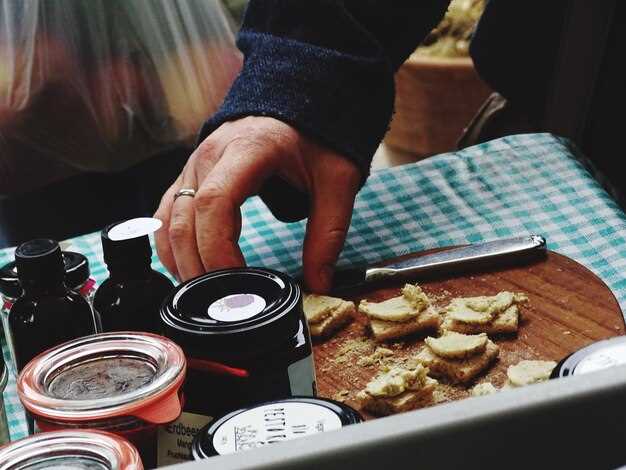 Boot koken is anders – Essentiële tips aan boord voor veilige, heerlijke maaltijden">

Boot koken is niet hetzelfde als op het land. Op een zeilboot, jacht of Kroatië charter, staat u tegenover three kernbeperkingen: beperkte ruimte, beperkte stroom en de noodzaak om gevaar te voorkomen fire terwijl u kookt. Onze deskundige begeleiding brengt practical, veldgeteste tactieken zodat maaltijden heerlijk en veilig blijven, met een koelkast die echt goed koel houdt en een compacte kombuis die met je meewerkt, niet tegen je.
Plan ahead with a dc-powered setup, plan voor niet-bederfelijk goods, verse groenten en mager vlees of vis. Leer koken, grillen en cook in een krappe ruimte, laat ruimte over voor een wine and a sprite voor de bemanning, en bewaar items in veilige lockers that are gefacettoord om vastklemmen te voorkomen. Deze aanpak maakt reizen through de zee gladder en verandert uitdagende dagen in working maaltijden die aanvoelen better en leuker.
Onze aan boord kookset brengt de essentials to your deck: een stevige grill, an opener voor gemakkelijke toegang, verschillende goods, en ruimtebesparend lockers om op te slaan vegetables, meats, en een snelle salad. Het is gebouwd voor family maaltijden, chartering trips, en jachten bemanningen die willen blijven safer en working in harmonie. Spaghetti, vis, en vlees afwassen een fluitje van een cent wanneer je vooruit plant en de room for your favorite ingrediënten.
Onderneem actie nu en bekijk onze posts voor deskundig advies kunt u bring aboard. Dit is de essential way to stay klaar, work met vertrouwen, en maak elke reis van Kroatië naar verre havens een culinaire overwinning met minder stress en meer smaak.
Boot Koken Is Anders: Tips aan Boord voor Veilige, Heerlijke Maaltijden; 10 Dingen die je Moet Weten over Koken op een Zeilboot
-
Voor vertrek, gebruik een praktische pre-departure checklist om voorzieningen voor iedereen aan boord te plannen, de verwachtingen van de kapitein te bevestigen en af te stemmen over de aankomende maaltijden tijdens de reis, terwijl u geldende regelgeving noteert.
-
Veilig en geventileerde keukenopstelling: gereedschap en apparatuur opslaan in vaste rekken, losse voorwerpen minimaliseren, zorgen voor een goede ventilatie tijdens het koken en afvalafvoer tijdig beheren om te voldoen aan de regelgeving.
-
Energiebewuste kookstrategieën: combineer een compacte grill of kookplaat met efficiënt kookgerei, bewaar middelen voor de mensen aan boord en houd een simpel plan om maaltijden te bereiden wanneer er weinig stroom is, klaar voor gasten.
-
Voedselveiligheid en -opslag: plan voor groenten, appels, vlees en andere voorzieningen; gebruik compacte koelboxen of ingepakte ijs waar mogelijk, bewaak waterbronnen en hanteer voedsel schoon om kruisbesmetting met bestek en oppervlakken te vermijden; indien toegestaan, kan een lichte wijncombinatie maaltijden voor gasten verbeteren.
-
Kookmethoden geschikt voor zeilboten: omarm een combinatie van sudderen, stomen en recepten in een pan; houd ingrediënten zoals noedels en soep eenvoudig, praktisch en betrouwbaar terwijl je over de zee vaart met een kleine kombuis.
-
Menuplanning en selectie: ontwerp een repertoire dat geschikt is voor de bemanning met veelzijdige producten, noteer restjes van de volgende dag en houd gasten tevreden met smakelijke, gebalanceerde maaltijden die passen binnen de strategie van de kapitein en de middelen van de boot.
-
Veiligheid rondom vuur en vuurplaatsuitrusting: zet de grill, fornuizen en pannen veilig vast, gebruik antislipmatten, zorg voor goede ventilatie, toegang tot blusmiddelen en vermijd koken in de buurt van lijnen of elektronica tijdens het zeilen; ze zullen het waarderen om veilige opstellingen te hebben tijdens ruwe omstandigheden.
-
Regelgeving, vergunningen en afvalbeheer: ken de lokale regels in havens, hanteer een strikt afvalbeheerplan en dump niets overboord; draag een vergunning met u mee indien vereist voor bepaalde fornuizen of brandstoffen, en plan om afval aan boord verantwoordelijk te beheren.
-
Ervaring en leren op zeilboten: verfijn in de loop der jaren strategieën door te observeren wat het beste werkt voor uw bemanning en omstandigheden; in plaatsen als de Bahama's, gebruik aan boord voorbeelden van andere zeilvrienden en pas u aan de voorkeuren van uw kapitein aan.
-
Practical takeaways and resources: maintain a central checklist, store a core selection of recipes and provisions, and build a simple water- and power-conscious routine that scales from small meals to larger gatherings with guests or crew.
Key Onboard Cooking Considerations for Sailors
Onboard cooking demands different considerations than land kitchens. Plan ahead and stay equipped with essential gear to cook safely and deliciously. Stock a variety of staples so you can make noodles, spaghetti, soup, salads, or snacks without delay. A well-organized galley helps you adjust along with weather and motion and keeps morale high among friends aboard.
Layout and equipment matter: a counter that fits the space, a cooker with a small but sturdy setup, and a ventilated area to manage steam. Use a beveled knife that stays sharp, along with smaller utensils and canisters, to keep tools secure during heavy seas. Ensure you are equipped with essential cookware like pots and pans, a grill or griddle, and a robust kettle for coffee in the morning.
Storage and safety: maintain ventilated storage for fuels and food, keep water reserves and amount of fuel within limits, and secure canisters to avoid motion. Use smaller containers and be mindful of weight and balance; such planning reduces risk during rough seas. Rotate perishables and freeze items when possible to extend shelf life.
Food safety and preparation: follow guidelines for cleaning, freezing, and cooking. Boiling water to rehydrate or cook noodles, mushrooms, or canned soups should be done with care. Always monitor heat and avoid boiling over; this is especially important when the boat rocks, because motion can splatter and spill. Keep water and soups in sealed containers.
Meal planning and variety: when you are in croatia or visiting coastal towns, use market finds and local ingredients to diversify meals. You can stock fresh vegetables when you reach safe ports, but also rely on dried goods for times when markets are far away. A mix of noodles, pasta, salads, and canned snacks provides variety along a voyage. Plan ahead to have enough supplies for several days, including coffee, beer, and other beverages to keep morale high. Such planning reduces improvisation under pressure and helps you mean fewer last-minute runs to the market.
Cooking methods for different conditions: on calm mornings you can prepare grilled dishes or sauté with a small grill or pan, keep the space well ventilated, and use a counter setup that stays stable. A simple grilled dish or a soup can be made with minimal fuel and time; an adequate amount of fuel keeps you cooking through the voyage. When weather worsens, switch to boiled noodles, canned soups, or salads that require less heat and less motion. This approach is best for small galleys.
Pre-departure planning and teamwork: pre-departure checks and guidelines help you be prepared ahead of time. Keep a checklist of utensils, cans, canisters, and essential spices. Having plenty of supplies avoids last-minute scrambles. Use simple counter-top setups for coffee and a strong kettle to support a morning routine. A well-stocked galley keeps room for guests and simplifies meals.
Safety mindset: never leave a burner unattended, keep combustibles away from heat, and secure items to the bulkhead to prevent them from becoming projectiles in heavy motion. If you need to save space, you can stack smaller containers and use beveled edges on jars to avoid cuts. Keep the same routine for cleaning, and immediately address any spill or leak. The crew will appreciate a shipshape kitchen that can stand up to rough seas and long passages.
Creativity and companionship: cooking onboard can be fun and social. Involve friends, share wins and funny mishaps, and plan simple, easily prepared meals that everyone can help with. A stock of essential items like coffee, water, and snacks ensures you can feed guests at a moment’s notice. Clear guidelines, plenty of organization, and a sense of humor help you manage the galley’s space, even when you are tired after long watches. Adding variety to the menu keeps things interesting over multiple legs and motion days. If youre new to long voyages, involve friends to share tasks.
Stability-First Kitchen Setup
Stability on board starts with a deliberate layout that keeps motion controlled and balance steady. Move the heaviest cookware and fuel to the lowest built lockers near the centerline, and use non-slip mats to reduce movement. Planning ahead helps you keep the most used items within reach and forget risky reaches during rough seas. This approach reflects the best practices for boating and works whether you’re underway or docked.
Storage and organization support safety and sustainability. Store clothing, towels, and tools in dedicated lockers, and keep fuel and pantry items in sealed containers to prevent leaks. Create a simple disposal plan and use a small trash bin that can seal; this prevents odors and avoids clutter underway. Follow guidelines to prevent injury and maintain a safe working area for many crew members, frequently checked by your friends and family, including grenada and croatian cooks to expand your ideas. This approach yields huge safety gains. An expert approach from real boaters adds practical guidance.
Cooking on a boat requires equipment that moves with the vessel. Secure all cookware with brackets and use a dedicated grill area that remains level during motion. Simple, great recipes like stews, beans, and soups make it easier to use one-pot techniques. Keep butter within reach and avoid melting near heat sources that shift. If you want to explore international flavors, croatian foods or grenada-inspired dishes can be prepared using a compact skillet and a reliable source of heat. A small bottle of wine or coke can accompany meals, but always sip with care and keep cups secure to prevent spills while boating.
In the galley, safety is built into every step. Begin with a plan that ahead of time assigns a safe path through the cabin, ensuring you avoid heavy lifting during motion. permit proper ventilation around heaters and keep clothing and towels away from flames. Secure all cookware with brackets or velcro straps, and place the biggest items near the center where they won’t shift. Use disposal containers that seal to prevent odors and spills. When you cook, consult sources from pelagia, grenada, and croatian cuisines to expand your ideas, but keep the workflow simple and sustainable to prevent clutter and injury. Learn from their setups on other boats to strengthen your own.
During underway conditions, move slowly, keep your balance, and plan where to place eaten items and disposal scraps. itll require discipline, but itll keep your life onboard safer and your guests happier. Use cookware built for marine use and secure all items during motion. Maintain a routine that you and your crew can repeat, and visit links to guidelines often to stay up to date. If the motion rises, take a break and secure the galley to prevent spills.
Secure Fuel, Lids, and Fire Safety
On boats, secure fuel handling sets the tone for safe, enjoyable cooking. Move fuel containers only when the stove is off and the area is ventilated; never leave them near open flames or hot surfaces. When needing to cook, keep the supply and resources stored in locked, ventilated cabinets away from the galley work zone. Mind your steps and anchor your routine to simple safety checks, especially during rough seas. Garbage should be in a closed bin, kept away from heat, and disposed of at the earliest opportunity; maintaining order in the galley early in the voyage helps everyone stay prepared, even when you’re trying something new in the morning.
Securing lids and managing heat: keep lids on pots and pans to prevent boil-overs and flare-ups. This practice helps control heat and protects crew in the galley. itll improve safety when the vessel rolls. Place small boards under heavy pots to stabilize them on a moving deck. In any weather, keep the galley well-ventilated to limit fumes and maintain a clear path to exits. This approach is helpful for everyone on board, and you can recommend it to new crews.
Fire safety actions: have a working fire extinguisher within reach and a metal lid to smother small fires. If flames appear, turn off the stove immediately, cover the pan with a lid if safe, and press the extinguisher’s lever in a controlled manner. Back away and alert everyone. This helps prevent spread of fire and protects everyone on board. If it were necessary during heavy seas, rely on the crew and follow the drill without hesitation. Having a practiced plan reduces stress and thinking under pressure.
Fuel and waste management: store fuel in well-ventilated lockers away from the watermaker and heat sources. Freeze any perishable items and keep them in a dedicated cooler, away from the stove. Garbage should be kept in closed, ventilated bins and removed frequently to prevent odor buildup. Balance cooking with the resources you have on board; resist having too many dishes at once. Have a small bottle of water on hand, plus snacks and basic tools, so you can stay nourished without needing to rely on shore restaurants. Where possible, keep things well organized. This will require careful planning and a calm mindset. These practices stay practical when space is limited and you’re cooking on stoves and boards.
Recipes and culture: wear clothing that minimizes loose fabric near flames. Where space is tight, follow simple recipes like bake, spaghetti, pasta, and meat dishes. This small culinary approach keeps meals enjoyable and manageable even when limited by conditions. It takes practice and teamwork; everyone helps keep the galley working. sprite and water are fine hydration options, but bottles should be secured and kept away from heat. carolyn learned from limited restaurants that a small setup can be great. They cook using foods that travel well, build basic recipes, and enjoy meals with confidence. If something seems off during service, think through the plan, stay calm, and press ahead with safe steps. This approach makes morning meals enjoyable for everyone.
Power Management for the Galley
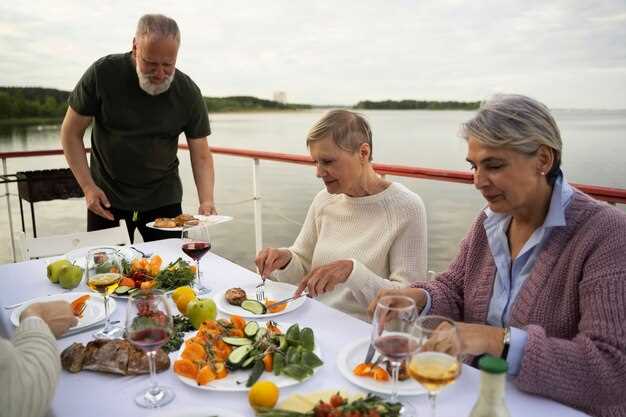
A helpful power-management mindset begins pre-departure. On every yacht, a practical strategy keeps the galley flexible, safe, and delicious. Prepare in advance for days at sea: map shore-power availability, charge batteries, and define guidelines for cooking, refrigeration, and garbage handling. By the time you cast off, your galley is equipped with the essentials–utensils, tumblers, a thermos, a bottle for drinks, and proper storage for foods and produce.
Power sources and load planning keep the galley reliable. Whether you are docked at a quiet marina or cruising open waters, shore power when available, plus a careful battery strategy, minimizes generator runs. In yachts, this becomes a crucial discipline; plan energy-intensive tasks–baking, boiling, or steaming–into blocks, approximately every two hours, then advance the next steps so you are not starting multiple appliances at once. By clustering tasks, you reduce peak loads and give yourself a comfortable margin to store cold items properly and maintain safe temperatures for foods and produce.
Cook smarter, not harder. A strategy of batch cooking saves energy and time. When you bake or simmer, plan for multiple meals–lunch, dinner, snacks–so you can simply reheat the same batch rather than starting from scratch. Keep a pot of soup warm in a thermos or at low heat until service, and remember to open only when needed to minimize temperature swings. For garlic or herbs, a garlic press saves energy and reduces prep time. For vegetarian nights or fishing trips, mushrooms and other produce can be sautéed once and stored safely for later use. If guests finish foods, note what was eaten to adjust portions for the next days.
Storage and safety matter as much as the cooking itself. Use a sensible bottom-to-top system in the refrigeration area: top shelves for ready-to-eat items, bottom for mushrooms and heavy containers. Keep plastic containers labeled with dates to minimize food waste, and a clear strategy for garbage disposal to avoid smells and pests on long voyages. Always bring and use a set of tumblers, bottles, and utensils that are easy to clean; washing dishes on a rolling runner or in a dedicated sink helps keep the galley tidy and efficient. Remember to pre-portion foods and store leftovers in the freezer if possible, which reduces waste and keeps meals safe for days.
Before departure, run through a short checklist: pre-departure guidelines, verify that essential equipment is equipped, stock stores of staples, including coffee or tea in a thermos, and select favorite items. Choose a durable, energy-efficient selection of cookware that can be stacked and stored compactly. Learn from issues on past trips and apply what you learned to avoid repeating mistakes. Keep a spare bottle, spare tumbler, and a small press for sealing bags. Where possible, use reusable containers to reduce garbage and plastic usage.
Operational guidelines for daily use: run only needed appliances for the minimum time, set timers, and use a utensil to stir without lifting lids, reducing heat loss. Push the limits of the power management strategy with a few smart habits you can rely on when docking or anchoring. Keep a small plan that remembers your favorite meals–protein-heavy lunches or simple mushroom sauces–and adapt the menu to available stores, whether you buy produce at markets or catch fresh fish while on fishing trips. When you open a bottle or pour from a thermos, do not leave caps loose; secure lids to avoid spill and waste, which will save water, energy, and time.
Storage, Cooling, and Perishable Planning
On sailboats aboard, storage discipline is essential for life afloat and full-time cooking. The challenges of small galley space require a clear plan: store non-perishable items in dry lockers, stored away from heat, and keep dried beans, rice, and pasta in airtight containers. Vegetables and other perishables should be kept in cooler zones where possible to extend shelf life. Sometimes the safest choice is to cook in cycles and rotate stock, so something fresh remains for the crew. When the boat is heeled, stored items must be secured. Remember that life at sea means many constraints, so everyone contributes to keeping the galley safe and organized.
When the boat heels, stowage rules change and stored items must stay secure. For going underway, keep the most used items on the two-burner stoves and ensure raw proteins stay separate from prepared meals to stay safer. Use a press-seal bag or proper containers to portion soups and sauces; such prep saves time during busy passages, and everyone benefits from prepared options. A thermos can keep drinks warm or cold, and bottled drinks should be stored in a cooler or dedicated locker. In life aboard, use such systems to minimize waste and keep the galley organized. Keep pans within reach on the stove for quick prep during long watches.
Before departure, pre-departure planning helps avoid the bottom of the pantry becoming a scramble. Map out a three-to-five-day prep plan, then extend it for the first passage and for the rest of the trip. When weather changes, you may switch to more canned or dried items; plan for three meals plus lunch options like sandwiches. The fridge and freezer should be used for perishables, while the dry lockers handle the rest. For Mexico-bound trips, keep a ready supply of bottled water and a few Coke cans for morale during long watches. The captain’s example shows how such routines stay safe and efficient, and these insights can be reinforced by links to storage guides and prep lists. Early in the voyage, keep the plan flexible to adapt to changing conditions.
During the voyage, maintain a simple, repeatable system: rotate stored items so that the oldest are used first, and keep a running list of what’s in the fridge, freezer, and lockers. Such insights reduce challenges, keep life aboard safer, and preserve good food for lunch and dinner. Place vegetables on the bottom shelf of the fridge where cold air settles; dried beans and non-perishable staples stay in dry lockers. When you are underway or staying aboard, use the bottom rotation to prevent spoilage and avoid waste. Remember to rely on your thermos for hot drinks and a mixer for sauces when cooking on a small cooker; this helps you stay prepared and flexible in changing conditions. Storing food for yourself and your crewmates means labeling and dating containers to prevent cross-contamination and to make the most of every bite during the trip.
| Item | Storage | Tips |
|---|---|---|
| Vegetables | Fridge or ventilated bin | Store in cool, dry space; use bottom shelf when possible |
| Beans (dried) | Lockers or dry storage | Keep in airtight containers; rehydrate as needed |
| Non-perishable staples | Dry lockers | Rotate stock; label dates; use within safe window |
| Frozen meals | Freezer | Portion and label; thaw during prep only when underway |
| Bottled drinks | Fridge or cooler | Keep sealed; use a thermos for hot drinks; stay hydrated |
| Vers vlees of vis | Koelkast/vriezer onderste plank | Houd de temperatuur laag; kook snel. |
Recepten in één pan en tijdbesparende bereiding
Op een liveaboard kan één pan de meeste maaltijden dekken. Je favoriete recepten worden makkelijker wanneer je de ruimte georganiseerd houdt en vooruit plant. De grootste winst komt voort uit het doordenken van elke stap, simpelweg, en kalm blijven tijdens een ruime passage. Als het voelde alsof de boot instabiel was, maakt deze aanpak het koken voorspelbaarder, zelfs wanneer de zeeën uitdagend zijn. Deze aanpak kan echt tijd besparen.
Begin met drie kern elementen en bouw daarop voort: een one-pot basis (spaghetti, bonen of rijst), een eiwit (vlees of eieren) en een smaakboost die werkt (gedroogde kruiden, bliktomaten of groenten). Het hebben van een kleine voorraad houdbare producten helpt u gemakkelijk te koken en hectische uitstapjes naar de markt te vermijden. Het hebben van uw favorieten klaar maakt het eenvoudig om de kast te openen en in één pan te beginnen met koken. Zodra u in de ritme komt, komen de maaltijden snel samen. Vaak betaalt deze opstelling zich terug wanneer de ruimte beperkt is en maaltijden snel moeten worden bereid.
Drie praktische, altijd-handige maaltijden die je kunt bereiden zijn: 1) Spaghetti met bonen en gegrild vlees; 2) Dalmatische linzenpasta met een scheutje wijn; 3) Roerei met groenten en sla. Deze gerechten zijn klaar na een korte sudderbeurt, vereisen alleen bestek en pannen en kunnen lunch of diner voor de bemanning vormen. Ze volgen een vergelijkbaar patroon: bruin, sudderen, kruiden en proeven.
Efficiëntie en veiligheid in krappe ruimtes: gebruik één pan om elektriciteitsverbruik te minimaliseren en de brandstofefficiëntie te maximaliseren. Bewaar bederfelijke goederen in de koelkast en vertrouw op koeling voor langere reizen, maar vertrouw op niet-bederfelijke basisvoorraden wanneer elektriciteit beperkt is. Na het koken, laat ze in de koelkast of vriezer om de smaken te behouden. Als u enkele dagen onderweg bent, laat niets aan het toeval over en plan voor restjes, afvalvermindering en gemakkelijk opruimen. En onthoud dat u afvalophoping in de kombuis wilt vermijden.
Gereedschap en winkelroutine: Houd drie essentiële pannen aan boord en een paar keukengerei binnen handbereik, zodat u met vertrouwen kunt werken en de kooktijd kunt verkorten. Marktbezoeken worden gemakkelijker wanneer u maaltijden plant en niet-bederfelijke basisvoorraden meeneemt die een ruwe zee kunnen weerstaan. Door de jaren heen geleerd, zult u zien dat deze aanpak kalmer, beter en meer verenigd is voor de bemanning. Als een gerecht flauw lijkt, kan een scheutje wijn, cola of een koud biertje de balans aanpassen en de smaken vertrouwd houden. Gebruik overgebleven ingrediënten om een nieuw gerecht te creëren en houd de maaltijden gevarieerd. Overgebleven of achtergebleven ingrediënten kunnen ook worden hergebruikt, waardoor afval wordt geminimaliseerd en de koelkast wordt aangevuld voor later.
Met oefening voelen deze 'one-pot' methoden kalm en minder intimiderend aan. Ze zijn beter wanneer je een gestaag ritme aanhoudt, verbonden blijft met de bemanning en bereiding, koken en koeling in balans houdt. Meestal werkt dezelfde aanpak in een vergelijkbare kombuis, zelfs tijdens een ruwe passage. Brandveiligheid blijft essentieel: laat een vlam nooit onbeheerd achter, en als je weg moet, doof hem dan goed uit en ruim op om restjes en geuren te vermijden. Deze methode wordt uw betrouwbare go-to voor lunches, diners en snacks, ongeacht wat het weer brengt.