


 Nederlands
  English (UK)
  Русский
  العربية
  日本語
日本語  한국어
한국어  Magyar
  Türkçe
  Español
  Čeština
  Svenska
  Português
  Ελληνικά
  Suomi
Suomi  Română
  Italiano
  Français
  Polski
  Українська
  Deutsch
  简体中文
简体中文  Slovenčina
  Best Time to Visit the Canary Islands – Seasons, Weather and Tips">

Plan je reis voor mei of september om te maximaliseren sunny dagen, een periode die is well aangevuld met een aangename zeetemperatuur en ongeveer 9–11 uur zon per dag op de meeste eilanden.
Door het jaar heen is het basisklimaat stabiel, maar het verschil zit hem in de microklimaten van het eiland: de zuidkust is droger en zonniger, terwijl het noorden groener blijft; theyre milder in de winter en de lente, en je kunt nog steeds rekenen op lange periodes van zon op de meeste dagen.
In de winter, dagelijkse maxima zweven rond de 18–22°C en de zee aangenaam blijft met 18–20°C; de lente en de herfst brengen 20–26°C, waarbij juli de meeste daglichturen biedt en ongeveer 12–14 uur zon, dus je hebt nog steeds tijd voor zonnige stranddagen.
Fiestas vinden gedurende meerdere maanden plaats, met belangrijke evenementen in juli die zowel de lokale bevolking als bezoekers aantrekken; deze feeststemming is een goede reden om je plannen af te stemmen op de lokale kalenders, of drukte te vermijden door te kiezen voor mei of september.
Voor een unique, trager tempo, overweeg ijzer of La Gomera binnen de westelijke groep; El Hierro biedt ruige landschappen en rustige stranden, een kans om tot rust te komen voordat je tijdens dezelfde reis overschakelt naar meer ontwikkelde gebieden.
Om het meeste uit je reis te halen, take een route met twee eilanden en laat yourself pas het tempo aan; vermijd wandelingen midden op de dag wanneer de zon op zijn sterkst is, en reserveer een dag voor een rustig stadje close naar je basis. Maak er twee sets Of plannen – een set gericht op buitenactiviteiten en een ontspannen set aan zee – en wissel als de weersvoorspelling binnen een dag verandert.
Door te kiezen voor mei of september en het evenwicht te bewaren tussen de verscheidenheid van de eilanden, kunt u een vakantie samenstellen die past bij uw stijl en u binnen uw budget en tempo houdt.
Canarische Eilanden Reisgids
Begin op Tenerife om een evenwichtige mix van prachtige stranden, vulkanische landschappen en het stadsleven te ervaren, spring dan door naar Palmas om een ander tempo te zien, voordat je nog een paar eilanden verkent voor contrast rond de oceaan.
De locatie ligt in de Atlantische Oceaan, ongeveer 1.000 kilometer van Europa, met milde winters en warme zomers. In juni vind je lange, zonnige dagen, terwijl de herfst koelere winden en af en toe een bui kan brengen. In de zomer blijven de gemiddelde dagtemperaturen rond de hoge 20 graden Celsius, waarbij de avonden aan de kust afkoelen.
Let op: uw reisdata zijn bepalend voor de drukte en de prijzen. Als u piekweekends en piektarieven wilt vermijden, mik dan op de late herfst of het vroege voorjaar. Juni is populair voor feesten op de verschillende eilanden, waaronder in steden op Tenerife en evenementen in Palmas. Raadpleeg bij het plannen de lokale kalenders voor feesten die samenvallen met uw data.
Om optimaal van je plan te genieten, bestudeer je een eenvoudig programma dat activiteiten afstemt op de weersvoorspelling. Elk eiland heeft zijn eigen microklimaat, dus plan op basis van de voorspelling voor die dag.
- tenerife (3–4 dagen): Nationaal park Teide overdag, zwarte zandstranden zoals Las Teresitas, en de hoofdstad Santa Cruz voor musea en markten.
- Palmas (2-3 dagen): Vegueta's oude wijken, de haven en een zonsondergangwandeling langs de kust; proef lokale visgerechten en regionale snacks.
- vervolgens een ander eiland (2–4 dagen): kies la palma voor weelderige bossen en een heldere hemel, of fuerteventura voor lange duinen en uitstekend windsurfen; lanzarote biedt opvallende lavavelden en kunst langs een gedurfde kustroute.
Vogelliefhebbers vinden mogelijkheden langs klifpaden en kustroutes; soms spot je zeevogels die 's ochtends vroeg rusten op de rotsen. Check, voor een soepele planning, vlucht- en veerbootverbindingen tussen Tenerife en La Palma op je gewenste data en houd de late namiddagdienstregelingen in de gaten om je tijd in de buitenlucht te optimaliseren.
- Combineer kustdagen in Tenerife met een dagtrip naar Nationaal Park Teide en verken daarna de noordelijke steden voor groene landschappen.
- In Palmas kun je genieten van het historische centrum, de jachthaven en de gemakkelijke toegang tot nabijgelegen stranden voor een ontspannen tempo.
- Op andere eilanden helpt een huurauto je om uitkijkpunten en rustigere stranden te bereiken zonder afhankelijk te zijn van beperkt openbaar vervoer.
Een blik op het lenteweer: Inpakbare kleding en dagelijkse temperatuurschommelingen
Pak altijd een compacte regenjas en een licht fleece in; je compacte uitrusting beschermt je tegen de zeebries in de vroege ochtend tot de zonnige middagen. In reistermen blijft de lente op de Canarische Eilanden mild en toegankelijk.
De hoogste temperaturen in maart bereiken 20–23°C (68–73°F), met 's nachts rond de 13–15°C (55–59°F). April noteert 21–23°C (70–73°F) overdag en 14–16°C (57–61°F) na zonsondergang. Mei brengt warme dagen, 23–26°C (73–79°F), en koele nachten rond de 15–17°C (59–63°F). Binnen dit seizoen schommelen de temperaturen van de zee rond de 19–20°C (66–68°F). Maandelijkse temperatuurbereiken helpen bij het plannen van laagjes kleding. De herfst ligt in het verschiet, maar de lente blijft mild en zonnig, ideaal voor strandwandelingen en trektochten.
De omstandigheden variëren binnen de archipel. De kustplaatsen blijven milder, terwijl valleien in het binnenland en hoger gelegen gebieden 's ochtends fris kunnen zijn. In Candelaria aan de oostkust van Tenerife voel je vaak kalmere ochtenden en iets meer wind bij zonsondergang; plan je dag hierop. Ook kan de wind snel draaien, waardoor er dramatische microklimaten ontstaan van kust tot top.
Je paklijst zou het volgende moeten bevatten: een windjack dat in zijn eigen zak kan worden opgeborgen, een lichtgewicht fleece, shirts met zonbescherming, een breedgerande hoed, een zonnebril, rifveilige zonnebrandcrème, zwemkleding, sandalen plus stevige wandelschoenen, een compacte paraplu en een herbruikbare fles. Neem voor jezelf een kleine rugzak mee voor stranddagen en een tweede tas voor wandelingen.
De lente is gastheer van evenementen op de eilanden. Pasen en lokale markten verschijnen in maart en april; raadpleeg bij het plannen van uw reis de lokale kalenders voor parades, bloemenmarkten en streetfood. Sommige steden langs de kust, waaronder Candelaria en andere kustplaatsen, organiseren levendige evenementen die de lokale cultuur en keuken laten zien. Deze kust is onderdeel van Europa, een paradijs voor zonaanbidders en cultuurliefhebbers. Of u nu op zoek bent naar zon of straatfeesten, dit seizoen biedt een comfortabel tempo om meer van dit paradijs te ervaren.
Walvissen spotten blijft een hoogtepunt aan de Canarische kust. U kunt deelnemen aan boottochten vanaf Tenerife, Gran Canaria, Lanzarote en Fuerteventura; de zichtbaarheid is afhankelijk van de zee en stromingen, maar u heeft een goede kans om een walvis of een groep grienden te spotten tijdens voorjaarsafvaarten. Kies een erkende touroperator en houd uw verwachtingen realistisch wat betreft het observeren van wilde dieren.
Beste wandelperiodes in de tussenseizoenen: maart–mei en september–november
Plan maart of september als je belangrijkste wandelperiode, begin bij zonsopgang en maak een lus van 3-5 uur om het comfortabel te houden. De meest betrouwbare omstandigheden doen zich voor wanneer de temperaturen koel blijven en de zon langzaam klimt, wat zorgt voor een prachtig uitzicht langs de bergkammen. Dat bereidt je voor op plezier gedurende het hele jaar, met zonnige ochtenden en milde briesjes, en paden die onder de hitte van de hoogzomer blijven. 's Avonds kan de wind tot onder comfortabele niveaus zakken, dus neem een warme laag mee.
In het noordelijke deel van het eiland kies je routes door heuvels en langs wijngaarden die zich uitstrekken tot aan de kust. Het Anaga-schiereiland, de Masca-kloof en de uitlopers van de Teide bieden een mix van schaduwrijk bos en open hellingen; maart–mei brengt bloei en september–november zorgt voor frissere lucht. De uitzichten over de kust van Tenerife zijn adembenemend, vooral wanneer je vulkanische kraters en de Atlantische Oceaan ziet. Als je een mildere optie wilt, wandel dan in de omgeving van Santa Cruz; voor een zwaardere dag klim je hoger de met dennen bedekte heuvels in rond villadorpen.
Let op hoe deze ramen zijn uitgelijnd met de kortere dagen in de late herfst en de langere dagen in de lente. Als je een begeleide wandeling bij zonsopgang wilt maken, organiseren veel touroperators kleine groepen die je helpen om de klim in een comfortabel tempo te maken en snel gedenkwaardige uitzichtpunten te bereiken. Pak laagjes, water, zonnebrandcrème en een lichtgewicht kaart in; plan om je terug te trekken in de schaduw of een beschutting als de wind uit het noorden komt. Houd een strak tempo aan om voor zonsondergang klaar te zijn.
Gedurende maart–mei en september–november geniet je van een constantere zichtbaarheid, minder stof en levendig groen tussen de prachtige wijngaarden en klifranden. Een laatste tip om je ervaring te maximaliseren: zoek een plek in de buurt van een Virgen-schrijn of kapel op een heuvelpad dat uitkomt op een weids uitzicht; het is een gedenkwaardige afsluiting van de wandeling en een perfect fotomoment met sterren vroeg in de avond.
Drukte en stille periodes: Hoe je datums en boekingsperiodes kiest
Boek vast tussen half september en begin oktober, of eind april en begin mei, en reserveer 6-8 weken van tevoren voor de beste balans tussen weer, prijs en rustige momenten.
Het verschil tussen piek- en tussenseizoen is duidelijk: minder drukte, vriendelijkere prijzen en meer ruimte om te genieten van de oceaan en de wandelpaden over de Canarische archipel.
Houd bij het plannen rekening met feestdagen in de archipel, die de drukte kunnen verhogen; gebruik de festiviteitenkalender om een moment vlak na die golven of voor de volgende ronde uit te kiezen.
Voor fervente reizigers biedt Palmas op Gran Canaria stedelijke energie en gemakkelijke toegang tot stranden; andere eilanden bieden heuvels, laurierpaden en rustige dorpjes. Als je snakt naar een relaxed tempo, stem dan je data af op de lente of herfst om het aantal daglichturen te maximaliseren voor wandelingen en surfsessies langs de kust.
In Canarische vakanties zijn er doorgaans meer mensen in de buurt van weekenden en langere pauzes, dus bekijk de kalender en plan je data 2–3 maanden van tevoren voor de beste deals. Je vindt de beste prijs-kwaliteitverhouding vaak als je doordeweeks boekt en zaterdagen vermijdt tijdens piekweken, vooral in de late lente en de vroege herfst.
Om je plan aan te scherpen, check de Canarische kalender voor belangrijke evenementen, vluchten en aankomsten; een kleine verschuiving van data kan een groot verschil maken in drukte en prijzen, soms al na een paar dagen.
| Season | Ideal booking window | Crowd level | Opmerkingen |
|---|---|---|---|
| Spring (Mar–May) | 6–8 weeks ahead | Low to mid | Quiet beaches, pleasant weather; surf and hikes benefit from lighter traffic |
| Summer (Jun–Aug) | 8–12 weeks ahead | Mid to high | Festivities peak; secure a stay near palmas or along the coast |
| Autumn (Sep–Nov) | 6–8 weeks ahead | Low to mid | Calmer towns, strong seas; ideal for hikes across hills and day trips |
| Winter (Dec–Feb) | 8–12 weeks ahead | Mid | Moderate crowds, spread-out festivities; mild ocean days remain inviting |
Island Climate Variations: Microclimates You’ll Encounter by Island
Base your plan on microclimates: in candelaria you will feel cooler mornings and higher humidity, while the south stays drier and usually warmer, giving you two distinct day profiles to choose from.
On Tenerife, the north around santa cruz de Tenerife is often greener with mists rolling in from the sea; daytime highs will range from 18-22°C in winter and 22-25°C in summer, while the south remains hotter and drier, often 26-29°C. Walking along the Anaga or Orotava slopes highlights the quick shifts between shaded gorges and sunlit terraces. getty images capture these contrasts clearly.
Gran Canaria offers a microclimate map: the north around Las Palmas stays humid and cooler; the interior highlands cool quickly after sunset, while the south near Maspalomas enjoys long sunny hours and lower humidity. The difference between zones can be 5-10°C, so pack layers for early mornings and late evenings.
Lanzarote and Fuerteventura share an arid, windy character. Expect strong sea breezes along the coasts and limited rainfall. La Geria’s wine fields thrive in dry soils, and nights stay cool enough for a short sleep with a fan. Daytime temperatures will usually sit around 20-26°C year-round, with higher values in peak summer.
La Palma, La Gomera, and El Hierro demonstrate unique vertical shifts. The coast stays mild, while mountains rise and bring cooler air and more cloud cover. In the north you often feel higher humidity and more frequent dew; in the south you feel drier air and more sun. Distinct microclimates often require different routes in a single day, usually within a short drive.
Practical tips for keen travelers: people who plan for microclimates usually enjoy more comfort. Local canarians share tips about when to hike and where to eat based on the breeze. Walking paths around the islands often switch from shaded lanes to sunlit cliff edges within hours, so wear layers and carry water. Check local forecasts for hours ahead, plan short, flexible walks, and stay close to towns such as santa cruz or candelaria for quick access to cafés and facilities. If you want to sample local wine, Lanzarote’s La Geria is perfect in spring or autumn, when conditions are milder and visibility improves.
Shoulder-Season Itinerary: 5–7 Days Across the Canary Islands
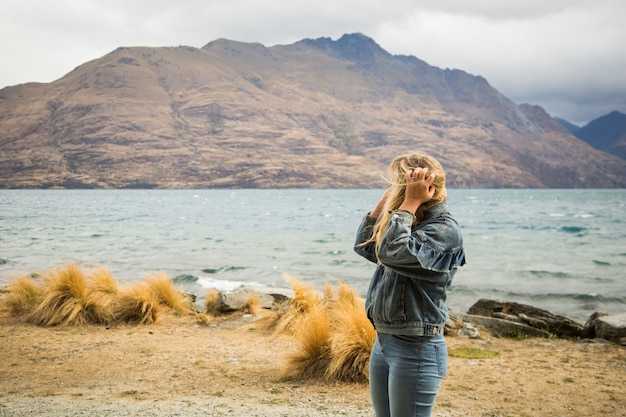
Begin in Gran Canaria to lock in a balanced start, then hop to Tenerife and Lanzarote for a 5–7 day loop through the archipelago.
Day 1–2: Gran Canaria. Explore the Tamadaba pine forests and the rugged coast, then stroll the Maspalomas dunes at sunset. Take a 3–4 hour hike to a lookout spot and finish with a winery visit to taste local grapes grown on volcanic soils.
Day 3–4: Tenerife. Fly about an hour to the island and explore Anaga’s green ridges, then switch to Teide National Park for otherworldly lava views. The temperature stays mild, keeping outdoor activities pleasant for long hours. If clouds cover Teide, switch to a coastal hike or a casual stroll through Puerto de la Cruz and the bajada routes nearby.
Day 5: Lanzarote. Base in Arrecife and dive into Timanfaya’s volcanic fields, followed by a drive through La Geria to visit vineyards where grapes thrive in lava rock. End with a sunset walk along the south coast, where cooling breezes make outdoor dinners comfortable well into the evening.
Day 6–7 (optional): hierro route. For a full 7 days, add a flight to hierro for forested hills, lunar coastlines, and night skies full of stars, or head to La Palma for lush forests and dramatic viewpoints. Either option keeps a relaxed pace and short hours of travel back to your departure island. If you have only 5 days, skip this extension and return from Tenerife or Lanzarote.
Practical tips: check a simple chart of typical shoulder-season temperature ranges to tailor daily plans. Pack layers for mornings that feel cool and afternoons that warm quickly, and always plan a flexible morning‑to‑afternoon routine so you can adapt to whether fog or sun. December can still offer sunny beach moments, but expect more events and occasional cloud cover on the northern spots. This year-round archipelago rewards a mix of island slots, a few longer explorations, and plenty of short hops to keep your pace lively yet relaxed.