


 Nederlands
  English (UK)
  Русский
  العربية
  日本語
日本語  한국어
한국어  Magyar
  Türkçe
  Español
  Čeština
  Svenska
  Português
  Ελληνικά
  Suomi
Suomi  Română
  Italiano
  Français
  Polski
  Українська
  Deutsch
  简体中文
简体中文  Slovenčina
  Best Sailing Destinations in the Mediterranean – Top Ports & Routes">

Start with a tuscan coast to Corsica circuit for your first Med sail: a week-long itinerary from Livorno or Viareggio toward Bastia or Calvi, with sheltered bays, clear water and efficient passage planning. This option keeps the pace friendly, offers ready opportunities for anchorage sides, and highlights must-see towns along the way, like Portoferraio and Capraia. In the late spring or early autumn season the winds are steady, making coastal hops comfortable and predictable.
From there, the spanish coast extends the adventure to Mallorca, Menorca and Ibiza. These ports provide coastal moorings with well-protected harbours, and excursions to historic towns, UNESCO sites and farm-to-table dining. A typical 6–8 day loop could start in Palma, sail to Alcúdia, Menorca’s Maó, then finish in Sant Antoni or Ibiza Town. May and September offer lower crowds and favorable winds for steady sailing.
In the eastern Mediterranean, the turkey coast delivers dramatic scenery and sheltered cruising from Bodrum to Marmaris and Fethiye. Plan a 7–10 day circuit that includes Datça, the Gulf of Hisarönü and Kaş, with anchorages along pine-fringed coves and accessible shore facilities. Expect a robust sailing season from late spring to early autumn; afternoon breezes ease daily legs and give time to explore ancient ruins and coastal villages.
The Adriatic and Croatian coasts shine for calm seas and clear water. Begin Dubrovnik and trace the coast to Split, with a stop at Korčula, Hvar and Biševo’s blue cave, before crossing to Zadar. Protected bays and steady moorings characterize peak-season months. This route suits a relaxed pace, allowing a sequence of excursions ashore and evenings in lantern-lit towns with seafood markets and wine bars.
Practical notes: charters use 40–50 ft monohulls or 45–55 ft catamarans; a week typically covers 350–550 nautical miles depending on legs. The season window runs from May to October, with July and August busiest; book early for popular ports such as Porto-Vecchio, Port de Sóller, Bodrum marinas, and Dubrovnik. Some locales require a skipper or license; others offer skippered charters for beginners. The pace is flexible, you can vary daily legs from 15 to 40 nautical miles depending on wind and tide, and you can add holidays ashore in coastal towns for a balanced mix of sailing and rest.
Practical Mediterranean Sailing Plan: Key Ports, Routes, and Onshore Details
Start in rhodes to lock in a great first leg with reliable charters and sheltered bays, a solid base for every sailing plan and a smooth introduction to the Med.
From rhodes, chart a loop along these coastlines through these islands: rhodes, kos, crete, santorini, naxos or paros, then bonifacio in corsica, and a final return toward a greek time base or westward hub.
In each stop, reserve 1–2 days onshore: park the dinghy in calm coves, stroll ancient streets, stock up at markets, and find delectable tavernas with grilled fish and olive oil.
These intense seasons favor late spring and early autumn; weather stays warm with average winds around 12–18 knots, high enough for lively sailing but calm enough for relaxed hops.
Santorini offers stunning coastlines and beauty that invite exploring; anchor off caldera views, then hike to white houses and black-sand beaches, with time to watch the sunset.
Bonifacio, on Corsica’s southern tip, delivers dramatic cliffs and crystal water; anchor near the old citadel, then park the boat and take a half-day tour to hidden beaches and a wine stop.
Keep a flexible daily plan: 4–6 hours at sea, shorter hops when seas run high, and longer stays in compelling towns for exploring every evening; this approach serves the average sailor who seeks reliable rhythm, onshore time, and a world of island life. These routes also offer every opportunity to find a great, delectable experience and memorable trips across coastlines that showcase beauty in these islands.
Best harbors, marinas, and guest moorings on the Amalfi Coast
Dock at Marina di Amalfi to secure reliable guest moorings and easy access to shops, fuel, and provisioning. The harbor area provides solid protection from typical winds and a straightforward approach, with quayside services within a short walk for your crew.
In Positano, Marina Grande offers a spectacular setting and practical berthing for mid-sized yachts, with quick land access, shops, and taxi boats to beach clubs. Arrive early in the peak season to beat the morning crowds and secure a berth near the central quay.
Cetara’s small harbor gives a quieter option with guest slips and a working fishing fleet nearby. The quay faces east, and the waterfront is lined with seafood eateries that stay open into the evening; it’s ideal for a relaxed evening ashore before continuing your cruise.
Vietri sul Mare marina provides south-side access and a long promenade for after-berthing strolls. It serves as a practical base for day trips by road or rail to nearby towns, with easy provisioning and straightforward port operations.
Helpful tips: Book ahead during the peak months; contact the harbor office in advance, and use the on-water signaling channels to confirm berthing. Plan daylight arrivals and keep a flexible plan for weather changes. Respect local rules to keep harbors calm and friendly for crews and locals.
Anchorages around Capri and the Amalfi Coast: depth, protection, and holding
Anchor in a sheltered cove with a sandy or muddy bottom at 6–12 m depth and set 7–10 m of chain; in stronger conditions extend to 12–20 m with a short snubber and mindful swing, then reassess wind and current reports before nightfall.
Capri and the Amalfi coast present a Mediterranean mix of dramatic coastlines and scenic coves. Depth ranges in protected bays typically sit from 6–15 m, with pockets at 20–25 m just outside main anchorages; plan for up to 30 m in open lee zones. Always verify bottom type with your depth sounder and adjust scope to keep the boat steady while you enjoy the coast’s attractions.
Protection hinges on orientation to prevailing winds. Seek coves that face away from the strongest seabreezes and use shore shelter to limit rolling. If you’re faced with a southerly influx, aim for north- or northeast-facing inlets; during calmer summer spells, lighter winds allow closer approaches to shore but still require caution around ferries and tourist traffic.
Holding quality depends on bottom composition. Sand and soft mud provide reliable grab with a fluke anchor, while rocky patches demand extra scope and, at times, an anchor with a re‑setting handle. Avoid weed beds and heavy kelp where holding is unpredictable, and consider a secondary anchor or line to secure your position when busy nights risk drift.
Facilities in summer towns along these coasts sustain a busy tourist season, so plan with the local pace in mind. You’ll find fresh fish markets, small piers, potable water points, and limited fuel options–factors you’ll value after a day of beach visits and historic strolls through towns that are UNESCO-listed for their scenery and cultural gems. Keep your charts handy, as marinas fill quickly and summer sport boats share anchorage space with luxurious cruisers.
For discovering the med mediterraneans’ varied coastlines, Capri and the Amalfi Coast offer a distinctive mixture of dramatic cliffs, whitewashed villages, and scenic beaches. If you compare with croatias or balearic experiences, you’ll notice a stronger emphasis on historic towns, coastal fortifications, and enduring attractions that appeal to tourist crowds and locals alike. Youre mindful of fishing zones and seasonal facilities, you can anchor confidently and enjoy the pristine coastlines, beaches, and crystal waters that frame every evening on these iconic coasts, while you plan future routes through other countries and their coastal charms.
Seven-day circuit: Naples → Amalfi Coast → Capri → Corsica → Sardinia → Naples
Start in Naples with a seven-day circuit that hits the Amalfi Coast, Capri, Corsica, Sardinia, and returns to Naples–this plan blends demanding open-water passages with well-sheltered anchorages and marina options, delivering turquoise seas, sun-drenched shores, and views that showcase the best of the region for clients seeking a memorable voyage, customizable to their preferences.
Day 1: Naples to the Amalfi Coast (about 40 miles). Anchor in Sorrento Bay or Praiano, or dock at a marina in Positano or Amalfi when needed. The gulf opens toward dramatic cliff views, and the areas around Sorrento, Praiano, and Li Galli reward you with beautiful scenery. In peak season the coast can be crowded, so an early start helps you enjoy calmer anchorages and easier access to the best photo opportunities.
Day 2: Amalfi Coast to Capri (about 18 miles). Anchor near Marina Grande or in sheltered coves by Li Galli, then enjoy Capri Town by dinghy or on foot. Capri is known for nightlife and lively evenings, but you can find peaceful mornings to hike or swim. Each leg offers a mix of beautiful views, blue-green water, and easy access to marina services if you need a berth.
Day 3–4: Capri to Corsica (roughly 190–210 miles). This is a demanding open-water crossing that benefits from a professional crew and solid knowledge of currents. Depart Capri in late afternoon and consider a two-day crossing to reach Bonifacio or Ajaccio by the afternoon of Day 4. The winds can blow across the gulf, so plan for night sails or comfortable near-shore stops if weather shifts. A well-prepared navigator knows where to anchor in case you need to shorten the day, and the clear waters reward you with spectacular views of the Corsican coast once you arrive.
Day 5: Corsica to maddalena, Sardinia (about 70–100 miles). maddalena archipelago offers sun-drenched anchorages and turquoise lagoons, with calm bays at Cala Spalmatore and the harbor of La Maddalena town. The region’s best beaches lie on Caprera and Spargi; take a short tender ride to enjoy the color of the water and spots that feel almost private. Maddalena also offers a relaxed nightlife scene in peak season; if you seek quiet evenings, anchor in more protected coves and watch the stars over the gulf.
Day 6–7: maddalena to Naples (about 350–450 miles, depending on route and stops). Break the crossing with a stop in Elba or Capraia to shorten daily miles and enjoy a marina or a calm anchor before the final leg. In Elba you’ll find sun-drenched marinas and strong service support; resume your course toward Naples and finish on Day 7 with a final sunset over the gulf and a harbor stroll in the city. If time is tight, you can shorten the last leg further by stopping in a Tuscan or Lazio marina and finishing with a short hop to Naples the following morning.
Provisioning hubs and fueling stops across the Western and Central Med
Recommendation: base provisioning and fueling in Valencia or Marseille, then move to Palma de Mallorca or Civitavecchia for the next legs. This setup keeps food options plentiful and bunkers ready for a smooth cruise.
Western Med provisioning hubs
- Valencia, Spain – Mercado Central and nearby markets supply a broad range of food, from seafood to vegetables and cheese. Marinas in Valencia offer deck-level access to provisioning services, and the port can coordinate diesel bunkering efficiently. A well-priced stock-up here supports a relaxing start to a Balearic hop.
- Palma de Mallorca, Mallorca – Port de Palma is a primary hub with excellent fresh options at Mercat de l’Olivar and Santa Catalina. Bunkering is reliable, and the turquoise coast outside the harbor provides a gentle preamble to a Menorca passage.
- Mahon, Menorca – Port Mahón serves tight markets for seafood and produce, with bunkering available nearby. The calm coast and clear water set a great pace for a relaxed stop before returning to Spanish waters or moving east.
- Marseille, France – Vieux-Port and the Fos network deliver robust fueling and provisioning. Local markets stock excellent bread, cheese, and fruit, while the Calanques nearby offer striking excursions for your crew during a layover.
- French Riviera hubs (Antibes, Nice, Cannes) – these marinas provide well-stocked shops and straightforward fuel access. The coastline offers short hops, high service levels, and plenty of relaxing terrace dining after deck checks.
- Ibiza Town and Mallorca alternatives – several Balearic marinas offer groceries within walking distance; fuel stops are available at larger harbors. The setting around turquoise coves invites quick swims and easy transitions between provisioning and cruising.
Western Med fueling stops
- Marseille and Fos (France) – major bunkering hub with multiple suppliers; plan ahead for peak weekends to avoid delays and keep the deck clear for a quick refuel.
- Valencia and nearby ports (Spain) – reliable diesel options in the port network; coordinate with marina staff for a fast turnaround during a provisioning window.
- Palma de Mallorca and Ibiza marinas (Spain) – multiple fuel points in sheltered berths; a good chance to top up before heading toward Menorca or the mainland coast.
Central Med provisioning and fueling
- La Spezia, Italy – Port area offers a broad mix of fresh produce and prepared foods; large marinas support easy bunkering and storage improvements for long passages. From here, a logical leg goes toward Cinque Terre or Genoa.
- La Spezia to Livorno corridor – strong provisioning networks with markets and fishmongers; bunkering is straightforward in both ports and adjacent marinas.
- Civitavecchia (Rome), Italy – a very reliable provisioning zone with proximity to large supermarkets and farmers’ markets; bunkers available through port services; ideal before a longer jump to Sardinia or Corsica.
- Genoa and Savona, Italy – robust fuel options and diverse provisioning, with easy access to fresh fruits, vegetables, and seafood; perfect for a Riviera-ward shift or a northbound leg toward Corsica.
- Olbia and Porto Torres, Sardinia – strong yachting network; supermarkets nearby and bunkering in the marina fleet; excellent for a Balearic-to-Sardinia transition or a broader cruise in the central med.
- Ajaccio and Bastia, Corsica – dependable fuel points and markets; provisioning is solid, with a scenic coastline that makes a short hop feel very rewarding for the crew.
- Split, Zadar, Dubrovnik (croatias coast) – croatias coast offers dense marina coverage (ACI Marinas) and bustling markets for fresh food; plan a fuel stop at a major harbor and enjoy an after-dinner stroll along the coastline. This region supports elegant turquoise-water cruising and frequent excursions to islands and medieval towns.
- Other Italian and Croatian anchors (Naples, Bari, and Rijeka) – steady bunkering and provisioning, with good access to markets and fuel vendors, enabling flexible routing toward the Adriatic or Tyrrhenian legs.
Practical tips for provisioning and fueling
- Keep a well-organized deck plan and a running list of local markets near each stop to streamline shopping trips with the crew.
- Coordinate with professional marina staff to align fuel deliveries with provisioning windows, minimizing downtime and protecting the yacht’s schedule.
- Choose hubs that balance excellent food options with reliable bunkering–this reduces the need for detours and keeps a steady pace for cruise legs.
- When you’re in croatias or the Italian coast, combine a provisioning stop with a short excursion to nearby coves or historic towns for a relaxing day aboard and ashore.
Excursions and onboard rhythm
- From Marseille, take a Calanques excursion to a sheltered cove for a very scenic deck swim after provisioning and fuel up.
- In Menorca, combine a morning stock-up with a turquoise-water swim at Cala Macarella and a late-afternoon sail to a nearby island for a relaxing evening.
- On the Italian coast, a Cinque Terre day trip from La Spezia or Genoa enriches the cruise with ancient towns and great coastal views; it suits a professional crew looking for culture between sails.
- In croatias, Split and Dubrovnik offer excellent coastal walks, local food markets, and excursions to wooden-lagoon coves, providing a balanced pace for a yacht cruise with friends or clients.
Seasonal wind patterns and optimal sailing windows in the Mediterranean
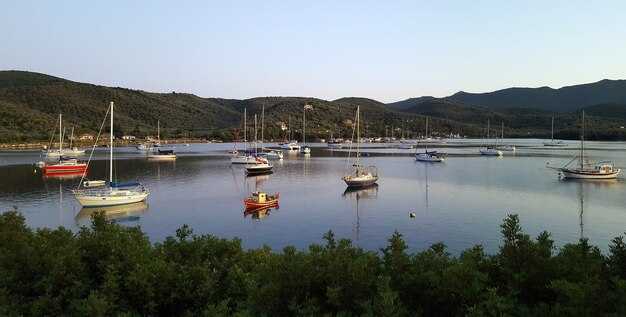
Plan May–June or September–October for calmer seas and reliable winds across the region, especially if you want time to explore dotted coastlines and well-known ports with a customised itinerary.
The western Med around the Balearics, Corsica, and Sardinia sees strong daily sea breezes that build after dawn, then ease toward late afternoon. Mistral-like conditions from the mainland can bring swells and choppy waters, so coastal stretches near Formentera and the dalmatian-influenced islets are best saved for your deck time in calmer moments. Summer brings warmer air and longer days, but July often carries gusty gusts in the afternoon, so you’ll benefit from early starts and sheltered harbours along the main routes between islands and mainland harbours.
In the Aegean and the caldera-dotted islands, the Meltemi dominates from late spring into summer, commonly strengthening in July. Mornings stay relatively quiet, with afternoon sails turning brisk as winds push across the waters toward well-known routes among the islands. If you want gentler days without the peak heat, target May–June or September–October, when charts show steadier breezes and fewer sudden squalls for enjoying discovering experiences along the coast.
The dalmatian coast blends thermal winds with periodic buoyant swells as you sail between coves and hidden beaches. Late spring and early autumn often provide the most comfortable conditions for longer stretches between ports, while July can offer beautiful sailing days if you nestle into calmer coves and plan shorter hops between dotted islets. This period suits sailor crews who prefer a slower pace, with time to enjoy seafood, mezze, and sunset horizons that highlight nature and waters alike.
To the Venetian mainland and the northern Adriatic, seasonal winds remain moderate, especially in protected bays around historic ports. Late spring and early autumn deliver enjoyable sails with less interruption from strong gusts, making it easier to plan coastal hops along well-known routes featuring venetian ports and architectural landmarks. In peak summer, watch the swells and choose lagoons or sheltered coves when possible, keeping the deck comfortable for long, leisurely days on the water.
Practical approach: use customised charts to map timing against local forecasts, and build your plan around a core sequence of islands, mainland stops, and dalmatian coast stretches. Check daily forecasts for swells, wind shifts, and the chance of Sirocco-like surges, then adjust routes to keep time on the water efficient and enjoyable. If you are a keen sailor or a first-time cruiser, consider a short pilot route to dip into caldera or venetian-area waters to learn the tides, currents, and port operations in familiar, friendly conditions.
| Region/Area | Typische Winden | Best Windows (months) | Opmerkingen |
|---|---|---|---|
| Western Med (Balearics, Corsica, Sardinia) | Sea breezes after dawn; occasional Mistral/Tramontane from the mainland with gusts 20–30+ knots | May–June, September–October | Keep to sheltered bays near dotted coastlines; Formentera offers calm mornings and scenic evening sails |
| Aegean & caldera islands | Meltemi strengthens in July; calmer mornings, brisk afternoons | May–June, September–October | Leisurely day sails between islands; good time for discovering island scenery and caldera views |
| Dalmatian coast | Thermal breezes; occasional swells from sea lanes | May–June, September–October | Ideal for longer stretches between dalmatian ports and island hops |
| Venetian mainland & northern Adriatic | Moderate breezes; bora less frequent in summer, more common in shoulder seasons | May–June, September–October | Great for exploring venetian, well-known ports and mainland transitions with calm seas |