


 Nederlands
  English (UK)
  Русский
  العربية
  日本語
日本語  한국어
한국어  Magyar
  Türkçe
  Español
  Čeština
  Svenska
  Português
  Ελληνικά
  Suomi
Suomi  Română
  Italiano
  Français
  Polski
  Українська
  Deutsch
  简体中文
简体中文  Slovenčina
 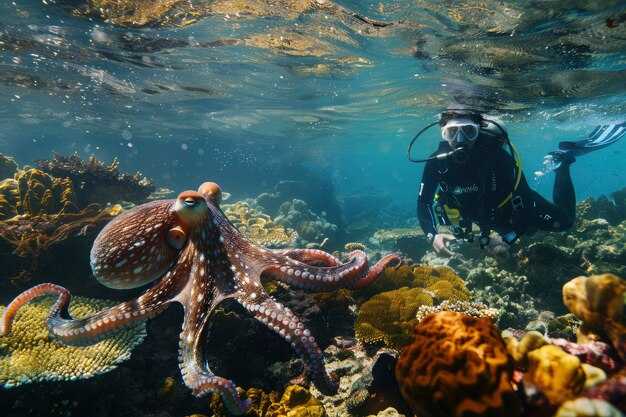 Best Dive Trips – Top Scuba Diving Destinations">

Start with Sipadan, Malaysia, for a standout scuba experience that instantly raises the bar. From crystal-clear water to bustling pelagic life, the small island and surrounding reefs deliver memorable encounters with turtles and sharks. Choose a licensed operator and a compact itinerary that keeps travel simple and safety a priority on the water.
Indonesia’s Raja Ampat is a must for a multi‑day, multi‑site route across small islands with extraordinary biodiversity. A liveaboard lets you stay in one place while you explore ridge walls, lagoons, and coral gardens. Expect manta sightings, colorful macro life, and afternoons on strand stops to rest and review skills.
The Red Sea, southern Egypt, provides reliable water and dramatic underwater formations. A southern Sinai base or Hurghada liveaboard unlocks Ras Mohammed and Straits of Tiran, where turtles and reef fish are common. Plan your days to balance scuba sessions with shore time to stay fresh and safe.
Belize offers calm, accessible routes around Turneffe Atoll and Lighthouse Reef for steady progress. Shore entries are straightforward, visibility stays good, and you can meet nurse sharks, rays, and turtles while refining skills. Pair reef time with a strand break to soak in the Caribbean sun between sessions.
For a compact, predictable option, Bonaire keeps the focus on shore excursions and excellent visibility. The island’s protected waters let you practice fundamentals, explore from strand access, and loop through several eilanden or corners on a single trip. Great for first timers and those building confidence before longer expeditions.
Next steps include selecting operators with solid safety records, verifying equipment standards, and matching your plan to seasonal conditions into optimal windows. Also hydrate well, pace activities, and rely on local guides who know the best strand spots and wildlife behavior at each stop.
St Maarten/St Martin Dive Highlights: Wrecks, Reefs, and Shore Access
Begin with a guided underwater excursion to wrecks off maartens and then explore the surrounding reefs; this approach makes your vacation efficient and suits first‑timers as well as experienced visitors, and it helps you know where to look from the start.
Wrecks and Reefs: What to Expect
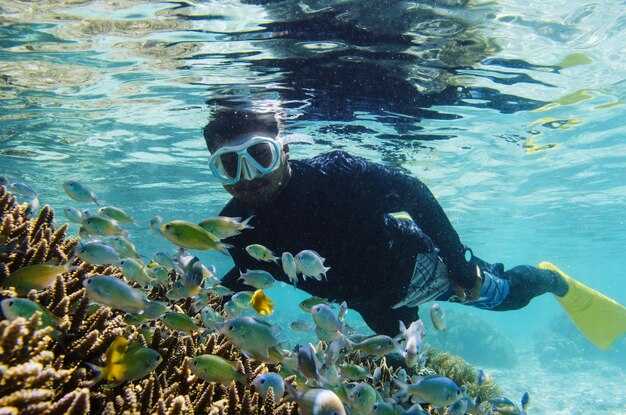
The wrecks around maartens lie mainly at shallow to mid depths, typically 12–25 meters, where hulls offer easy entries and comfortable bottom times. The latest safety practices apply to both beginners and the most experienced travelers; visibility commonly ranges 15–30 meters and water temperature sits around 26–29°C, with caribbean waters staying well lit in morning hours. Most wrecks are accessible from shore or short boat rides, giving you flexible options with a partner or group.
Shore Access and Tips
Shore access is well organized at several beaches, making it easy to start from land or to combine shore options with a short boat transfer. To make the most of your time, plan around tides–low tide often provides calmer entry and exit points. Bring a surface marker buoy, keep attention to currents, and maintain a comfortable reserve of air; this helps you explore calmly with a guide who speaks english, which many visitors value. The favourite spots are usually the ones with turtles and eels visible, mainly in calmer mornings, so check the latest forecast and wrap your vacation with a few memorable photos plus a quick swim in warm waters.
Best Time to Dive: Visibility, Sea State, and Water Temperature in St Maarten
Your best window is February through May: visibility is at its best and sea conditions stay calm to moderate. Visibility ranges between 25 and 40 meters on clear days, with a sea state of 0–2 meters and rarely more than 3 meters after fronts. Water temperatures stay around 27–29°C, so a 3–5 mm wetsuit keeps you comfortable back-to-back sessions during this period. Overall conditions are favorable for divers, and many visitors choose this window for their vacation.
During the off-peak months, June through November, expect more variability: visibility can dip to 15–25 meters after heavy showers, and sea state can be choppier with occasional 2–3 meter swells. Water stays warm, typically 26–29°C, but unsettled skies can disrupt schedules and days on the water. This pattern has been stable over many seasons.
On sint maarten, maartens reefs along the south coast showcase highlights for visitors. Reefs teem with corals, fish, and in-water life, and sharks are occasionally spotted near outer edges. The best chances to see them align with calmer mornings and clearer conditions, making these sessions attractive for many divers.
First-time visitors with a padi certification or any international certification will find a center offering refresher courses, equipment checks, and guided sessions. Centers tailor experiences to your level and schedule, often free of charge for gear checks, and then help plan next steps for their vacation.
Seasonal Highlights and Practical Tips
Book during the February–May window for your best visibility and the most consistent sea state. If you must travel in the off-season, plan back-to-back sessions on days with a solid forecast, and take advantage of free equipment checks at the center. Attention to conditions on the day keeps your plans flexible and ensures a safe, enjoyable experience for visitors and their companions.
Planning Your Visit: Certification, Centers, and Family Options
Choose a local international center that offers a variety of options, from beginner-friendly scuba sessions to advanced courses. Next to your certified status, you can free a few hours for snorkelers or beach time, making it easy to balance non-diving activities during your vacation. Many centers are located near popular hotels, making back-to-back outings convenient for you and your group.
Top Dive Sites: From Shore Reefs to Boat-Accessible Wrecks around the Islands
Start at juliana reef, a popular destination where shore access is free and you can book a relaxed morning with eels and varied reef life. They rarely disappoint divers who come for the variety and the chance to build skills before tackling the open water.
Then move to boat-accessible wrecks around the islands to extend the experience. These sites offer a mix of structure, currents, and wildlife, with maximum bottom time provided that conditions stay calm. They have been popular for years, and the highlights include maartens wreck, sheng platform, and martin wreck, each presenting different conditions and opportunities for exploration.
- maartens wreck – shallow entry, accessible decks, and a graceful ascent; depth up to 20m, plenty of schooling fish and occasional eels; ideal for beginner to intermediate groups seeking a varied experience.
- sheng platform – mid-depth site with a lattice of beams, swim-throughs, and cleaner stations; watch for silt in lower tides and plan a shorter penetration if visibility dips.
- martin wreck – larger vessel with multiple compartments, robust hull structure, and a handful of artifacts; offers extended bottom time for experienced groups and a chance to practice navigation.
Practical tips to keep the trip well within limits: check weather and sea state, book with operators who tailor programs to skill levels, and respect local guidelines so that the responsibility rests with everyone. Having the right gear, a compact torch for wrecks, and a backup plan for cloudy days helps maximize the break between sessions and keeps the group safe. This plan keeps everyone well prepared and ready to adjust plans as conditions shift.
Choosing a Dive Operator: Certifications, Safety Protocols, and Gear Availability
Choose a padi-certified operator with transparent safety protocols, reliable gear, and a clear emergency plan.
Vraag om bewijs van actuele diploma's en schriftelijke veiligheidsprocedures, inclusief de beschikbaarheid van zuurstof aan boord, een protocol voor maritieme radio en een vastgesteld reddingsplan. Controleer of het personeel beschikt over actuele certificeringen en of de bemanning bezoekers routinematig brief voordat elke duikuitstap, waarbij de route, diepte en omgevingsomstandigheden worden besproken.
In Philipsburg en langs de zuidelijke kust exploiteren verschillende aanbieders dagtochten die beginnen in de buurt van het strand en richting scheepswrakken, riffen en begroeide schepen gaan. Gidsen stellen routes af op de groep, met als doel maximale blootstelling aan helderheid, interessant marinelife en rustige zeeën op rustige dagen.
Certificeringen en veiligheidsprotocollen
Verifieer dat de bemanning van de operator erkende diploma's heeft en dat de werkplaats een up-to-date veiligheidsprogramma onderhoudt. Zoek naar een schriftelijk plan voor weersveranderingen, medische noodsituaties en transport naar een medische faciliteit indien nodig. Zorg ervoor dat de boot een EHBO-kit heeft, een werkende radio en duidelijke procedures voor het alarmeren van hulpdiensten.
Gear Availability and Boat Experience
Controleer de uitrusting, maattabel en reserveapparatuur. Bevestig dat duiksets, regulatoren, BCD's, maskers, vinnetjes en gewichtssystemen in goede staat zijn, met reserveonderdelen bij de hand. Vraag of ze gratis of betaalbare huurkits aanbieden, en of er reserve-lucht of back-ups beschikbaar zijn tijdens de reis. Een goed uitgeruste boot met een gedisciplineerde briefing helpt duikers comfortabel te blijven, vooral wanneer ze leven zoals kreeften of slangen zien verschijnen rond schepen en riffen.
| Aspect | Checklist | Why it matters |
|---|---|---|
| Certificeringen | Huidige padi- of andere erkende agentschapskaarten; vervaldatum; kruiscontrole met officiële lijsten | Zorgt voor gekwalificeerde instructie en geschikte begeleiding voor een bepaalde route. |
| Veiligheidsuitrusting | Aan boord zuurstof, eerste hulp, maritieme radio, reddingsuitrusting; geplakte noodplan | Vermindert de reactietijd bij een incident en verbetert de resultaten. |
| Boot en bemanning | Crew competentie, gastverhouding, geplande routes (scheepswrakken vs riffen), tijd op diepte | Beïnvloedt de veiligheid, het comfort en de algehele ervaring. |
| Beschikbaarheid van versnellingen | Bereik van maten, back-up regelaars, reserve gewichten, gratis versus betaalde verhuur | Voorkomt last-minute problemen met uitrusting en pasproblemen |
| Lokale omstandigheden | Water temperatuur bereiken; zichtbaarheid; typische diepten; drukte rond populaire locaties | Helpt bij het selecteren van passende bescherming tegen blootstelling en planning |
Onderwaterfotografie en Mariene Levensvormen: Wat te Vangen en Hoe te Plannen
Begin met een brede opname van een rif in warm water om de scène te bepalen, nader dan vervolgens een meervisje bij een beschuttende richel om textuur en oog te vangen. Dit vereist geen high-end apparatuur om te beginnen; een standaard zoomlens of een 60mm macrolens met natuurlijk licht geeft sterke resultaten, en je kunt zowel stilstaande foto's als korte sequenties op een locatie maken.
Wat te registreren
Haaien voegen drama toe wanneer ze verschijnen rond de rand van een afgrond, dus houd een veilige afstand aan en gebruik een langere brandpuntsafstand. Grootoogleden loeren vaak rond midwater holtes en spleten; frame hun gestalte tegen levendig koraal voor schaal. Aalscholvers weven zich tussen koraalriffen; fotografeer laag om hun vloeiende lijnen te benadrukken. Kleine rifbewoners – wrasses, gobi's, garnalen – schitteren wanneer je ze tegenlicht tegen een gevarieerde achtergrond van bogen en zandplekken. Leg een mix van brede scènes en strakke details vast, en tussen de onderwerpen probeer je een kleurrijk moment op te nemen dat het verhaal van het rif vertelt. Houd bijschriften in het engels en noteer waar je elk onderwerp hebt gevonden om een duidelijke, herhaalbare workflow te creëren. Deze aanpak is populair bij bezoekers die een gevarieerde portfolio willen die uitlegt wat er rond de riffen leeft.
Planning en velgtips
Plan je sessies nabij Philipsburg aan de zuidelijke kust, waar riffen en eilanden gevarieerde landschappen en een ontspannen tempo bieden. De Sint Maarten omgeving combineert een Nederlands erfgoed met warm water en gemakkelijke toegang, waardoor het een vriendelijke bestemming is voor fotografen. Lokale gidsen zoals Sheng Run Center organiseren workshops die scene setup, omgang met apparatuur en veiligheidsaanwijzingen behandelen. Voor apparatuur, neem een groothoeklens om grote rifstructuren vast te leggen en een macrolens voor klein leven; stel ISO 100–400 in, diafragma rond f/8 voor middentonen en pas de sluitertijd aan om bewegingsonscherpte te vermijden. Plan je bezoeken voor de ochtend en late namiddag, wanneer warm licht langer meegaat en de waterhelderheid optimaal is. Houd je aan de richtlijnen voor het observeren van dieren in het wild en houd afstand van koraal om het rif te beschermen; zelden heb je meer dan 60 minuten op een locatie nodig om een overtuigende reeks te verkrijgen, en je kunt later terugkeren voor nieuwe onderwerpen. Door te plannen over een paar locaties, kun je een gevarieerde collectie opbouwen die het centrum, tussen hun riffen, en de energie van de zuidelijke eilanden rond Philipsburg weerspiegelt.