


 Nederlands
  English (UK)
  Русский
  العربية
  日本語
日本語  한국어
한국어  Magyar
  Türkçe
  Español
  Čeština
  Svenska
  Português
  Ελληνικά
  Suomi
Suomi  Română
  Italiano
  Français
  Polski
  Українська
  Deutsch
  简体中文
简体中文  Slovenčina
 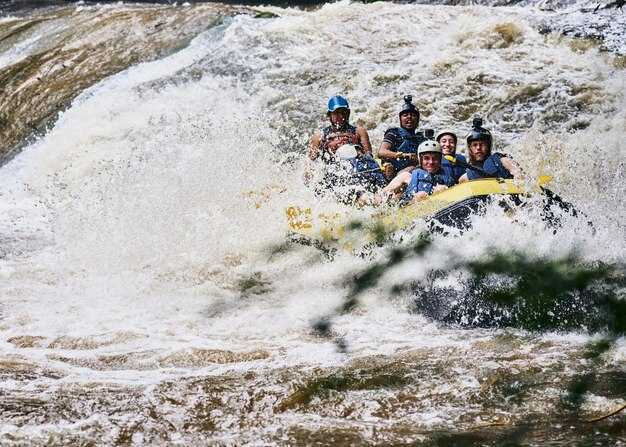 Best California Whitewater Rafting Trips | Top Rivers, Seasons & Tips">

Begin with a Lower American River floatin trip for your first California whitewater experience. It delivers dependable rapids, friendly guides, and easy logistics. Arrive with a light bag and sunscreen, and you’ll save time on logistics while staying comfortable. This option keeps pressure low, lets you keep pace with a capable guide, and sets up adventure you can repeat across the state with confidence, riding with them on each splash. Guides will arrive early with safety gear to start the briefing right away.
Beyond the Lower American, these world-class trips offer options for every level. The Tuolumne Gorge delivers dramatic scenery and technical lines that appeal to experienced paddlers; the Kern River delivers big rapids in spring when snowmelt boosts flows; the Kings and Merced area provide long, scenic runs with calmer sections for looking for a steady rhythm. For a safari-style pace, choose guides who tailor routes to your group and avoid rushing the lineups. Prospectors of old arrived early to secure premium put-ins, and today’s outfitter crews wait for solid safety checks. If adventure is your aim, this cluster of rivers offers diversity you can often revisit. Choose highly rated guides who emphasize safety, and always verify current releases with your operator, and consider an option with expedities that uses multiple river sections so you can save time and keep momentum. A safari experience keeps things lively and helps you stay focused on reading the water. This region attracts world travelers looking for whitewater.
Seasonal window and planning tips. Spring run-off brings higher water and bigger rapids; to maximize safety and fun, book expeditions in March–June for the best flow, and don’t wait too long, as later in the season water levels drop in many canyons. If you want the biggest hits, chase peak flows on Tuolumne or Kern; for gentler days, the Lower American is ideal. Always check dam releases with your operator, and consider a guided trip that arrives with rescue boats and safety gear. If you’re flying in, plan flying into Fresno or Sacramento and drive to the river. Only licensed operators may access certain sections, so book with a reputable outfitter. For gear, most guides provide PFDs and helmets; you may bring a tube for a calmer float on specific routes, but confirm options with your guide.
Practical tips for the water to ensure you always have a smooth day: listen to briefings, keep hands inside the boat, and use the proper PFD and helmet. For beginners, stay on lower sections and let your guide select the route; for experienced paddlers, request the route with the most reads and the least strainers. Pack a light rain shell, synthetic layers, sun protection, and a dry bag for valuables; you can keep cameras in a waterproof case to capture moments. If you’re aiming for big water, consider a guided expedition to maximize safety margin and to meet drops you want to chase.
With these options, you can tailor a California whitewater schedule that fits your dates, gear, and energy level, while keeping the focus on safety and adventure.
California Whitewater Rafting Guide
For beginners, book a private, guided trip on the Lower American River in spring when water runs high but rapids stay easy. The splashdown moments happen often, and a 4-star outfitter will keep the crew safe and the ride fun. James can tailor pacing to your group’s needs and explain paddling technique on the river’s scenic banks, with just enough instruction to boost confidence.
If you crave bigger action, plan for Feather River or Kern River trips in late spring through early summer, when flows are higher but still manageable with a guide. Depending on the day, sections near Oroville on the Feather offer featured scenic canyons and fast Class II-III rapids, while Kern will push more challenging moves. Only use vetted outfits and always check with your outfitter about the specific reach and water levels before you book.
Gear and safety come first: wear a properly fitted PFD, helmet, and water shoes; bring a lightweight dry bag and a change of clothes for after the run. You cannot rely on flip-flops or bare feet on the rocks. For safety purposes, a wetsuit or splash jacket is often necessary in spring and shoulder seasons, while summer days may call for lighter layers. A professional guide will coach you through paddling strokes and rescue basics as you practice in calm water, with hints about technique you can apply when you see birds flying over canyon walls.
Planning tips: arrive early, confirm private trip details, and ask for a James-led option if you want a more relaxed pace or a higher degree of instruction. Most outfits rate trips with a 4-star scale and equipment found in excellent condition. Working with a private group and James helps tailor the day so people of different ages stay comfortable.
Seasonal planning helps you pick the right river and date: spring runoff on the American and Tuolumne reaches often deliver the best scenery and splashdown moments, while late summer can provide calmer, private sections. Please check permits where required for purposes of safety and access, and note that some routes on public rivers cannot be reserved out of peak season. Whether you raft for adrenaline or a peaceful scenic ride, California’s whitewater often exceeded expectations with the right plan and a trusted guide.
Best California Whitewater Rafting Trips, Top Rivers, Seasons & Tips; Possible Trip Routes
South Fork American River run in spring, when snowmelt fuels rapid sections through scenic canyons, delivering mind-blowing rapids for a wide range of ages. Guided trips include a pre-ride safety briefing, check-in around 8:00–9:00 a.m., and a 4–6 hour outing that suits solo paddlers and small groups alike. Expect a friendly, water-friendly crew, robust gear, and a bucket list of stories you’ll tell later–this one earns a lasting spot on any California list, with more memories to come.
Other flagship runs span Merced River, Tuolumne River, Kern Canyonen Feather River, each with its own scenery and pacing. Merced River near Yosemite delivers dramatic granite walls and oak-studded banks, with a spring-to-early-summer window that remains strong for beginners and families. Tuolumne River offers a higher alpine backdrop for the more adventurous, while Kern Canyon from Kennedy Meadows to Kernville trades scenic views for longer, white-knuckle rapids and a rugged, canyon-chiseled feel. For a true west-coast sampler, many paddlers mix two routes to create a longer, more varied day that keeps your momentum going.
Seasonal timing matters: spring snowmelt boosts flows on the higher runs, with peak action from March through May; late spring into early summer often balances water levels and outfitters’ schedules. Summer flows ease a bit, but water stays cold, so bring a warm layer and a water-friendly spray top. Sunset paddles can be magical, especially on calm sections after the last rapid; plan for roughly 2–5 hours of river time depending on route and shuttle. Safety gear, helmet, PFD, and a quick check-in with guides keep everyone confident; kids and first-timers typically require ages 12 and up, with options for directed instruction for younger adventurers. For a California experience, look for outfitters who offer reusable water bottles, snack breaks, and post-run doeuvres.
Possible trip routes span compact two-day loops and longer multi-river itineraries. A two-day run concentrates on the South Fork American and a nearby feeder, with an early check-in, river time around 3–5 hours, and a comfortable riverside camp. A Kern Canyon itinerary covers Kennedy Meadows to Kernville, with a shaded canyon setting, a night in Kernville, and time to explore town. A Yosemite-area plan blends Merced en Tuolumne in a stretch that fits a long weekend, with permits and shuttle windows arranged in advance. For variety, some groups book an overnight and a sunset paddle to cap the day. A magazine feature once highlighted alaska comparisons, yet the unique, nature-forward feel on CA water-friendly trips remains distinct; look for routes that suit your pace, and factor in hours for shuttle logistics and rest stops. If you’re traveling with aunts and friends, this approach gives everyone a chance to look forward to the next stretch and to praise the guides for a smooth day.
River-by-river picks: California’s must-know whitewater rivers by class and access
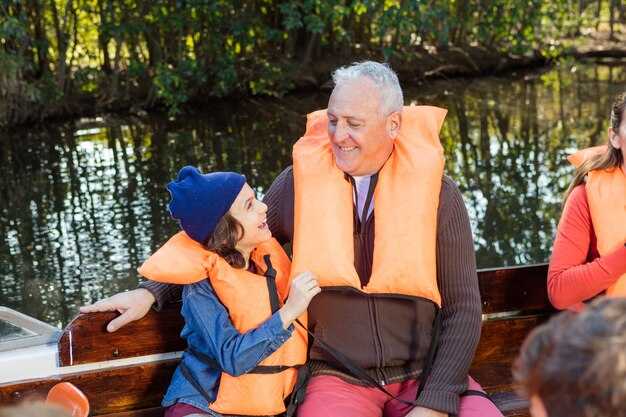
Begin with the South Fork American River, Chili Bar to Coloma: Class III–IV whitewater that stays thrilling. Put-in at Chili Bar off Highway 49 and take-out in Coloma, where the current pushes you through a sequence of rapids in the middle and calmer pools. This gateway route is ideal for travelling families and groups, especially when you want to gather aunts, uncles, and bags for a full day on water that keeps you in all-outdoors mode and finishes with a sense of accomplishment. If you roll with a professional guide, someone like matt can point out safer lines and how to pass through the more technical moves; these runs are exclusively available to private trips or outfitted groups, depending on the day’s water. Begin your California whitewater journey here and watch the summer current carry you toward the finish.
Merced River, Briceburg to El Portal: Class III–IV with a dramatic canyon framed by granite walls. Start at Briceburg and finish at El Portal; flows peak in May and June as snowmelt pushes current through the river, then ease into steadier water in July and August. These days offer a reliable window for travellers seeking big-water excitement plus nature, with summer temperatures making the landscape feel close at hand. A family group can travel with bags and aunts or uncles along for the ride, and gather memories as you finish each run. For a first-timer, a guided trip helps with line choices on the technical sections, learning where to read the water and when to pause for a safe pass.
Kern River, Upper Kern near Kernville: Class IV–V depending on flow. Access via Kernville and the surrounding canyon puts you in a remote, powerful setting with big waves and technical moves. The upper gorge shines in late spring to early summer when snowmelt drives a strong current through the canyon. A head for safety and a professional guide are wise if you’re new to the sport, while seasoned paddlers relish the challenge and the scenery. This route delivers a true Sierra gateway experience, where you carry momentum through the rapids and finish with a memorable surge of accomplishment.
Feather River, North Fork: Class II–IV with higher-flow sections reaching IV. Put-in around Oroville and run toward Rich Bar; the best window runs from May to July, when the current stays robust but the weather remains friendly for travelling groups. This option suits those who want solid rapid action without long approaches, and it pairs well with a day by the water that lets you soak in the surrounding nature. Whether you’re coordinating with a guide or heading out with a small crew, you’ll find quick access, manageable option lines, and a clear path to the finish after a full day on the water.
Seasonal windows: ideal times to run Kern, American, Tuolumne, and Merced
Target the Kern Upper in March–May for the most thrilling high-water runs; for a longer season, run the Lower Kern in April–June. Everyone planning a Kern trip knows snowmelt drives flows, and given a smart forecast you want to unleash your best lines. Local guides and heroes know the true timing, and they tailor plans to your purposes; today’s flow data helps you pick the starting date. If you want an island stop or a beach-side retreat along the river, you’ll find options on the edge. Starting early and staying flexible pays off for a true year of adventures.
South Fork American shines March–May, delivering astoundingly reliable Class III–IV rapids. Whether you want big waves or smoother lines, this window gives everyone a solid shot at a memorable run. They know that dam releases can shift flows, so check the forecast and be prepared. Arizona crews, national guides, and local outfits all show up during this period, which makes it a great starting point for first-timers and veterans alike. If you cannot make the peak window, consider additional dates in early season or late season with the right permits.
Tuolumne River, Groveland section, peaks May–June as Sierra snowmelt floods the canyon. Since flows can swing with weather, plan to start your day with a true sense of risk and readiness. They will test your paddling and your nerves in a stretch where a fast line can change fortunes. For many purposes, a guided trip helps you gauge the right water and line choices; they can arrange a flexible schedule to fit your needs and today’s conditions.
Merced River (Yosemite) peaks May–July and stays strong into early July, then eases. For scenery lovers, this window pairs with a national park visit and dramatic granite walls. Halloween-season trips show up in some years, offering a cooler backdrop if you plan ahead, but most runs stay comfortable in late spring. With today’s forecasts and local outfits, you can pick a starting date that matches your skill and your retreat plans. If you want an amazing day with true canyon views, the Merced delivers, and it cannot be beat for accessibility and variety.
| River | Ideal window (months) | Typical flow range (cfs) | Opmerkingen |
|---|---|---|---|
| Kern (Upper Kern River) | March–May | 3,000–8,000 cfs (peaks higher) | High-water thrill; check forecast; permits may apply in certain sections |
| American River (South Fork) | March–May | 5,000–12,000 cfs | Big waves, solid class IV; dam releases can vary; plan on a guide |
| Tuolumne River (Groveland) | May–June | 2,000–4,000 cfs | Fast, committing lines; alpine scenery; permit required for most sections |
| Merced River (Yosemite) | May–July | 2,000–5,000 cfs | Stunning canyon; good with a plan; permits required |
Logistics checklist: permits, launch points, shuttle planning, and parking tips
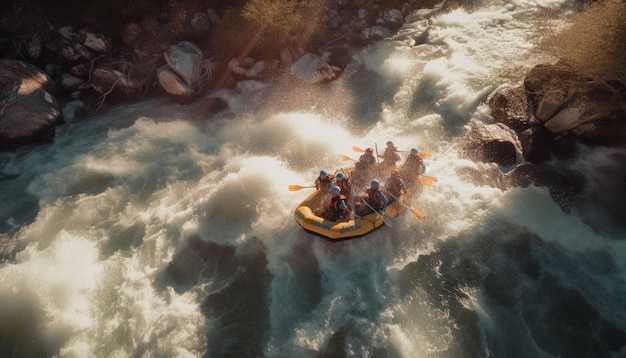
Open the agency portal and gather the details to secure permits for California whitewater trips. If a date cannot be booked, switch to an alternate window or another section with nearby access.
- Permits and access
- Identify the river section and managing agency (State Parks, USFS, NPS, BLM, or a national concession).
- Decide if you are a single paddler or part of a team; private and guided operations may have different permit paths.
- Open the permit portal, gather trip details (section, date range, party size, gear list), and submit applications before windows close.
- Save confirmations, numbers, and contact details for the issuing office and note applicable entry steps if required.
- For two or more nights in wilderness corridors, secure overnight authorizations; have a backup option in case weather blocks access.
- Launch points and access
- Study official maps and mark any alternative launch or take-out spots in case of closures or road work.
- Confirm opening hours, gate rules, and whether you may leave gear in the vehicle near the launch.
- Plan parking near the launch: official lot, secure area for gear, and any applicable fees.
- Check for passes needed to park in the lot (state, national).
- Shuttle planning
- Book a shuttle service well in advance, as weekend slots fill quickly.
- Provide exact party size, vessel count (rafts, tubes), and gear load; ask about space for additional items.
- Confirm drop-off at the launch and pickup at the take-out, plus the estimated return time.
- Share a backup driver or contact in case someone cannot reach the launch point.
- Parking tips
- Show up early to secure a spot; follow posted signs and stay in designated lots.
- Carpool when possible, and keep valuables out of sight; lock doors and take smaller items with you if there is no secure area.
- For two or more nights, arrange a secure parking option or a yard with cameras if available; verify overnight terms.
- Know local canyons and mesa neighborhoods near the launch; plan a safe walk from the lot to the river access.
Tip sheet idea: carry a compact magazine-size checklist and a laminated version for quick checks; for nature lovers, a compact field guide helps discover canyons and mesa scenery between rapids.