


 Nederlands
  English (UK)
  Русский
  العربية
  日本語
日本語  한국어
한국어  Magyar
  Türkçe
  Español
  Čeština
  Svenska
  Português
  Ελληνικά
  Suomi
Suomi  Română
  Italiano
  Français
  Polski
  Українська
  Deutsch
  简体中文
简体中文  Slovenčina
 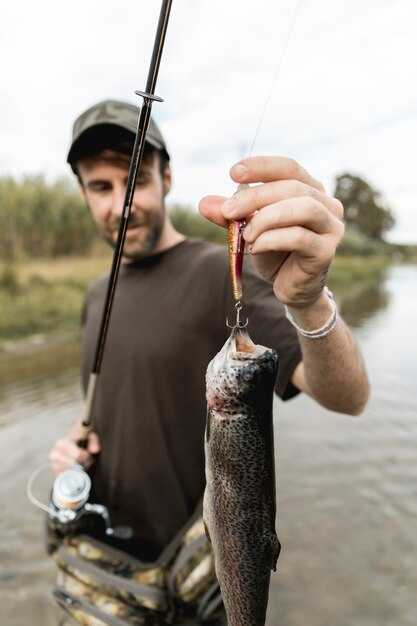 Bass Fishing – Largemouth Bass Tips, Gear & Techniques to Catch More">

Go with a boat-based, targeted approach: cast toward submerged structure on points or ledges, then maintain a steady technique to provoke a bite. Which lure you choose depends on water clarity and seasonal pattern, but a fast-rattling crankbait or a tight-wiggle swimbait generally covers water well and provide reliable bait opportunities. This base tactic returns consistent results whether you chase seasonal roamers or daytime ambushes, and it avoids wasted casts along unproductive places. Focus on quick, accurate casts
Gear setup and casting basics: Start with a 7’6″ medium-heavy rod for bait-casters or a 7’0–7’6″ medium-light setup for spinning, matched to 20-30 lb braided line with a 12-20 lb fluorocarbon leader. In clear water, cast 3/8–1/2 oz lures; in stained water, go 1/2–3/4 oz to punch through sunlight and wind. If you waders and cast from shore, keep the line tight and hit edges where submerged cover meets the drop-off; take a long, precise casting angle to reach the base of structure. If you just want to cover water fast, use a lipless crank or a loud blade bait that does grab attention from cruising fish. Pro tip: keep a spare rod ready for a quick swap.
Seasonal adjustments and on-water pressure guide your choices. In spring, largemouth roam toward weed edges and 6–12 ft depth; summer shifts to deeper points at 14–20 ft and steeper drop-offs. Switch your lure selection and speed: use a tight-wobble swimbait, a vibrating blade, or a rattling lipless when you want taking reaction bites, or a steady plastic worm when they hold tight to cover. If intruders such as boats or anglers alter the water around your spots, move to a nearby place, or switch to casting toward the other side of a point so you still provide a clean line to the fish.
Reading the lake and choosing places: Look for shallower flats where sunlight warms the water in the morning; target places where baitfish gather and largemouth become active around weedlines, docks, and submerged brush. Use quick, accurate casting to places where structure meets open water, then take a few more casts to verify the base of the pattern. If roamers cruise along cane beds or points, adjust your approach to where they are likely feeding and employ a steady cadence to trigger bites. Over time, these reads become a reliable map to where bass stay and feed. Consistency matters more than brute power.
Practical Largemouth Bass Mastery: Tips, Gear & Techniques
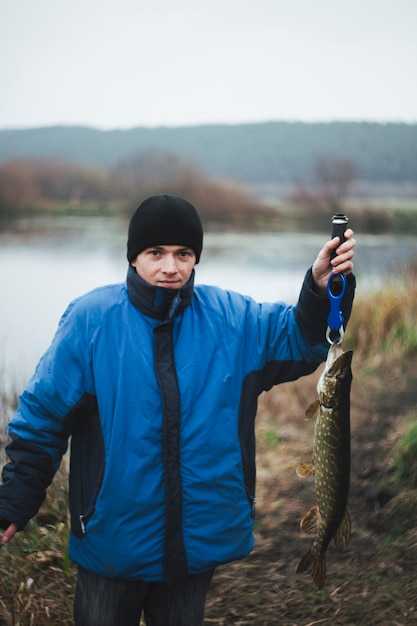
Use a square-billed crankbait in pre-spawn windows, let it sink to the weed edge, then reel with tight, irregular pauses to trigger bites.
Pair this with a 7 ft 6 in medium-heavy rod, a fast reel, and 15–25 lb fluorocarbon or braid; keep line tight while actively working the lure to cut through weeds and drive through cover.
Try a wacky rig with a small stickbait to probe gaps between weeds; lizards and frogs entice hits when bass lie in ambush near cover, and intruders such as bluegill can still pull bites if you present near structure.
During pre-spawn, the majority of larger bites arrive along weed edges and pockets; pause after a short pull to let the lure sink, then snap it once and sweep back toward the boat to stay in contact.
To boost trophy-sized results, vary technique: reel square-billed cranks through mats, switch to a jig for deeper edges, or use frog imitations as the water warms; in mixed lakes, smallmouth patterns differ, so common patterns for largemouth may not apply everywhere. Actively test several options and log what works.
Locate Largemouth: Target Habitats, Cover, and Movement
Begin with edge habitats where bigger bass roam. Weve found weed beds around docks, grass lines, and submerged timber concentrate bait and bites. Cast a worm or creature bait on a light jig along the edge, starting 6–8 feet from cover and counting down to the depth where bass hold.
- Weed lines around docks, points, and channels: look for bait flicker and small surface rises as fish suspend near the edge.
- Wood cover: stumps, laydowns, and brush piles provide ambush points; approach slowly and pause near cover before moving the lure away.
- Drop-offs and ledges: transitions from shallow to 6–14 ft depth attract roaming bass; cast parallel to the slope and count the lure to reach productive depth.
- Concrete banks and riprap: ramps, seawalls, and breakwaters concentrate bait; target edges with a slow-presenting worm around 6–12 ft.
- Lily pads and hydrilla mats: bass tuck under the mat edge and strike when prey moves along the edge; use weighted soft plastics with slow hops.
- Woody cover: stumps, fallen trees, and brush piles create predictable ambush zones where fish hold tight to structure.
- Vegetation: dense pads, milfoil, and hydrilla edges concentrate bait and make ideal places to draw bites with precise casts.
- Hard cover: concrete walls, pilings, and rock piles offer stable ambush points; work lures to the base of cover and along the edge.
- Transitional zones: where weed lines meet drop-offs or channels, bass roam and feed along the edge during moving water or gusty days.
- Early light window: bass roam along weed edges and shallow shelves; cast parallel to cover with a slow, steady retrieve to provoke bites.
- Spring spawn: male bass guard nests in shallow pockets; target nest edges with a small worm or creature bait, then switch to a faster retrieve if bites lag; would-be bites often come as females exit the zone.
- Summer heat: midday activity shifts deeper; focus on 6–14 ft structures, especially around ledges and ridges where ambush can occur, and renew presentations when you don’t see bites for 10–15 minutes.
- Fall movement: fish shift onto points and secondary channels to feed; locate nearby bait schools and align casts with current or wind direction to keep lure work natural.
To boost results, count on a practical supply of options: worm-tipped plastics, small swimbaits, jigs, and a selection of colors that match local forage. Choose a couple of key places to begin, then rotate through methods–pause-present, slow-roll, and hopping retrieves–until you locate productive timing and bites.
Shoreline Beginner Strategy: Cast Angles, Baits & Presentations
Start with parallel casts along shade lines and weed edges, keeping the lure 2-4 inches off the bottom to feel the first bites and avoid snags. Move to 30-45 degree angles toward darker pockets and the face of gravel shelves or a spillway where intruders and sunfish move, and you’ll locate the best choke points along shorelines.
Choose their different baits to match the forage found near shorelines: a 4-inch plastic worm or a 4-inch swimbait for weed and gravel zones, a 1/8 oz spinnerbait for fast-moving water, and a shallow-diving crankbait when the bottom drops off quickly. For stained water or high sun, switch to brighter colors that stand out in the darker edges; for clear days, natural greens, browns, and perch tones work well. Have options ready so you can react to the many environments you’ll face along fisheries shorelines.
Presentations should prioritize contact with structure. Use a steady, moderate pace with short pauses 1-2 seconds near the bottom to tempt eating basss hiding in shade or under weed mats. When you reach a weed edge or gravel pocket, slow the retrieve and twitch a bit to imitate an injured sunfish that intruders might be scouting. If you see a fish face the lure briefly, pause longer and let the bait sink a touch before a renewed, light pull.
Wear waders if you can reach tight pockets; staying low reduces splash and helps you keep eyes on the water’s darker zones. Focus on spots where basss have taken shelter near homes and shorelines, particularly around spillway outlets and drop-offs, because those places act as very active feeding highways for bass and their prey.
| Zone | Angle | Lure / Presentation |
| Shade line | Parallel | 4” plastic worm or swimbait; slow, steady retrieve with 1-2s pauses |
| Weed edge | 30°-45° cross | Spinnerbait (1/8 oz) or shallow crank; keep lure near surface or just above tops of weeds |
| Gravel pocket / face | 45° / 30°-45° | Jig or light plastic; lift-and-fall with short hops, then coast |
| Spillway / current seam | Angled downstream | Small swimbait or lipless crank; maintain contact with the bottom |
Feeding Windows: When Bass Feed and How to Time Your Casts
Target spillway head and drop-offs along the shoreline during the first light window after sunrise or the last hour before sunset. Bigger bass lie underneath cover and along edges where current concentrates bait; focus on areas around spillway, drop-offs, weed edges, and underwater humps. Cast toward the spillway head or the base of a ledge, then pull the lure with a steady cadence so it ticks along the edge and onto the drop-off. Use counting to gauge depth and distance, repeating counts for each place you fish along the shore. Bass lying completely underneath overhangs often respond to a sharp pause.
Timing your casts means matching the bass feed bursts to your retrieve. After a light change, expect windows of 15–45 minutes; if clouds or wind slow the bite, extend the window by 5–15 minutes. From shore, start 10–20 feet out for shallow edges, move to 20–40 feet for drop-offs, and probe 40–60 feet for deeper spillway channels. Use counting to time depth: count to three as you pull, pause 1–2 seconds to let the lure sink to the base, then resume. If intruders or approaching boats interrupt your pattern, switch places but keep your counts consistent and continue casting to each place around the shoreline.
Gear and presentation around the feeding windows: rigged spinnerbait with a bigger head or run a jig with a plastic chunk to pull through weeds and along edges. Cast to the head of edges and onto the shoreline, then work toward deeper water with a slow-roll retrieve. Beginners can start with one rigged setup and count on their own pace; hope to learn quickly by repeating the same pattern in similar spots. If intruders are near, maintain a calm line and avoid tangling with theirs; keep your distances steady and count each cast to cover new places around the shore.
Spawn & Overcrowding: Identify Spawn Areas and Adjust Tactics
Identify two to four primary spawn areas and pattern your approach around them. The idea is to locate largemouth beds in gravel pockets along tree lines and field edges where shallow water warms quickly. Look for fronts of water moving along these structures; energy concentrates fish on the edges and near cover. Focus on spots where the bottom transitions from gravel to soft mud and where weed lines create a sheltering edge. Keep a simple map or notes in your blog to mark coordinates and track temperatures; in most lakes, temperatures around 60–70°F (15–21°C) trigger spawning. From mexico reservoirs to small northern ponds, the majority of productive beds sit near structure, not in the deepest water, and large females use tree or rock piles as protection.
When overcrowding hits, the bite often slows on the exact bed. The wont bites are common on that bed, so move to adjacent spots along the same fronts and drop-offs, within 5–15 ft of the main bed. Target the gravel-to-bottom transition and the fringes of weed lines, where largemouth still patrol but feel less pressure. Maintain a steady, methodical fight with your lure to avoid spooking the school, and swap to a deeper or more protected pocket if your pattern stalls.
Gear up with a prepared approach and an effective pattern. Try two presentations: a 3–4 inch yellow swimbait and a compact jig (1/4–3/8 oz) for near-bed exploration. Work along the fronts and around tree bases, pausing briefly near gravel patches to coax a reaction strike. For deeper pockets, switch to a bottom-hugging finesse rig and probe the soft edges with a slow cadence. Keep your line tight, and vary speed until you find the cadence that triggers the most bites on those overcrowded beds.
Place emphasis on structure that sits just off the main bed line: weed edges, tree stumps, and field transitions. The best fish often roam along the outer edge of the beds or along the adjacent drop-offs, where you can attract a large bite without drawing every fish in the area. Remember that a few well-chosen spots can produce more action than chasing every bed in a lake. Use notes from that source istокочник to compare results across days and keep improving your plan, especially after fronts pass and temperatures shift.
Remember to keep a log once you’re back at the water and plan your next outing with a clear, prepared list of spots to check. The majority of productive actions happen on the edges of spawn sites, not strictly on the beds themselves, so stay flexible, stay quiet, and move with the water as fronts move through. This approach helps you attract bites, survive crowded periods, and stay productive when the bass fight tight to cover and take shelter under tree limbs and gravel shoulders.
Gear & Casting Proficiency: Rods, Reels, Lines & Lures for Speed and Accuracy
Start with a 7 ft 2 in fast-action rod paired with a high-speed bait-casters reel (6.3:1 or higher) to deliver accurate casts and quick, forceful hooksets. Use 15–20 lb fluorocarbon for clean takes, or 30–50 lb braided line with a 20–24 inch fluorocarbon leader for weed safety. Keep the rod tip close, just a few inches above the water, to preserve bite timing and maintain control through heavy cover. Cast distances measure in inches and depend on wrist action and line chop. If a fish is caught, the setup should protect its base structure.
Rods should provide a solid base for speed and accuracy. A smooth grip texture improves control through long days. The base of the setup should feel balanced in the hand; a longer handle helps control the lure through a cast and a fight. For line choice, braid delivers sensitivity near weeds and rocks, while a fluorocarbon leader offers stealth in clear water. Include additional leaders for different cover; near spillway edges and rock shoulders, a heavier leader resists abrasion and bite-offs. The rugged texture of the handle helps tired hands maintain comfort during a long day. The bones of submerged cover add challenge that sharpens your target timing.
Lures that speed up success include frogs, bluegill patterns, and swimbaits. For heavy cover, hollow-body frogs with weed guards stay productive. On open water, use bluegill-pattern swimbaits in 3–4 inches to match baitfish; a 4 inch model often triggers a bite. For smaller bass, try 2–3 inches plastics; for elusive trophy-sized fish, reach for 5–6 inches swimbaits. Use a variety of tricks – sometimes a pause, sometimes a quick hop – to match the bite. Include a mix of colors that reflect the texture of the bottom. If you caught a fish, study the texture of its mouth and the taste of the lure, then adjust.
Targeting spots that hold bass: weeds, weed edges, spillway slots, rock shoulders, and shallow, near-structure flats. Place the lure just inside cover and snap the rod to load the line, then sweep to deliver the bait with accuracy. Weather and wind require quick adjustments; vary your cast length to hit the edge of the weeds, rocks, or timber. female anglers can build confidence with this steady routine, and females also benefit from consistent bites in varied conditions. The more you practice, the smaller details of line texture and lure action become second nature, simply letting you focus on the bite.
Additional tips: keep your tackle within reach and switch lures if the bite slows. Use a few tricks: pause, twitch, and pull through weeds to provoke bites; a tired arm can still deliver solid casts with the right stance. The right setup provides control on rocky bottoms and deep cover; for bait-casters, keep a spare spool ready to switch between line diameters. If you want to catch trophy-sized fish, adjust your approach after each catch, learn from the texture of the base, and keep experimenting with baits. This mindset helps you stay focused, catch more consistently, and stay comfortable even on long days.