


 Nederlands
  English (UK)
  Русский
  العربية
  日本語
日本語  한국어
한국어  Magyar
  Türkçe
  Español
  Čeština
  Svenska
  Português
  Ελληνικά
  Suomi
Suomi  Română
  Italiano
  Français
  Polski
  Українська
  Deutsch
  简体中文
简体中文  Slovenčina
 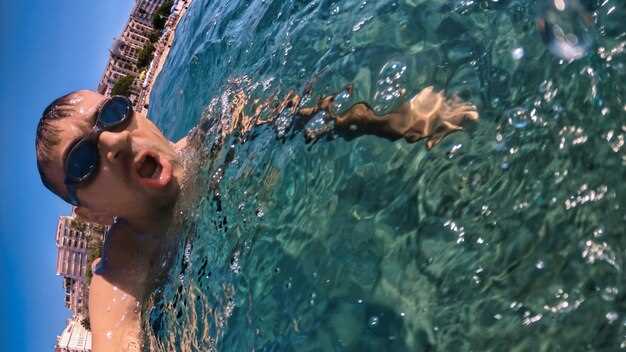 9 Beste Snorkelervaringen in St. Thomas – De Ultieme Onderwatergids">

Start at Coki Beach harbor in calmest morning light, where visibility stretches long and angelfish drift past rocky reefs. Plan a 60–75 minute snorkel loop to gauge currents and adjust pace, then retreat to shade for a quick sip of water. This first stop provides stable depth, shallow coral columns, and a compass of schools so mind stays focused on detail rather than distance.
Next, visiting cays near thomas harbor presents colonies of coral and swarms of angelfish patrolling rocky ledges. An additional stop at nearby beachs adds a brief pause to stretch, sip water, and reset focus. This route also reveals tiny cleaner shrimp, and a 40–60 minute snorkel here suits travelers seeking a deeper look at reef architecture, with visibility high in the morning and currents typically calm by midday.
For a long, personalized experience, choose a guided session that tailors depth and route to your skill level. Look for a 75–90 minute schedule with a brief safety briefing, gear check, and a planned stop to observe angelfish schooling around rocky outcrops. Looking for a route tailored to your mind and interests yields deeper insight into reef design and life patterns.
In deeper zones, rocky drop-offs host barracudas and rays; maintain distance. Choose sites with long sunbeams slicing through water to reveal vivid color on coral. A 50–70 minute session allows a surface interval and perhaps a second stop near a sheltered cay to spot juvenile snapper schools over sandy flats.
Another option spans calmer coastlines where currents ease, exposing macro life such as tube worms and octopus. These harbor-edge spots offer a chance to photograph shy creatures in mere inches of water. Visiting early or late in the day increases visibility for close-ups over reef textures, creating vivid memories of colored parrotfish and angelfish.
Plan a multi-stop route with total duration around 2.0–3.0 hours to keep energy high and avoid fatigue. A flexible pace helps adapt to currents, light, and wind. Also, keep a mental map of locations, channels, and cays to optimize routes and minimize backtracking.
From a mindful perspective, selecting gear and pacing yields sustainable, personalized adventures. By checking local tide charts, you improve visibility and reduce surface glare, while enjoying macro glimpses of angelfish, parrotfish, and tiny crustaceans. A final, quiet stop over ocean reflections lets you close this chapter and plan future visiting thomas routes.
Narrow, practical plan for exploring St. Thomas’s underwater world
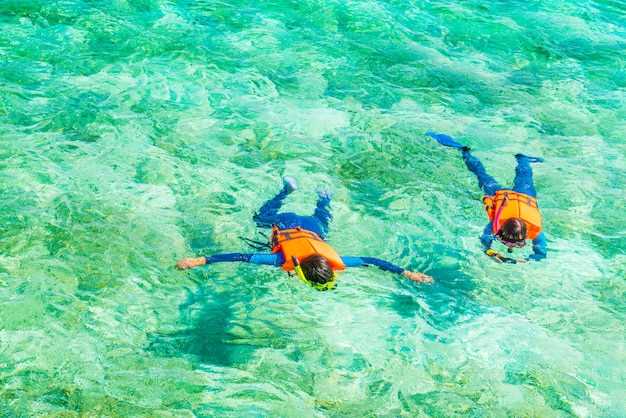
Begin with this direct recommendation: hire a compact powerboat at dawn from magens harbor, then motor across crystal waters toward sheltered reefs. youll enjoy maximum visibility and the chance to spot lobster, rays, and turtles before crowds arrive. theres a calm window to start, within this plan this morning offers an unforgettable opening, and you can also maintain a steady pace without rushing.
Three anchor stops ensure coverage: first, a shallow reef near harbor for easy entry; second, a mid-depth drop-off across from the harbor where ledges attract fish; third, a covered sand shelf where you can pause, swap air, and enjoy views of schooling fish. snorkeler can move deliberately and look for rays and lobster pockets in crevices. across the route, trees line the shore and the waters stay clear, making the experience feel seamless.
Within this plan, timing is key: morning isnt the only window, though calmer seas are most common at first light. If conditions shift, shorten the loop to two sites and return to harbor, then join a different leg later. carry complimentary water and sunscreen, plus a dry bag; after the last stop, you can sample wine on the deck while reviewing photos. excursionsst options at the marina offer add-ons, but this plan allows you to stay flexible and still cover key habitats.
Equipment and safety: bring mask, snorkel, fins that fit well, plus a small dry bag. The harbor location allows quick returns if weather worsens and keeps the trip away from crowded bays, while the approach itself can combine several spots with a single launch. this plan eliminates wasted time on boats while maximizing site variety, keeping you across different habitats with maximum exposure to underwater life. always respect local rules and avoid touching corals. If you want to extend the day, magens can serve as a midpoint to switch to another shallow run and keep moving, with the option to enjoy a complimentary wind-down break back at the harbor.
Shoreline Snorkel Spots for Beginners and Easy Access
Start at Coki Point Beach for easy access, shallow entry, and clear water. Food trucks nearby support a full morning or extended afternoon outing, especially for families planning a calm day around fish and coral. Visibility in calm conditions often reaches 20–40 feet, with a blue surroundings framed by rocky shoulders along a sheltered reef.
- Coki Point Beach – sandy entry, gentle slope, and a protected reef zone just offshore. Visibility commonly reaches 20–40 feet in morning calm, with blue water and vibrant coral heads ideal for first-timers. Location is within quick reach of parked cars, and private charters can drop you off for a private session before lunch.
- Magens Bay Beach – long, crescent shoreline with shallow, forgiving water near shore. Reefs extend a short distance, creating reliable sightings for beginners. In morning hours, visibility improves and you’ll see generous color variety among parrotfish andunki wrasse, great for a relaxed full or half-day plan.
- Sapphire Beach – turquoise, sapphire hues frame a protected bay. Shore access is straightforward, with palm-fringed margins and easy stepping stones to shallow reefs. In morning or late afternoon, visibility stays solid and wildlife keeps to view, perfect for families and short loops.
- Lindquist Beach (Smith Bay Park) – calm, sandy approach with gradual drop-off. Stairs or boardwalks simplify access, while water stays clear within a close range of shore. Surrounding water features light currents, making it simple to stay within comfortable limits for beginners.
- Morningstar Beach – convenient for resort guests and locals alike. Morning light smooths water and keeps visibility steady, letting you see a variety of reef life close to shore. Afternoon turns sometimes windier, so planning a morning session may be ideal for many visitors.
- Hull Bay Beach – a quieter spot with steady, gentle surf on calm days. Easy entry zones and a protected reef patch draw beginners, while the surrounding blue water provides a reliable backdrop for simple snorkel loops during morning hours or a relaxed sunset finish.
- Secret Harbour Beach – sheltered cove with shallow depth and soft sand, great for slow, extended sessions. Visibility remains solid in morning and again in late afternoon; private setups or small-group charters offer flexible drop-off points, increasing options for what youve seen along this coast.
- Mangrove Lagoon (Mangrove surroundings) – shallow channels among mangrove roots invite safe exploration for beginners. This spot rewards careful planning and flexibility, as you can drift along within protected pockets and observe small fish and crabs moving through murky-to-clear patches. For a full day, mangrove terrain pairs well with nearby blue-water views and framed reflections in shallow bays.
Whats more, each location around thomas island offers nearby access points so you can adjust plans on the fly. Youve got options to pair morning sessions with afternoon explorations, or to pause for food and rest and resume when currents allow. Private arrangements or charters often extend snorkel windows beyond shoreline limits, enabling longer experiences without sacrificing safety or visibility. For families, these spots provide easy access, clear water, and protected zones that let beginners build confidence while still enjoying vibrant marine life during sunrise or sunset views.
Boat-Based Snorkel Trips with Reef Highlights and Convenient Gear
Recommendation: book a private morning tour on a compact fleet that includes mask, snorkel, fins, and life jackets; an early departure yields calmer surface conditions, clearer water, and extended reef time.
Route highlights typically pass through a sheltered lagoon to the reef edge, with the chance to swim through framed formations of coral and schools of tropical fish. Visibility is clear in the morning, and currents stay manageable near the edge; for a snorkeler, these conditions are welcoming.
Gear and on-board convenience save time: equipment is stored on deck, quick rinse options exist, shaded seating is available, and drinks flow between swims. Keep your feet relaxed on the surface and use the fins to glide with minimal effort; safety lines keep you in position near the dyke and reef walls.
Crew and safety: thomass and john lead the boat, with a british crew providing a concise briefing and ready safety equipment. Those seeking flexibility can tailor the stops, and extended tours offer extra reef time. The setup typically allows you to photograph through frames of coral while moving at a comfortable pace.
Booking notes: christmas slots and off-season itineraries are available, and private tours can adapt to early starts or late returns. If fitness is a concern, choose a route with shorter swims and rests between sections; this opportunity suits travelers looking for a relaxed tour along the lagoon, dyke, and edge while enjoying an extended surface view.
Protected Areas and Reefs: Where to Expect Clear Water and Dense Life
Go to mangrove-fringed coves on western shores at dawn for pristine water and full visibility; thats when dense life has a chance to show up and memorable sightings occur.
Protected areas, framed by healthy reefs, often yield pristine water and sheltered vantage points, with sightings of such species as spotted grouper, parrotfish, and rays gliding by; smith locals share these sightings.
Take a short tour that explores shallow reef flats and mangrove channels; take right along mangrove edge to reach calmer pockets; this option provides a convenient route to reach rich habitats without crowds. also, smith locals share maps showing preferred routes along these coasts.
Locals emphasize observing from safe distances; food and snacks attract activity around reefs, though mind the impact and avoid feeding; thats approach yields full sighting potential without disruption.
magens offers a practical anchor, with shallow, clear water and dense life suitable for frame-worthy moments; sarandë adds another option for a calmer backdrop, though currents reaches varying strengths.
Morning calm after light winds offers highest clarity; carry a mask and fins, plus a spare snack, to stay comfortable and mindful of physical currents and wildlife. Something simple: move slow and mind the moment.
Key Marine Life to Observe: Turtles, Reef Fish, Rays, and More

Boek zonsopgang powerboat charters over magens voor het spotten van schildpadden; dergelijke opties bieden onvergetelijk licht op koralen en een soepele, weinig storende drift.
Let uw afstand en observeer vanuit een respectvolle 3–4 m bij het naderen van coki. Groene en karetschildpadden komen boven water langs zeegrasranden en rond koraalriffen; fotografeer vanaf de zijkant om schittering op hun schilden te voorkomen, zodat ze kalm blijven.
Rotsvissen kleuren het best in het juiste licht langs verticale doorbraken en riffmuren. Zoek naar papegaaivissen, chirurgvissen, wrassetten en snoekpoppen terwijl scholen om richels zwemmen; houd je handen van het rif en laat ze naar je toe komen.
Arendroggen en zuidelijke stingroggen glijden over zandige plekjes, vooral in de buurt van kerstkusten en de buitenste rifplaten. Bekijk hun gladde bogen vanuit een stabiele positie in ongeveer 1–2 m water; een langzame drift met de stroom vergroot je kans op waarnemingen.
Koralen verankeren het tafereel: hersenen, ster, elkhoorn en waaierformaties bieden onderdak aan damselfish en kleine wezens. Identificeer dergelijke structuren op thomas-locaties zoals coki en magens, en let op hoe het licht over de polypoppervlakken speelt gedurende de ochtend.
Om uw dagen te plannen, leest u recensies van andere duikers en reizigers die meerdere opties hebben getest. Locaties over thomas- en nabijgelegen eilandjes bieden meerdere uitkijkpunten; sommige charters stellen reisschema's samen om aan de juiste omstandigheden en kortere afstanden te voldoen, zodat u minder stroming tegenkomt en meer foto's kunt maken. Dankzij deze aantekeningen kunt u een programma kiezen dat past bij uw conditie en schema, terwijl u tegelijkertijd geniet van thomas-achtergronden die zich afgelegen maar toch toegankelijk voelen.
Snacks aan boord houden de energiepeil hoog tijdens lange routes; er is geen haast - neem de tijd, respecteer de dieren in het wild en geniet van de kleuren gedurende de dag.
Gear, Timing, en Veiligheid: Een Praktisch Dagplan voor Snorkelers
Huur de avond ervoor een geoptimaliseerde maskeer en vin-set bij een gerenommeerde winkel en boek een kleine charter voor een dagplan. Ontmoet elkaar om 08:00 uur in de haven; korte veiligheidsinstructie; uitrusting wordt door de bemanning verstrekt; controleer of de masker goed aansluit en de vin-set goed past.
Pak een lichte tas in: 1 liter water per persoon, lunch, reef-safe zonnebrandcrème, droge tas voor waardevolle spullen. Controleer of de snorkel een uitblaasventiel heeft; neem indien nodig een reserve mondstuk mee; zorg voor toegang tot de uitrusting die door de charter wordt verstrekt; houd het tempo aan met je buddy.
Ochtendplan: De riffen van Sapphire Cays bieden heldere uitzichten; volgende stop de plekken van Buck Island; sessies zijn beperkt tot 50–60 minuten; houd een afstand van 6–8 meter tot je buddy aan; het spotten van octopussen is mogelijk in rotsachtige plekken.
Veiligheid: werk altijd samen; blijf dichtbij, vermijd contact met koralen of dieren in het wild; indien stromingen toenemen of het zicht afneemt, afbreken en terugkeren naar het voertuig; signaleer met fluitje of fel befloat; bewustzijn van kwallen is belangrijk.
Lunchpauze: Lunch op rustige strandgebieden of een parkachtige plek; na de lunch, tweede sessie in de buurt van Gorda Cay en naburige eilandjes; toegang tot riffen blijft sterk; wat er daarna gebeurt hangt af van de omstandigheden; veel locaties worden bezocht met kalm water. Lunchopties aan wal kunnen water en optioneel wijn omvatten.
Cruise in port: Als cruiseschepen in de haven liggen, is het volgende om over te schakelen naar rustigere baaien; de starttijden aan te passen en kortere sessies te kiezen; houd de tas klein; dit helpt om toegang te krijgen tot plekken zoals Sapphire, Buck, Gorda en Cays.
Na de dag: uitrusting goed naspoelen; aangeboden reinigingsstappen; in de schaduw bewaren; bij de bemanning checken waar je het kunt afleveren; источник