


 Nederlands
  English (UK)
  Русский
  العربية
  日本語
日本語  한국어
한국어  Magyar
  Türkçe
  Español
  Čeština
  Svenska
  Português
  Ελληνικά
  Suomi
Suomi  Română
  Italiano
  Français
  Polski
  Українська
  Deutsch
  简体中文
简体中文  Slovenčina
 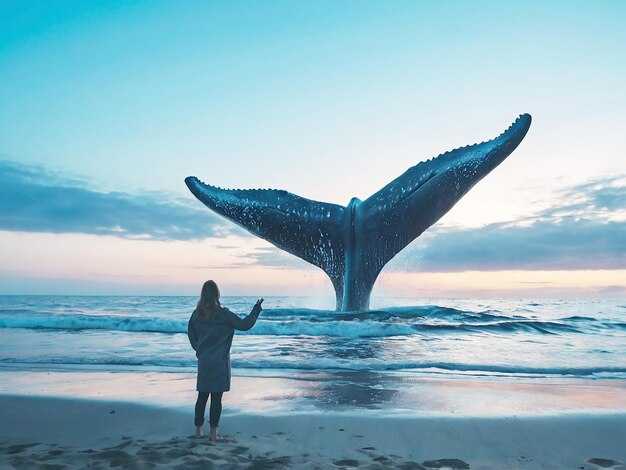 12 Best Whale Watching Tours in Cabo San Lucas | Top Picks">

Book a dawn charter with licensed operators and follow the captain’s safety briefing. These early sails maximize sightings, stay within open waters, and keep the experience comfortable and well-paced.
Year-round options exist, yet the most reliable sightings come during winter through spring when several cetaceans migrate along the coast. These choices vary in vessel types–from panoramic catamarans to agile Zodiacs–that influence stability and comfort on choppier days. Check the weather forecast, and pick one with ample shaded deck space to stay comfortable even as the seas kick up. There are tons of alternatives, so consider which setup fits you–speed, range, and crew knowledge.
Turtles may be seen near reefs during surface intervals, adding variety to the day. Leading operators provide narrated sightings so you can really follow the behavior of pods, tail slaps, and breaching displays without disturbing wildlife. Within each voyage, ensure your vessel has comfortable seating and shaded areas to maximize enjoyment; these opportunities stay engaging for families and solo travelers alike.
When you contact operators, confirm open dates, pickup points, and what’s included–snorkel gear, refreshments, and bilingual guides; ask about meeting points and transfer times. Laws emphasize respect for marine life and limits on engine noise; however, stay within respectful distances to protect the earth and ensure the vessel remains safe. If seas are rough, be prepared to switch to a shorter ride or reschedule; weather conditions can shift quickly, so choose a flexible itinerary that minimizes risk and maximizes chances of a memorable encounter.
Within each option, look for operators with transparent safety records, clear cancellation policies, and vessel maintenance logs. Follow the captain’s instructions, stay aware of your surroundings, and contact staff if you need a drink or a towel. The right day brings calm waters, favorable weather, and the chance to see multiple species–a really amazing experience that connects you to the sea year after year.
Whale Watching in Cabo San Lucas: A Practical Guide
Here is a concrete recommendation: book a small-boat charter with a licensed captain who limits guests and follows established rules; this keeps crowds down and increases the chance for a respectful, close encounter with curious cetaceans.
Choose a trip operating from cabos, preferably a half-day option starting early to catch the most promising hours; calm mornings offer the most possible opportunities to see jumps, spouts, and calving on many days.
For snorkeling enthusiasts, select operators with stable platforms and clean gear; a crew that speaks spanish can help interpret playful surface behavior and signals from the sea, and a captain committed to keeping distance ensures a respectful, safe experience.
Weather matters: windy days reduce visibility, and crowded decks increase stress for the animals; given conditions, be prepared to reschedule to keep the encounter natural and safe.
Look for predictable signals: calving, playful splashes, and surface escorts are more common when the herd is in sheltered areas; if you heard distant spouts, let the captain position the vessel for seeing, not chasing.
Weigh the duration: a half-day trip often delivers a focused, perfect experience, while full-day options can be generating more encounters but may feel crowded and tiring.
To save the memory for future days, follow guidelines: keep distance from animals, don’t chase, and turn off engines when they surface; respect rules to protect nature and reduce disturbance.
Ask for a respected guide or captain with a history of safe operations; found in reviews and safety audits, ensure the outfit publishes standards, uses a spanish-language crew, and maintains high-quality gear–this helps you weigh decisions and avoid rough experiences.
Bring sunscreen that won’t wash into the water, a hat, water, a camera, and binoculars; use polarized lenses for better seeing of surface actions, including jumps and tail slaps, while staying mindful of the increasing crowd dynamics around you, and keep an eye out for natural sounds and movement.
Given this approach, the atmosphere in cabos becomes a killer experience where nature dominates; with the right captain and guide, you can have a perfect, memories-worthy day and help ensure the experience remains available for generations to come.
12 Best Whale Watching Tours in Cabo San Lucas – Top Picks; Is Whale Watching in Cabo Regulated
Recommendation: choose Coastal Explorer, a guided, regulation-compliant cetacean-sighting experience with an on-board guide; when seas are calm, it delivers close views while caring for the animals. Present features include a 6-passenger catamaran, depart times 08:15 and 11:45, duration 2.0–2.5 hours, price around 95–120 USD, wheelchair accessible deck, 100-meter stay distance rules, live narration, and observations of birth calves and pod formations; this option, which emphasizes safety and education, stays ahead in care for wildlife.
Option 2: Ocean Pearl, a 38–40-foot craft, features shaded seating and a stable ride; departures at 07:40 and 10:00; durations 2.5 hours; capacity up to 38 guests, though many departures keep small groups for closer experiences; guided narration (spoken in English and Spanish) presents insights into cetacean behaviors, feeding, social interactions, and, during peak season, birth events; extras include a soft-landing platform for near vantage points, wheelchair access on select itineraries, and a strict distance policy; care for wildlife is stressed throughout; which makes it a strong choice for families and photographers.
Option 3: Blue Horizon RIB is a fast, small-group craft for early hours, max 8 guests; depart 06:30; duration 1.5–2.0 hours; high-speed approach to pods where you can see left and right flanks and formations; guided narration focuses on patterns of behavior and signaling; engine noise minimized to keep loud disturbances low; weather dependent; times may change; price 90–130 USD; when seas cooperate, this option presents rapid, exhilarating experiences.
Option 4: SeaSpray Classic – two-level catamaran with broad deck; depart 07:20 and 09:40; duration 2.0–2.75 hours; group sizes mid-range; features: on-board guide providing spoken commentary about pods’ behaviors and feeding; left- and right-side viewing windows; upgrade includes a light breakfast; wheelchair access on main deck; times can change with wind; care for wildlife emphasized; prices 110–150 USD.
Option 5: Dawn Seeker – mid-size vessel 26–32 ft; depart 05:50; duration 2.0 hours; features: bilingual guide, live narration, close-up looks at small calves; births documented when observed; front-row seats; care for wildlife; drop-off is optional at peak times; price 100–140 USD; here the emphasis is on calm seas and brief segments; sometimes times shift by season.
Option 6: SeaVista Explorer is a 30–40 ft catamaran with a broad deck for a magnified view; depart 08:30 and 12:00; duration 2.75–3.25 hours; capacity about 30; features: naturalist guide, spoken commentary, pods staying in stable formations; they emphasize never chasing; 100-meter rule; wheelchair access on main deck; price 110–170 USD; over the course, care remains priority.
Option 7: Island Light Cruise – smaller vessel with intimate setting; depart 07:15; duration 2.0 hours; capacity 6–12; features: guide with deep knowledge about behaviors and birth cycles; close photography opportunities; left- and right-side viewing; spoken commentary; price 95–125 USD; accessibility limited but possible with assistance; here the presence is kept low-impact.
Option 8: Pacific Glide – mid-size power catamaran with raised bow; depart 06:50; duration 2.25 hours; capacity 20–26; features: guided interpretive talk focusing on changing formations and behaviors; data-driven observations; liferafts and safety gear; drop-off at pier after trip; wheelchair access on lower deck; price 105–155 USD; the crew notes that times can shift with tides and sun angle.
Option 9: Sierra Star – long-range cruiser; depart 08:00; 3.0 hours; capacity 26–32; features: experienced guide, bilingual commentary; observe pods from multiple angles; magnificent views; tons of spray; when conditions permit; care and safety prioritized; live narration; price 120–170 USD; stay on deck allowed for most guests.
Option 10: Coastline Whisper – quiet, eco-friendly electric-hybrid vessel; depart 08:40; 2.0 hours; capacity 18; features: silent approach; spoken commentary; formations preserved; here the naturalist points to habitats near the coast; price 130–160 USD; accessibility on main deck.
Option 11: Golden Wave – large group vessel; 40–50 ft; depart 07:10; 2.5 hours; capacity 40–50; features: magnificent vantage; tons of spray; care for wildlife; live sightings; calves and seasonality; close approach policies; drop-off offered at pier; wheelchair access on main deck; price 90–120 USD; times vary with wind.
Option 12: Regulation & Safety – Is this activity regulated? Authorized outfits hold permits; boats must maintain a safe distance from cetaceans (commonly around 100 meters, with smaller margins under certain conditions); idle engines required to minimize noise; no feeding or pursuing; on-board naturalists or guides must be qualified; operators are required to provide safety briefings and accessibility options; here, you can check that your chosen experience adheres to a current permit and a care plan; regulations can change with seasons, so ask about recent updates before booking; in practice, choose a place with transparent rules, and avoid silent or careless operators, which ruin experiences for others and for the animals.
Vessel Types: Zodiac, Catamaran, and Luxury Yacht Options
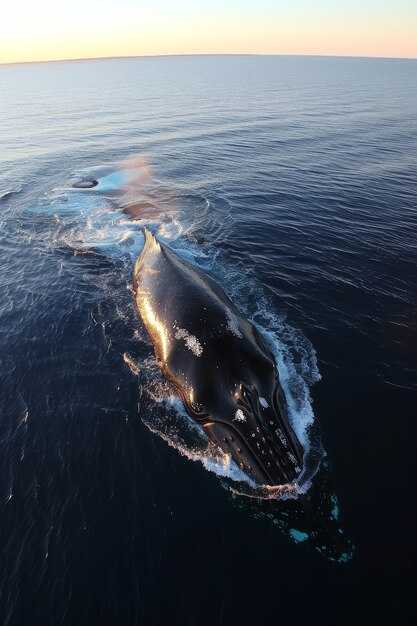
Recommendation: For mixed needs and groups arriving with friends, a catamaran option offers stability, ample deck space, and a social layout–making it a sensible first choice for a coastal tour.
Zodiac boats deliver speed and access to tight coves near the beachfront, with up to 12 visitors per trip. They excel for short, active outings and are typically more affordable, aligning with laws that regulate fishing and wildlife interaction. Guides on board speak about safety and local regulations before departure.
Catamarans provide a stable ride, wide decks, shaded lounges, and room to mingle, making them a combo of comfort and capacity for groups of friends or families. Including snorkeling gear and a gentle pace, these vessels often connect with shore stops at marina piers and beachfront coves. Prices reflect length of stay and port fees; wheelchair-friendly boarding is common on modern boats, helping visitors with needs.
Luxury yachts deliver personalized service, boutique touches, and flexible itineraries tailored to small groups. This option joins private crews, whom guests connect with for a tailored day, including on-board dining and reserved marina passes. Government permits govern wildlife viewings, and captains speak about whaling history and conservation before departure. A charter can be shared with friends or kept strictly private, offering a highly customized experience.
| Vessel Type | Typical Capacity | Pros | Accessibility | Prices | Best For |
|---|---|---|---|---|---|
| Zodiac | 6–12 guests | Speed, access to coves, shallow reefs | Limited boarding; some models wheelchair-accessible | Low–mid | Short, active outings near the marina |
| Catamaran | 20–60 guests | Stable ride, shaded decks, room to mingle | Usually wheelchair-friendly on newer units | Mid | Be beachfront views, snorkeling, social groups |
| Luxury Yacht | 2–20 guests | Gepersonaliseerde service, privéroutes, catering aan boord | Volledig aanpasbare toegang op vele vaartuigen | High | Privédag met vrienden, boutique-ervaring |
Waarnemingenvenster: Piekmaanden, Weer en Gedrag van Walvissen
Aanbeveling: Richt je op eind december tot en met maart voor de sterkste aanwezigheid langs de zuidelijke kust van Baja; je kansen stijgen van januari tot en met maart. Reserveer een uitstapje van 3 uur in de ochtend of vroege middag wanneer de zee doorgaans kalmer is, en houd een flexibele optie open voor het geval het weer annulering vereist.
- Hoogseizoen en aanwezigheid: december–april, met hogere activiteit januari–maart; kalveren vaak gezien februari–maart; migratie- en foerageergebieden komen in deze periode samen in de buurt van de kustlijn van de staat (gebied).
- Weer en zeecondities: ochtenden met lichte winden onder 15 knopen en een kalme zee maximaliseren de zichtbaarheid; middagen kunnen zorgen voor golfslag en schittering die de kansen verminderen. Monitor informatie van источник voor updates; plan voor neutrale omstandigheden als voorspellingen een mogelijke verschuiving laten zien.
- Gedrag en voedingspatronen: verwacht activiteit aan de oppervlakte zoals doorbraken, staartslagen en korte duiken; kalveren blijven doorgaans in de buurt van volwassenen gedurende februari–maart; voedingsduiken vinden plaats wanneer scholen prooien aanwezig zijn; duikcycli variëren maar duren vaak 2–6 minuten op actieve dagen.
- Richtlijnen en veiligheid: houd u aan de lokale richtlijnen en de aanbevelingen van Semarnat; bewaar een respectvolle afstand, vermijd het achtervolgen en zet de motoren even uit wanneer dieren naderen; wijs uitkijkpunten aan die zorgen voor veilige, rustige observatie; voer of lok nooit.
- Planningstips en -opties: kies een tijdslot van 3 uur om rekening te houden met weersveranderingen; boek vroeg om zeker te zijn van een plek en geef de voorkeur aan aanbieders met een duidelijk annuleringsbeleid; sessies in de middag kunnen dienen als back-up als ochtendtrips worden geannuleerd; zoek naar aanbiedingen die bijdragen aan reservaten of natuurbehoud omvatten.
- Praktische tips en geldzaken: controleer informatie over het reservaat en de jurisdictie; sommige aanbieders bieden flexibele annuleringen of gedeeltelijke terugbetalingen als het weer roet in het eten gooit; vergelijk opties op basis van waarde, niet alleen prijs.
- Observatie aanwijzingen en mening: Uw observatie kan aantonen dat vogels bij zonsopgang zingen nabij de kust, wat gunstige kijkcondities signaleert; in werkelijkheid leveren kalme ochtenden vaak de rijkste oppervlakteactiviteit op; neutrale houding ten opzichte van ochtend versus middag blijft van kracht totdat voorspellingen concreet worden.
Informatie en planning referentie: bronnen zoals SEMARNAT richtlijnen en regionale wildlife samenvattingen helpen bij het identificeren van de meest betrouwbare kruising van migratieroutes en voedselgebieden; gebiedsverschuivingen komen vaak voor met stromingen, dus controleer recente rapporten voordat u boekt; annuleringsvoorwaarden variëren per aanbieder, dus controleer details voordat u betaalt.
Prijzen, Inbegrepen Diensten en Waarde bij de 12 Tours
Kies een uitstapje in het middensegment dat uitrusting, een erkende gids en transfers combineert; het biedt het minste risico en een optimale balans tussen hulp, inbegrepen services en de kans op waarnemingen voor een bepaald budget.
Prijzen variëren doorgaans van ongeveer 60 tot 180 per persoon, in USD of lokale valuta, waarbij de variatie wordt bepaald door de afstand tot de belangrijkste zones, de lengte van de reis en inbegrepen extra's zoals snacks, drankjes en commentaar.
Kerninbegrepen per niveau: de basisopties omvatten water en lichte snacks met een getrainde gids; add-ons in de middenklasse omvatten een verrekijker, reddingsvesten en een kort snorkelmoment; premium keuzes ruilen duikuitrusting in, langere tijd op het water en een groter, stabieler vaartuig in de wateren van de golf.
Waardedrijvers omvatten langere routes richting toplocaties in de wateren van de Golf, de afgelegde afstand en de dramatische achtergrond van kliffen; extra's zoals ophaalservice vanaf de thuishaven of meertalige bemanning voegen gemak toe.
Om te voorkomen dat je te veel betaalt, zoek vooraf naar extra kosten; als je op zoek bent naar een droommoment, bevestig dan dat de inbegrepen items essentiële zaken dekken zoals uitrusting, gids en foto's; kies voor een fysieke tocht een route met voldoende dekruimte voor een lange wandeling.
Praktische tips: ga voor een tour in het middensegment met boot, gids, basis snorkelmateriaal en foto's achteraf; vermijd de goedkoopste optie als stabiliteit belangrijk is en sla de duurste over als je niet wilt duiken.
Tips: controleer de annuleringsvoorwaarden, bevestig het verwachte aantal waarnemingen, lees recensies over de taal van de bemanning en de veiligheid; als je een dramatische achtergrond wilt, ga dan de wateren van de golf in voor meer betekenisvolle waarnemingen.
What to Bring, Dress Code, and Onboard Etiquette

Pak een compacte, waterdichte laag en zonnebrandcrème in voordat je vertrekt. De ochtendzee langs de Mexicaanse Pacifische kust kan winderig zijn met snel veranderend licht en spatwater, dus plan om comfortabel te blijven gedurende de hele cruise.
Wat mee te brengen: een verrekijker met minstens 8x vergroting, een camera met zoomlens en extra geheugenkaarten, een volledig opgeladen powerbank, een herbruikbare waterfles, snacks of eten, middelen tegen reisziekte indien nodig, lippenbalsem met SPF, een lichte regenjas, een hoed met brede rand, een zonnebril met UV-bescherming en een kleine waterdichte tas voor waardevolle spullen. Pak de spullen in een weerbestendige zak in, zodat alles droog blijft als er opspattend water aan boord komt.
Kledingvoorschrift: ademende, sneldrogende lagen die je kunt toevoegen of verwijderen naargelang de temperatuur verandert, een winddichte jas voor vroege vertrekken, comfortabele schoenen met gesloten neus en goede grip, lichtgekleurde kleding om warmte minder vast te houden en regelmatig opnieuw aangebrachte zonnebrandcrème. Vermijd zware sieraden en zorg ervoor dat waardevolle spullen veilig zijn opgeborgen om verlies te voorkomen tijdens een plotselinge rol van de boot. Als de wind draait en het zeil gezet wordt, pas je voetenwerk en kleding daarop aan.
Etiquette aan boord: luister naar de bemanning tijdens veiligheidsinstructies; volg officiële signalen en regels, vooral wanneer het vaartuig vertrekt. Blijf zitten of beweeg langzaam wanneer geadviseerd, vermijd leunen over relingen en benader nooit wilde dieren. Houd een veilige afstand van roggen en ander zeeleven; de bemanning kan afstanden meten of begeleiden om dieren te beschermen – volg hun aanwijzingen. Gebruik zachte stemmen, zet telefoons uit of op stil en houd gangpaden vrij voor noodtoegang. Voer of raak geen wilde dieren aan en gooi afval op een verantwoorde manier weg. Indien zeeziek, informeer een bemanningslid in plaats van zelfmedicatie met onbevestigde methoden. Houd het geluidsniveau laag om zowel medereizigers als het milieu te respecteren.
Het is belangrijk om een verantwoordelijke aanbieder te kiezen. Zoek naar een bekende aanbieder die de nadruk legt op bewustwording van natuurbehoud en milieuvriendelijke praktijken. Controleer vóór aanvang van de reis het schema en de officiële starttijd van de cruise; vergunningen en veiligheidsbriefings maken deel uit van het proces. De ervaring kan geweldig zijn wanneer reizigers het milieu respecteren en de regels volgen terwijl ze genieten van het leven in de oceaan. Als u op zoek bent naar de grootste concentraties van activiteit, wees dan geduldig en laat waarnemingen op hun eigen voorwaarden verschijnen; respecteer de ruimte die de wezens innemen en de instructies van de bemanning.