


 Nederlands
  English (UK)
  Русский
  العربية
  日本語
日本語  한국어
한국어  Magyar
  Türkçe
  Español
  Čeština
  Svenska
  Português
  Ελληνικά
  Suomi
Suomi  Română
  Italiano
  Français
  Polski
  Українська
  Deutsch
  简体中文
简体中文  Slovenčina
 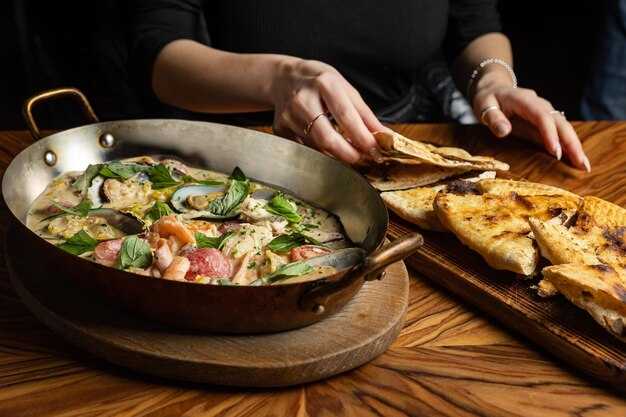 11 Best Recipes to Cook on a Boat – Easy, Tasty Onboard Meals for Every Voyage">

Begin with a simple, reliable recommendation: here is a one-pot couscous dish with grilled vegetables to kick off every voyage. This classic setup keeps prep tight, cooks on deck in minutes, and delivers a tasty start for the dining table wherever you drop anchor.
Pack essentials in a compact kit: powder spice blends, dried herbs, and a few cans of tomatoes and beans for quick dishes. Build ingredients for four to six people, including salt en saltiness balance, citrus to brighten, and hearty chunks of vegetables or fish. Zomer trips benefit from light italian-tinged flavors that still survive a breeze, and a small club of cooks can rotate roles so the chef stays fresh and the crew stays fed. Once you map two meals ahead, you can skip extra trips to the cooler.
Onboard technique matters for expecting guests: use a sturdy pan with a lid, preheat, then stir in chunks of meat or fish, dried herbs, and a splash of olive oil. Italian influences shine in a tomato- and herb-based sauce, while dishes can be built around grains like couscous for a lighter base. Keep portions moderate so nothing becomes heavy in the heat, and aim for crisp vegetables and tender fish to preserve texture on rough seas.
When the day winds down, plate from a small club of friends and share a simple, tasty spread. The plan is to keep flavors bold and ingredients flexible so you can swap in dried tomatoes or a pinch of powder curry without losing speed. By keeping things here and now, every voyage becomes a string of easy, enjoyable meals.
Smart Onboard Cooking: How to Get Tasty Meals with Limited Space and Gear
Use a single 12-inch skillet and a small pot as your core gear; add a folding cutting board and a slim cooler. This ideal setup fits limited space, keeps the workspace clean, and delivers good meals after a long day at sea. For the best flavor, plan each dish to finish in the pan and leave minimal cleanup.
Prepare tuna melts on bread slices: layer tuna with a light spread and a quick melt until the tops glow. Then toss peppers and squash with a pinch of chili and a splash of olive oil; simmer until tender and the flavour absorbed. Prepare couscous as a fast base: pour boiling water, cover, and wait just 5 minutes; fluff and mix in chopped herbs or greens to add colour. Serve with a bread slice on the side for texture.
Serve with a simple fresh salad on the side; keep plates ready and toss the salad with lemon dressing to brighten colour. Bananas provide a quick dessert: warm banana slices with a light sugar dusting; a pastry twist uses ready pastry, or serve with yoghurt. Leave room for more options to suit everyone’s preference, so everyone on board gets something they like; let the people aboard choose a favourite.
Mark meals by course to simplify timing; carefully manage heat to keep flavours absorbed and vibrant. This approach supports dining for everyone and keeps large portions handy in the cooler. Also, use bread slices for quick breakfasts or sides, and keep colour fresh with peppers, squash, and couscous as reliable pillars.
One-Pot Dishes: Minimal Cleanup and Quick Cooking
Use one pot for meals: there is no need for multiple pans; sauté onion in oil, then frying garlic until fragrant. When aromatics perfume the cabin, add stock and a splash of wine, then toss in your chosen ingredients and simmer. This approach is easy, quick, and minimizes cleanup, perfect for a boat kitchen where space is limited. Keep the heat gentle and cover to finish, without rushing the simmer.
Optie: Tomaat, olijven en kip uit één pan. Kruid de kip met zout en peper en bak hem vervolgens bruin in de pan met een beetje olie – dit vlees blijft sappig en smaakvol. Haal de stukken eruit, fruit de ui kort en blus af met wijn. Doe de kip terug, voeg tomaten uit blik, een handvol gedroogde olijven, bouillon en een theelepel gedroogde tijm toe. Laat 12-15 minuten sudderen tot het vlees zacht is en de saus dikker wordt. Doe er een kneepje citroen bij als je het hebt, of een scheut zuur om de smaken op te fleuren. Ze zullen de eenvoud waarderen; dit is een geweldige optie voor een vermoeide bemanning na een lange dag. Een walvisvaarder zou deze aanpak goedkeuren als een betrouwbare, draagbare maaltijd die je eenvoudig kunt maken. Probeer het alstublieft.
Snelle ideeën voor variatie: ideeën zoals het gebruik van bonen uit blik, tonijn, of andere eiwitten uit blik werken goed met dezelfde methode. Fruit ui, voeg je gekozen eiwit of bonen toe, gedroogde olijven, tomaten en bouillon. Breng zachtjes aan de kook, roer een theelepel zout erdoor en kook tot de granen of pasta zacht zijn. Meng er groenten door voor kleur en eindig met een scheutje zuur als je dat lekker vindt. Serveer met simpele salades erbij. Deze optie zonder bladerdeeg houdt de schoonmaak minimaal en voelt nog steeds geweldig als je moe bent, en ik raad het aan voor zeilers die maaltijden willen die snel in elkaar zitten, zonder extra pannen om af te wassen.
Dekvriendelijke ontbijten: Een snelle, vullende start van uw zeiltocht
Maak een 5-minuten omelet in de koekenpan: klop 2 grote eiwitten met 1 eetlepel yoghurt, meng er bonen, maïs, olijven en een snufje chili door; roer met keukengerei, giet in een hete pan en bak tot het net gestold is, vouw het dan dubbel om een romige laag te vormen; als het klaar is, volledig gaar voor een snelle, eiwitrijke start. Deze aanpak duurt minder dan 6 minuten.
Optie twee houdt het compact: Italiaans-geïnspireerde spiegeleieren op toast met olijven en bonen. Verhit een kleine pan, voeg een beetje olie toe, breek 2 eieren, bak tot het eiwit gestold is, beleg met geprakte bonen, gehakte olijven en een lepel geroosterde tomatensaus; eindig met een snufje gemalen peper en kruiden indien beschikbaar.
Yoghurt-gebaseerde koude optie: schep yoghurt in een kom, meng er geroosterde mais, gehakte olijven en een scheutje chilisaus door; voeg een handvol groenten of een paar blokjes tomaat toe voor de kleur; serveer met simpele salades aan de zijkant om de porties te verlengen terwijl je vaart; pel een citruspartje om de kom op te fleuren voor het serveren.
Voorbereiding en uitrusting: houd blikken bonen, olijven, maïs en een bak yoghurt binnen handbereik, plus een paar mix-and-match sauzen; zet twee favoriete combinaties apart voor je voorkeur, zodat je snel kunt kiezen op een schommelend dek; denk na over wat je bemanning lekker vindt, markeer de favoriete optie voor die moeilijke ochtenden; houd de spullen georganiseerd en was af tijdens het koken, door walvisvaarders goedgekeurde ochtenden zijn meestal snel en bevredigend.
Basisingrediënten en houdbare producten: Inslaan voor lange reizen
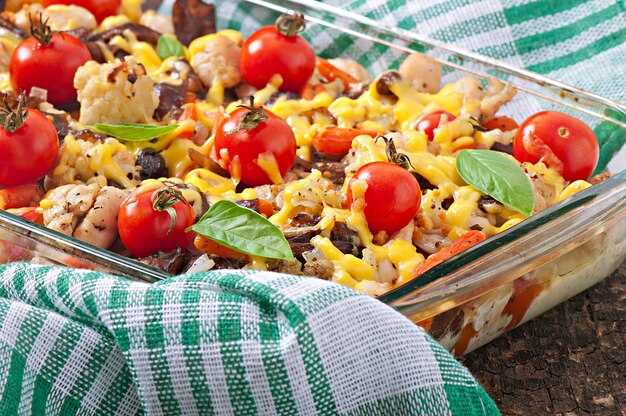
Zorg voor een compacte basisvoorraadkast die elke maaltijd voor twee weken dekt met minimale koeling. Voor vertrek kies je snelle opties die je op een klein bootfornuis kunt koken, zoals pasta, rijst, vis in blik, bonen, tomaten en olijven. Als je voor een bemanning plant, helpt het registreren van items tijdens het laden om proviand en gewicht in evenwicht te houden, terwijl de inspanning laag en de maaltijden smakelijk blijven.
- Granen, pasta en bodems
- Pasta: 3–4 pakken (ongeveer 1,5–2 kg)
- Rijst of couscous: 2–4 kopjes droog per week
- Instant polenta of snelkokende quinoa: 2 dozen
- Brood: meergranenbrood of stevige crackers als bijgerecht
- Bijgerechten: kant-en-klare rijst of groenten om te combineren met hoofdgerechten
- Proteinen en vis
- Tonijn, sardines, zalm: 12–16 blikken/zakjes
- Speklapjes: 2-3 pakken voor een rijke smaak tijdens het bakken
- Bonen en linzen voor vleesloze maaltijden
- Groenten en sauzen (niet-bederfelijk)
- Tomatenblokjes, passata, of tomatensaus: 6–8 blikken
- Bonen en linzen: 4–6 blikken of zakken gedroogd
- Regenboogpepers, olijven, maïs in potten of gedroogde vorm
- Smaakversterkers en bakken
- Olijfolie, of een andere bakolie: 500 ml–1 L
- Gemalen peper, zout, paprika, knoflookpoeder, komijn
- Bloem, bakpoeder, suiker, gist (als je bakt), citroenrasp in potten
- Als je de voorkeur geeft aan lichtere maaltijden, vervang ze dan door bonen of meer groenten.
- Bak een simpel brood om vers brood aan boord te hebben
- Fruit, citrus en zeste
- Citroenen of geconserveerd citroensap: 4–6
- Gedroogd fruit of fruitcocktails op siroop: 3–4
- Afronden qua smaak en serveren
- Mosterd, azijn, sojasaus, hete saus: kleine flesjes
- Kruiden (droog) en specerijenmelanges voor verse, klassieke maaltijden
- Zadenbrood om te combineren met vis of bonen
- Druppel olijfolie over pasta of salades als finishing touch.
- Serveertips: serveer pasta met een kneepje citroen en verse kruiden
- Gereedschap en opslag
- Benodigdheden: stevige lepel, tang, dunschiller, blikopener
- Compacte koekenpan, pot, waterkoker; hersluitbare zakken; een kleine trechter
- Rubberen of metalen spatel voor het bakken van spekblokjes
- Practical tips
- Roulleer de voorraad, controleer de datums en markeer de portiegroottes voor elke avond.
- Houd brood vers op een koele, droge plek, of bak wekelijks een brood.
- Verras gasten met een simpele citroendrizzle over vis of pasta
Slimme tips voor verse producten: Koelkastvriendelijke opslag en bereiding
De beste aanpak is een speciale groente- en fruitzone in de koelkast: een ondiepe bak of twee stapelbare containers die iets van de deur zijn geplaatst om schommelingen in temperatuur te minimaliseren. Plaats grote items zoals paprika's, tomaten en vijf bladgroenten in ademende zakken; houd citroenen uit de buurt van ethyleenzware items om het rijpingsproces te vertragen. Een transparante organizer maakt de voorbereiding van de maaltijden gemakkelijk en voorspelbaar tijdens reizen aan boord.
De voorbereidende stappen zijn simpel: snel wassen, goed drogen en dan naar behoefte snijden of hakken. Sluit de bakjes goed af om vocht vast te houden. Gebruik een vochtige keukenrol in de bakjes om de producten vers te houden; het mengen van kruiden met citruszeste voegt aroma toe. Pak kleine hoeveelheden gemalen specerijen in voor direct gebruik, zodat je nooit naar smaak hoeft te zoeken tijdens het koken.
Vijf praktische bewaartricks: bonen blijven knapperig in een afgesloten bak; selderij en bladgroenten blijven fris met een licht vochtige doek; gesneden tomaten blijven levendig als ze verpakt zijn in perkament en in een bak worden geplaatst; regenboogpaprika's en wortels stapelen rechtop om ruimte te besparen; giet een beetje water in een ondiepe schaal om kruiden op te frissen tijdens lange reizen.
Onboard meals come together fast after prep: pre-chop five items and keep them in separate containers–tomatoes, onions, lemons, greens, and meat portions. Youll notice how simple it is to assemble a salad, grill vegetables, or build a quick taco filling. Simply mix slices of pepper with olive oil and seasoning before grilling.
Color and safety play a role: aim for a rainbow of produce, rotate older items to the front, and use within five days for greens and tomatoes. Store large items away from fruit that emits ethylene unless you want faster spoilage. More airflow helps; use perforated bags for greens and keep beans and root vegetables separate.
Aside from produce, keep a small cake or dessert tucked away from the produce drawer so flavors stay distinct. This simple pairing keeps your on-board dining menu balanced, and it’s easy to grab a slice after a long day at sea.
Turning 11 Recipes into Voyage Plans: Simple Menus by Trip Length
Plan the default as a 3-day template and expand for longer voyages by adding one dinner or lunch. youre in control and would love to tailor that plan to your desired options: reuse core ingredients, keep meals balanced, and swap sides to match weather and gear down to essentials.
Pack a lean core set of items: meat, yogurt, tzatziki, fried onions, peppers, large bell peppers, onions, salt, and a few spices. Use a teaspoon for precise measures, sprinkle salt or herbs to taste, and serve along with fruit for dessert. Grill or fry components as you sail, and keep texture varied with finely chopped greens. For quick snacks, puff pastry bites or toast with yogurt dip fit neatly into gaps.
| Trip Length | Days | Core Menu Strategy | Sample Day Menu | Prep Notes |
|---|---|---|---|---|
| Short | 1–2 | One skin-on protein reused across meals; grill with peppers and onions; tzatziki ties meals together; yogurt breakfasts and fruit desserts | Day 1: Breakfast yogurt with fruit; Lunch: meat and pepper plate with tzatziki that pairs well; Dinner: grilled skin-on meat with onions and peppers | Pack meat in a single bag, pre-cut peppers; fry onions in a small pan; keep tzatziki cooled; sprinkle salt, finish with a pinch of herbs |
| Medium | 3–5 | Two proteins rotate; mix grill nights with pan meals; yogurt-based sauces; fried onions add texture; fruit daily | Day 1: Breakfast yogurt with fruit; Day 2: veggie bowls with peppers and meat; Day 3: grilled skewers; Day 4: pan-seared fish; Day 5: leftovers | Prep sauces in advance; use puff pastry bites as snacks; plan one hearty dinner and one light lunch per day |
| Long | 6+ | Three proteins across days; build variety with grilled nights, stews if possible, and quick warm dishes; keep tzatziki for dips; incorporate more fruit | Day 1–2: grilled meat days; Day 3: meat and veg bowls; Day 4: puff pastry bites; Day 5: yogurt breakfast; Day 6: leftovers | Batch-cook sauces; keep a running rack of onions and peppers; rotate flesh options; use large bell peppers for stuffed ideas if possible |