


 Nederlands
  English (UK)
  Русский
  العربية
  日本語
日本語  한국어
한국어  Magyar
  Türkçe
  Español
  Čeština
  Svenska
  Português
  Ελληνικά
  Suomi
Suomi  Română
  Italiano
  Français
  Polski
  Українська
  Deutsch
  简体中文
简体中文  Slovenčina
 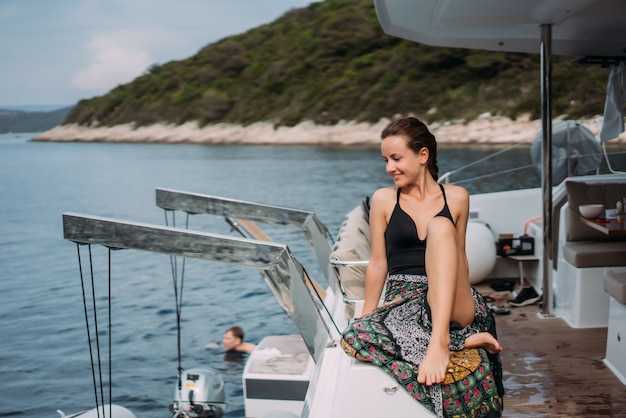 10 Reasons to Sail in Croatia – The Ultimate Guide to Croatia Sailing">

Boek vandaag nog een Kroatische zeilreis om vredige baaien en zonovergoten horizonten te ontdekken. De kust verwelkomt je met stroken azuurblauw water, zachte briesjes en een ritme dat verschuift van ochtendzeilen naar avonduren aan wal aan boord van een zeilboot of een vloot zeilboten.
Waarom Kroatië bovenaan de lijst staat voor bezienswaardigheden - ongelooflijke kliffen, kristalheldere baaien en een kustlijn die leest als een levend museum. Vaar tussen steden op kristalhelder water en dompel jezelf onder in eeuwenoude maritieme cultuur terwijl je een wereldberoemde zonsondergang najaagt. Onderweg ontdek je een schat aan verhalen die je kunt lezen tussen de regels van elk eiland en elke kustlijn.
Kies voor authentieke ervaringen in plaats van typische resorts. - leg aan bij een rustige kust, praat met vissers en dineer aan boord met verse vis. De bemanning kan een snelle ambachtsworkshop organiseren, van knopen leggen tot dekonderhoud, terwijl zonaanbidders genieten van de zon en de authentieke eilandambiance.
Creëer een flexibele route die past bij jouw tempo met korte sprongetjes en langere zeiltochten wanneer de wind gunstig is. De Kroatische kust laat je plannen aanpassen met een simpele klik op je charter-app, waarbij je onderweg kunt kiezen voor beschutte baaien of dramatische inhammen met kliffen op de achtergrond.
Perfect voor families en beginners met veilige havens, kalme ankerplaatsen en zachte routes tussen historische stadjes. Kies een zeilboot die bij je bemanning past, van compacte cruisers tot ruime jachten, en geniet van avonden aan dek met loungestoelen en een sterrenhemel.
Eenvoudige logistiek verhoogt de waarde met nabijgelegen luchthavens, vlotte bevoorrading en transparante havengelden. Aangezien de marinatarieven variëren, is het verstandig om een flexibel dagbudget te plannen en te zoeken naar vroegboekkortingen. Koop olijfolie, zeevruchten en vers brood op de markt en kook aan boord in een compacte kombuis, zodat de maaltijden authentiek blijven zonder gedoe.
Zonneschijn en milde wind ondersteunen langere plannen voor het cruisen langs de kust met vele uren daglicht en kalme zeeën die zowel beginners als doorgewinterde schippers helpen. De wind is altijd aanwezig, en je zult steeds meer redenen ontdekken om langs deze kust te cruisen. Wanneer de wind draait, kun je overschakelen naar een beschutte haven en nog steeds ongelooflijke zonsondergangen boven de kust meemaken.
Ready to start? Lees de volledige gids en begin vandaag nog met het plannen van je Kroatische zeilavontuur. Click met tips, checklists en routes om je koers uit te stippelen langs de kust van kristalhelder water en wereldberoemde steden.
Kroatië Zeilgids: 10 Redenen en Paklijst
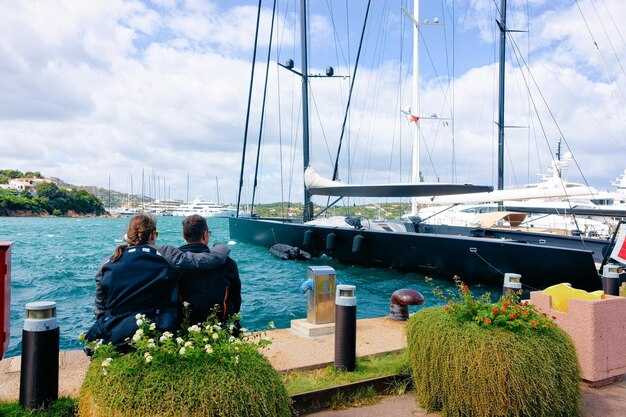
Plan een week zeilen in Kroatië, met de focus op beschutte baaien, schilderachtige kustlijnen en authentieke havens die bezoekende jachten verwelkomen.
- Schilderachtige kustlijnen en uitkijkpunten: De Dalmatische kust onthult trapsgewijze kalkstenen kliffen, verborgen baaien en turquoise water – perfect voor een dagelijks panorama vanuit de cockpit.
- Talrijke steden en dorpen om te verkennen: Meer aan in de buurt van historische steden en knusse dorpen, wandel langs muren, proef regionale gerechten en ontmoet maritieme persoonlijkheden langs de kades.
- Eilandhoppen voedt een weeklang avontuur: Een aanpasbare route laat je tussen eilanden hoppen met rustige ankerplaatsen, waardoor er ruimte is voor spontane zwempartijen en eilandontdekkingen.
- Maritieme infrastructuur ondersteunt veilig varen: Goed gemarkeerde vaargeulen, betrouwbare plekken om te tanken en goed uitgeruste jachthavens zorgen ervoor dat u comfortabel bent en van service wordt voorzien.
- Romeinse ruïnes en muren geven karakter: Romeinse ruïnes en oude muren omzomen de kust en bieden korte wandelingen tussen ankerplaatsen en een gevoel van geschiedenis.
- Authentieke ontmoetingen en persoonlijkheden: Locals, vissers en chef-partners delen verhalen; ze zoeken authentieke momenten die elke stop onvergetelijk maken.
- Restaurantstops leggen de nadruk op de lokale keuken: Avonden draaien om verse zeevruchten, gegrilde octopus, olijfolie en wijn–vraag altijd naar de aanbevelingen van de chef in het restaurant aan de kade.
- Zandstranden en aangename baaien om in te zwemmen: Anker in de buurt van zandplekken na een traject op zee, zwem en ontspan vervolgens in baaien omringd door dennen en struikgewas.
- Volgens de lokale winden en latere aanpassingen maximaliseert u de gunstige dagen: Volg de voorspellingen en wees bereid van koers te veranderen of eerder te ankeren als de wind draait.
- Inpakken en plannen houden de reis soepel: Plan een overzicht van dagelijkse behoeften, houd een compacte kit aan en houd een reserve tas klaar voor snelle wijzigingen.
Paklijst
- Lichte kleding voor warme dagen en koelere nachten; sneldrogende stoffen werken het best.
- Een windjack en een compact fleece voor koelere avonden op zee.
- Bootschoenen of antislip sandalen; waterschoenen voor gladde steigers.
- Zonnebrandcrème (rifveilig), zonnebril en een hoed met brede rand.
- Zwemkleding, handdoeken en een reishanddoek voor zanderige stranden.
- Reddingsvesten en veiligheidsuitrusting indien niet geleverd door de charter; verifieer dit met de exploitant.
- EHBO-kit, middelen tegen zeeziekte en eventuele persoonlijke medicatie.
- Waterdichte kaarthoes, kaarten, kompas en een reserve powerbank voor elektronica.
- Paspoort, ID's, bootdocumenten, verzekering en contant geld/kaarten; houd een aparte fotokopie bij.
- Snorkeluitrusting (masker, snorkel, vinnen) als je van plan bent het onderwaterleven te verkennen.
- Droogzakken om waardevolle spullen droog te houden; houd een extra zak bij de hand voor snelle toegang.
- Niet-bederfelijke snacks en een herbruikbare waterfles om gehydrateerd te blijven tussen de havens.
Kristalhelder water, beschutte baaien en gemakkelijke ankerplaatsen
Kies beschutte baaien rond Biograd en Pasman voor je eerste nacht; de dieptes variëren van 4-8 m, zandbodems helpen bij het ankeren, en het water blijft kristalhelder van zonsopgang tot zonsondergang. Het heeft een groot voordeel om hier te beginnen: gemakkelijke ankerplaatsen, korte overtochten en havens die bij verschillende persoonlijkheden passen. Neem een licht anker en reserve lijnen mee voor de zekerheid.
Kristalhelder water domineert de Kroatische kust, met een zichtbaarheid van vaak 15-25 m op zonnige dagen; snorkelen in de buurt van zandplekken rond baaien in de Biograd-Pašman zone onthult bloeiend leven vlak voor de kust. Dit originele, lonende voorbeeld laat zien waarom veel schippers jaar na jaar terugkeren.
Ankertechniek is belangrijk: bij lichte wind gebruik je een 5:1 ankerlijn; bij windstoten verhoog je dit naar 7–8:1, en herinner de bemanning eraan om de diepte in de gaten te houden. Als de wind aantrekt, stop dan in Biograd voor proviand, en verplaats je vervolgens naar rustigere baaien of het Pasman-kanaal. Vooraf boeken helpt om ligplaatsen te bemachtigen, en de prijzen variëren per seizoen.
Wandelend door de Kroatische steden na een duik geeft je de kans om verse zeevruchten te eten en lokale specialiteiten te proeven; kerstmarkten voegen charme toe in december. Zodra je een rustige baai hebt gekozen, ontsnap je aan de drukte en onthul je een grotere of kleinere keuze – en/of opties – zodat je herinneringen mee kunt nemen die een leven lang meegaan en je elk jaar met Kerstmis aan de Kroatische kustlijn herinneren.
Dalmatische kust met eilandhoppen en gevarieerde routes
Plan een 7-daagse eilandhop-lus: Split → Hvar → Korčula → Vis → Brač → Split, met 1–2 nachten in elke hub en een paar dagen doorgebracht in onbewoonde baaien. Split naar Hvar duurt 1,5–2 uur zeilen; Hvar naar Korčula 2–3 uur; Korčula naar Vis 2–3 uur; Vis naar Brač 1,5–2,5 uur; Brač terug naar Split 2–3 uur. Markten op de eilanden bieden olijven, vijgen en gefrituurde zeevruchten, terwijl havens gratis aanlegplaatsen bieden voor korte stops. Jachten clusteren rond Split, Hvar en Vis, en de bezoekersaantallen stijgen in het hoogseizoen, waardoor je even de tijd hebt om kalkstenen muren en renaissancegevels langs de kust te bewonderen.
Gevarieerde routes passen bij verschillende interesses: geschiedenisfanaten bewonderen het Diocletianuspaleis in Split, de muren van Trogir en de renaissanceforten van Korčula, die de eeuwenlange invloed van Venetiaans gebied weerspiegelen. Voor een gezin werkt het plan goed met stops van 2-3 uur tussen hubs, beschutte baaien om te zwemmen en eenvoudige routes die geschikt zijn voor jongere zeilers. Gezien de nabijheid van eilanden kunt u plannen gemakkelijk aanpassen als een weervenster verschuift. Een mix van verschillende soorten havens markeert uw route - commerciële havens, marinasteden en rustige baaien - elk met zijn eigen markten, cafés en lekkernijen. Als u snakt naar een langzamer tempo, voeg dan een rustdag toe op Vis of Brač voor een ontspannen proeverij van het eilandleven. Controleer altijd de weersvoorspelling en wees bereid om deze aan te passen.
Verborgen baaien en ongrijpbare inhammen liggen verspreid langs de kustlijn, met onbewoonde stukken waar het water eindeloos blauw blijft. Zoek in beekjes in het binnenland naar olmen, een zeldzame aanblik die geduldig onderzoek beloont. Terwijl je vaart, plan dan om te ankeren in de buurt van forten die boven steden uittorenen en om Renaissance-muren te bewonderen die zonsondergangen boven de Adriatische Zee omlijsten.
Praktische tips: Reserveer altijd ruim van tevoren voor de piekmaanden om ligplaatsen te garanderen, en verwacht een korte wachttijd voor marinalplaatsen midden in de zomer. Sluit elke dag af met een lokale maaltijd – gebakken sardines of octopus – en slenter over de markten voor ambachten en lokale wijnen. Deze kust beloont geduldig plannen, biedt een verscheidenheid aan natuurlijke en culturele bezienswaardigheden en presenteert een veelvoud aan toevallige ontmoetingen met verborgen kustleven en vriendelijke bemanningen.
Sterke zeilinfrastructuur: charterbedrijven, jachthavens en diensten
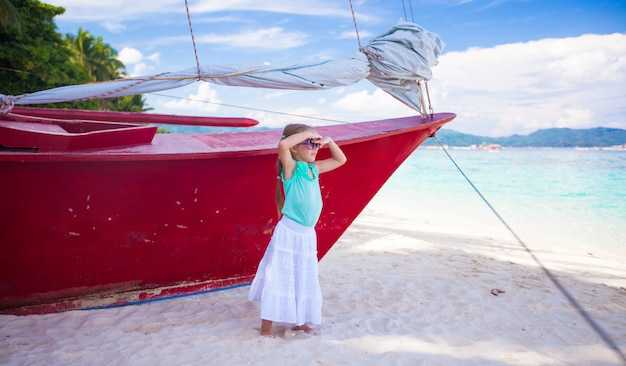
Kies een charter met schipper voor je eerste reis naar Kroatië om snel het water op te gaan en van de lokale winden te genieten zonder de stress van navigatie.
Of je nu de voorkeur geeft aan een bareboat-, crewed- of volledig verzorgde ervaring, de charterscene van Kroatië dekt jouw specifieke stijl, met betrouwbare vloten, heldere veiligheidsnormen en flexibele routes. Organiseer routes rond je passie en tijd, en wissel kalme baaien af met levendige steden, terwijl de bemanning de lijnen, weerscontroles en aanlegdetails regelt. Je houdt nog steeds het gevoel van controle, maar je krijgt natuurlijke ondersteuning wanneer je die nodig hebt.
De totale chartervloot omvat meer dan duizend zeilboten, verspreid over zestig-plus bases van Istrië tot Dubrovnik. Belangrijke knooppunten zijn Split, Zadar, Pula, Sibenik en Dubrovnik, waarbij veel operators weekarrangementen en korte vakanties aanbieden. Vroeg boeken helpt u om de gewenste zeilbootgrootte, cabine-indeling en uitrusting te reserveren, terwijl de kosten voorspelbaar blijven, zelfs in het hoogseizoen. Cijfers uit de industrie tonen aan dat de Kroatische chartervloot de duizend zeilboten overschrijdt, een teken van sterke vraag aan de Europese kust.
Jachthavens bieden een vlotte toegang tot de kust: walstroom, zoet water, Wi-Fi, wasserette, brandstof en reparatiewerven. De bekendste netwerken – ACI Marina Split, ACI Marina Dubrovnik en Zadar – liggen naast hoogwaardige faciliteiten bij D-Marin Mandalina in Sibenik en Frapa Marina Rogoznica. In totaal beschikt Kroatië over meer dan 60 jachthavens met complete dienstverlening langs een blauwe Adriatische kust, die veilige ligplaatsen, duidelijke bewegwijzering en efficiënte bevoorradingsmogelijkheden bieden. U kunt goed gelegen bases vinden die de transittijd tussen tussenstops minimaliseren en de tijd aan dek maximaliseren.
Proviandering is eenvoudig: lokale markten leveren verse vis, olijfolie, kruiden en kant-en-klare Kroatische gerechten die de lokale smaken prachtig laten zien. Jachthavens werken samen met betrouwbare leveranciers om reserveonderdelen, scheepsbenodigdheden en noodpakketten in te slaan, zodat u zonder omwegen een lekkere maaltijd aan boord kunt bereiden. Voor een vlotte vaart huurt u een schipper of bemanning in, of kiest u een boot met comfortabele automatiseringsniveaus die bij uw ervaring passen, zonder overweldigende complexiteit of extra tijd aan wal.
In heel Europa verwelkomen zeilscholen en trainingsprogramma's op grote bases zowel beginners als ervaren zeilers, met opties op verschillende niveaus en in meerdere talen. Begin met een introductiecursus in het voorjaar en ga daarna verder met meer uitdagende routes naarmate je wens groeit en je echte momenten op het water verzamelt. De authentieke kustlijnen, vriendelijke havenstadjes en consequent goede service houden de sfeer origineel en uitnodigend voor zowel nieuwe als terugkerende schippers.
Gunstige winden en het hele jaar door zeilmogelijkheden
Kies mei-september voor betrouwbare Maestral-winden langs de kust en de Kornati, en zet je zinnen op korte tripjes vanuit Dubrovnik, waarbij je profiteert van de magische ochtendbries. Parkeer in beschutte baaien, verken natuurlijke baaien en geniet van prachtige stukken kustlijn.
De Maestral, de noordwestelijke zeebries, levert doorgaans 12-22 knopen over open water en lichtere wind in beschutte havens, wat efficiënte dagtochten en comfortabele oversteken tussen baaien mogelijk maakt. In de herfst en het tussenseizoen kunnen de Jugo en Bora sterkere windstoten brengen op blootgestelde stukken nabij ruige kustlijnen en de Kornati-routes, dus houd een flexibel plan aan en wees bereid om dagen in te korten of te verlengen indien nodig.
De kustlijn is breed aantrekkelijk: UNESCO-werelderfgoedlocaties rond Dubrovnik schitteren na een dag op het water, steile kliffen rijzen op naast kristalhelder water en ruige gebouwen vertellen verhalen van eeuwen langs het schiereiland. Romeinen lieten ruïnes achter die nog steeds weerklinken langs de kusten, waardoor elke stop een echt gevoel van geschiedenis krijgt. Deze ware combinatie van natuurlijke schoonheid en culturele vorm trekt toeristen aan, en de wijnen die in havenstadjes worden geproefd, vormen een bevredigende afsluiter van een dag op het water.
| Season | Wind en omstandigheden | Voorgestelde routes en tips |
|---|---|---|
| Spring (Mar–May) | Lichte tot matige zuidoostenwind met ochtend-Maestral; gemiddeld 6-18 knopen | Dubrovnik–Kornati hoppen; ankeren in beschutte baaien; UNESCO-sites bezoeken; geniet van wijnen aan de kust |
| Summer (Jun–Aug) | Consistente Maestral, 10–25 knopen; kalme avonden nabij de kust | Eilandhoppen tussen Kornati en nabijgelegen eilanden; toeristisch verkeer is hoog, plan vroeg; transport tussen havens is eenvoudig met catamaranveerboten |
| Autumn (Sep–Nov) | Wind draait naar NW en ZO met rukwinden op open stukken | Langere benen langs het schiereiland; reisschema aanpassen aan veranderende omstandigheden; verlaten baaien verkennen wanneer de drukte afneemt |
| Winter (Dec–Feb) | Wisselvalliger met af en toe onweer; Bora kan blootgestelde gebieden treffen | Korte tripjes dicht bij de kust; bezoek kustplaatsen en musea wanneer nodig; comfortabele verblijven landinwaarts tijdens ruwe dagen. |
Wat mee te nemen naar Kroatië: uitrusting, kleding en praktische documenten
Pak een compacte 20L dry bag in met een windjack, zonnebrandcrème en een lichtgewicht regenjas. Verwacht dat de wind op open water kan draaien, dus voeg een fleece en een sneldrogende handdoek toe voor de avonden aan dek. Deze set-up houdt je comfortabel in de zon en de opspattend water.
Bewaar praktische documenten in een waterdichte zak: paspoorten, vaarbewijs, scheepspapieren, verzekering, medische kaarten en noodcontacten. Print bevestigingen van accommodaties en de volgende etappes van uw route, zodat de bemanning op één lijn zit.
Kleding moet in laagjes: ademende basislagen, een SPF-shirt met lange mouwen, een licht vest en een paar anti-slip dek schoenen. Voeg een zwempak, een zonnehoed, een zonnebril en een compacte handdoek toe. Pak een waterdichte tas met grote capaciteit in voor natte spullen, plus een lichte fleece voor koelere avonden langs de Istrische kust nabij Rijeka.
Plan voor maaltijden aan wal lichte ontbijten en snacks; bezoek de lokale markten voor verse producten. Bestemmingen zoals Brač en nabijgelegen Istrische steden bieden groenten, brood en fruit, waardoor je een mooie variatie aan opties hebt en je binnen je budget kunt blijven.
Budgettips: stel een dagelijks limiet, vergelijk offertes en doe aankopen vooraf alleen als je zeker weet dat je het item zult gebruiken. Zoek naar tweedehands spullen op havenmarkten om je budget op te rekken.
Een goede planning aan boord helpt ook: wijs een tweede navigator aan en houd een eenvoudige rolverdeling aan om onnodige drukte aan dek te verminderen.
Leg herinneringen vast en blijf georganiseerd: sla een afbeelding van uw jachthaven plattegrond op uw telefoon op en bewaar digitale kopieën van ID's en verzekeringen. Noteer uw volgende vertrekpunt om vertragingen te voorkomen. Deze aanpak zorgt ervoor dat een geweldige reis moeiteloos aanvoelt.