


 Nederlands
  English (UK)
  Русский
  العربية
  日本語
日本語  한국어
한국어  Magyar
  Türkçe
  Español
  Čeština
  Svenska
  Português
  Ελληνικά
  Suomi
Suomi  Română
  Italiano
  Français
  Polski
  Українська
  Deutsch
  简体中文
简体中文  Slovenčina
  10 Green Practices for Recreational Boaters – Eco-Friendly Boating Tips">

Choose a fuel-efficient propulsion option and minimize idle time to cut fuel use by up to 30% on short trips. An outboard or sterndrive with modern electronic fuel injection, a high-efficiency propeller, and a well-tuned hull delivers better mileage at cruising speeds of 15–20 knots. Plan routes so you glide instead of idling at the dock, and coast whenever safe to reduce revs. This practical move is a clear first step that saves money and lowers emissions for ones on board.
Be mindful about onboard waste and cleaning products. Pack a dedicated waste bag for each person, and bring enough extra bags for return. Use reef-safe, phosphate-free cleaners and wash gear away from shore to prevent graywater from concentrating near sensitive habitats. Rinse rags in a contained basin and bring them ashore for proper disposal. A resource like stockadobecom hosts checklists you can print before a trip; you can also use a link to local port rules and July events to stay aligned with community efforts.
Anchor and moor in a habitat-friendly way. Use designated moorings over bottom anchoring when possible, located away from seagrass and coral beds, and maintain at least 30–50 meters of clearance to sensitive zones; monitor swell to avoid dragging. If you must anchor, choose a sand patch and use a Danforth or plow anchor with a 7:1 scope to hold in wind and current, not brute force. This approach limits sediment resuspension and protects life along the harbor fields.
Power on board with clean energy. Install 100–200 watts of solar panels on the cockpit bimini to offset lighting and electronics; use efficient LEDs and battery-management strategies to extend a weekend outing. A simple rule of thumb: if you need more than 50% of the boat’s lighting after sunset, upgrade the battery bank and add portable panels. This approach reduces generator use and supports long-term reliability for the operator on trips near coastal ecosystems.
Maintain your engine and equipment to prevent leaks. Check fuel lines for cracks, replace aging hoses, and use a fuel separator to keep fuel from contaminating bilge water. Keep a spare drip pan on deck for quick catchment of spills and hold used oil until you reach proper facilities. Maintaining a clean mechanical space helps keep water near port clean, and it protects fields of life along the shoreline.
Share what you learn with fellow boaters. A quick briefing for your crew–especially the ones new to green boating–encourages mindful choices. Join local samboat gatherings or operator-led tours at your port en events to learn about local rules and best practices. The love of the water grows when people work together to protect the resource at the heart of every voyage, near busy harbors and quiet inlets alike.
Keep a simple checklist on board to remind you of the practical steps: mindful waste, link to local guidelines, and keep a resource list for quick reference. The goal is to make eco-friendly boating a routine, not an afterthought, and to ensure that every port visit and field trip stays clean for future generations. July and other events offer opportunities to learn more and connect with other boating lovers who share the same love for the water.
Practical eco-friendly boating actions for on-water sustainability
Carry a reusable flask and refill bottle from shore taps, avoid single-use plastics, and dont litter overboard; this simple habit reduces litter and protects coastal waters used by snorkeling, fishing, and resort visitors alike, like day-trippers from nearby towns.
Plan propulsion for efficiency: run at the lowest practical speed, keep the hull clean to reduce drag, and inspect fuel tanks for leaks; refuel only at trusted stations to minimize fuel burn and emissions.
Harnessing solar panels or a compact wind charger lets you keep running electronics without idling the main engine; in july, when sunshine is abundant, this approach works best for coastal coves and international trips.
Waste handling keeps bays clean: store all waste in sealed bags, transfer to marina trash or recycling, and keep greywater in onboard tanks until you reach proper facilities; the easiest way to cut emissions is to run essential electronics on solar, and always use the shower facilities ashore for cleaning rather than washing overboard to avoid contaminating water.
Personal care matters: use reef-safe sunscreen and biodegradable soap; rinse dishes with minimal suds; never pour oils or solvents into the water; these steps reduce harmful effects on marine life and keep fishing grounds healthy.
Wildlife and fishing etiquette: maintain distance from seabirds, turtles, and dolphins; follow local fishing rules; dispose of lines and hooks to prevent harmful effects; choose biodegradable tackle to minimize lasting impact and avoid litter.
Join on-water cleanup events organized by marinas or international clubs to boost impact; carry a brown bag to collect debris and share tips with others aboard your vessel; the wolfe guide notes this approach for building responsible crews; if you bought gear, verify it is reef-safe and offer practical tips to ones who join next time; the small steps you take today become a difference over the years.
Track your progress with a simple log: record fuel use, litter avoided, and days spent with clean power; this helps you become more efficient and motivates crew and guests to keep protecting the water year after year.
Reduce fuel use; minimize engine idling
Turn off the engine when stationary for more than a minute and rely on wind, current, or anchors to hold position. Use shore power or battery banks to run critical systems instead of idling the main engine. This switch will cut fuel use, reduce emissions, and protect precious ecosystems around busy harbors.
- Plan charters to minimize transit time and idle hours. Build routes inside mpas and wind windows, stay slow, and use the same approach across the fleet; for the largest fleets, this can shave tons of fuel and money from each season.
- Anchor when safe to avoid thruster use; this protects underwater habitats and keeps chemicals out of the water. An anchor setup takes less fuel and reduces engine wear for the operator and crew.
- When in home ports or marinas with shore power, plug in and run refrigeration, chargers, and electronics on shore power rather than keeping the engine running. This comes with immediate fuel savings and shorter maintenance cycles.
- Keep tanks and fuel systems clean: use high-quality fuel, replace filters, and avoid contaminated fuel that causes rough idling. A clean burn means fewer stops to service engines bought for reliability and longevity.
- Use slow docking and wind-assisted maneuvering where possible. This reduces revs, lowers fuel burn, and helps you avoid unnecessary idling during line handling. Others in the same marina notice the difference quickly; you will too.
- Install an idle shutdown or rpm limiter; this takes the guesswork out of when the engine should stay running. The operator says the settings pay back in fuel saved and reduced noise in nearby homes.
- Monitor your fuel tanks and consumption with simple gauges or apps; this article suggests recording idle hours and comparing before/after results. The same data helps crews of charters plan better and track progress over seasons.
- Choose locally sourced solutions to replace short city trips with land transport when feasible; for example, some fleets bought electric tugs or small electric chargers to minimize in-water engine use. This reduces loads on the largest engines and supports local economies.
- Use visuals from stockadobecom to illustrate best practices for mooring, wind use, and anchoring; the iconography helps crews apply the same steps on each vessel.
- Communication: set clear expectations from the crew and clients; say, want to cut fuel use, share the same goals, and track results with weekly reports. The article outlines examples of how plans come together and how charters can coordinate to reduce idling across fleets.
By focusing on planning, holding position with anchors and wind, and using shore power, operators reduce fuel burn on tons of movements each season. The approach takes small steps now; the long-term payoff helps ecosystems, reduces costs, and keeps home ports peaceful for residents and visitors alike.
Plan routes with favorable winds and currents; cruise at steady RPM
Plan routes with favorable winds and currents and cruise at steady RPM to cut fuel burn and emissions, protecting water quality and the health of the harbor communities around you. This small, vital habit benefits regular boaters and could also boost performance during regattas.
- Forecast-driven routing: check a 6–12 hour wind and current forecast, then choose a path that uses a favorable wind angle and a steady current flow; around shoals or islands, follow channels where current adds speed rather than fighting headwinds; post the route and results on your site to build a practical data link for others.
- Steady RPM practice: set a steady RPM that keeps speed stable and reduces torque bursts; although wind and load shift, adjust trim and ballast to maintain the same pace; log the gallons per hour at that RPM to identify the most efficient band for your boat and load; this approach helps reduce fossil fuel burn and keeps the engine running well.
- Data-driven optimization: record data from each leg (RPM, speed, distance, fuel, weather) and calculate miles per gallon and liters per nautical mile; enough data allows you to compare routes and pick the most efficient one for future cruises and small runs.
- Waste-minimizing and plastic-free habits: park plastics; pack plastic-free gear; bring drink bottles and Cups that you reuse; dont rely on disposable cups; hold waste in a compact bin and park it at the next dock or shore facility; avoid plastics that might end up in the water and harm wildlife; fishing boats nearby? keep distance and communicate to avoid conflicts.
- Health and safety on water: keep a comfortable, safe, low-wake speed when near shorelines or docks; this reduces harmful emissions and protects health of both people and wildlife; the same approach also minimizes noise that disturbs wildlife during a regatta or a calm afternoon sailing.
- Crew engagement: batting around route ideas and speed plans with your crew leads to better decisions, making small improvements; a quick link to share the plan could help everyone participate; participate actively, and consider the preferences of the small crew on long passages; Keep the crew well informed to align around common goals.
Use marine-safe cleaners; adopt non-toxic coatings
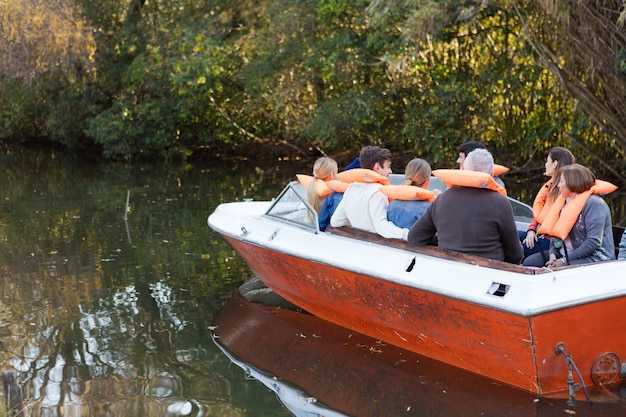
Kies voor het onderhoud van uw schip marineveilige reinigers en niet-giftige coatings, en houd dekken en rompen schoon. Deze aanpak minimaliseert de hoeveelheid vervuilende stoffen die in het water terechtkomen, beschermt riffen en kustlijnen en ondersteunt de haven- en internationale normen voor schonere oceanen.
Voordat u begint met elke reinigingstaak, controleer of producten geschikt zijn voor gebruik in zee, geef de voorkeur aan biologisch gebaseerde formules en controleer of er geen fosfaten of oplosmiddelen zijn die in het water blijven hangen. Gebruik een spoelstation aan dek of op een aangewezen platform om te voorkomen dat afvalwater de zee bereikt.
Coatings: selecteer niet-giftige, coatings met een laag VOC-gehalte die geschikt zijn voor rompen en dekken. Breng aan met schone gereedschappen, volg de richtlijnen van de fabrikant en plan het opnieuw aanbrengen in tijdens onderhoud aan land tijdens havenoproepen. Via dit platform kunnen bemanningsleden aan boord een schema delen dat de romp glad houdt en de sleep en brandstof vermindert.
Rollen en verantwoordelijkheden: de directeur keurt de inkoop en training goed, de operator coördineert taken op het water, en een matroos en anderen die aan boord wonen, volgen de routine. Voordat een haven wordt verlaten, zorg ervoor dat al het afval en alle containers zijn beveiligd; er zijn richtlijnen voor afvalverwijdering beschikbaar.
Impact op de vloot en kustgemeenschappen: schonere schoonmakers verminderen internationale impact, verminderen vervuiling nabij riffen en sluiten aan bij race- en charterregelgeving. Een eenvoudige verandering in schoonmaakroutines levert lagere emissies en minder schoonmaakafval op; dit beschermt middelen en handhaaft een goede reputatie bij havenautoriteiten.
Vakantiecharters: wanneer een schip gasten verwelkomt op een route van kust tot kust, moet de operator aan boord training geven, live demonstraties laten zien en de veilige hantering van reinigers en coatings benadrukken. Het resultaat is een veiligere, schonere ervaring voor gasten en een duurzamere vakantie.
Minimaliseer afval aan boord; neem afval mee.
Verpak afval in een verzegelde zak en neem het aan land voor verwijdering.
Schakel over op herbruikbare flessen en een roestvrijstalen fles voor drinken; vermijd wegwerpplastics die zich ophopen op het dek en spoel containers na het bijvullen om geurtjes te verminderen.
Neem een eenvoudig afvalplan op in uw pre-sail checklist; label containers voor flessen, plastics, organisch afval en algemeen afval, en wijs een bemanningslid toe om afval op regelmatige tijdstippen te verzamelen.
Voordat u afval ophaalt, bevestig dan items om verschuivingen te voorkomen; bewaar afval in de daarvoor bestemde zak onderdek tot u de landinstallaties bereikt.
Respecteer de regels van de jachthaven en lokale richtlijnen; sommige havens vereisen dat afval aan boord blijft totdat u een landfaciliteit bereikt.
Tijden op zee vragen om discipline; publiceer een snelle post met afbeeldingen en tips op stockadobecom om universiteitspartners en zeilclubs te betrekken.
Yachtvrouwelijke leiderschap kan coördineren met bemanning en gasten; taken roteren om een net dek te behouden en het proces inclusief te houden.
Tijdens bezoeken aan de Seychellen in juli, pak extra afsluitbare zakken in voor kunstaas en visgerei; houd lijnen veilig vast en plan voor het afvalbeheersysteem van de jachthaven.
Het starten van een routine vandaag vermindert verspilling; stel dagelijkse controles in en houd een logboek bij dat anderen op toekomstige reizen kunnen volgen.
Langzaam hanteren, zorgvuldig opslaan en doordacht sorteren beschermen het dek en de dieren in het wild; deze zeer praktische aanpak levert een groot verschil aan boord op.
| Action | Praktische stap | Opmerkingen |
| Verzegel en bewaar afval | Inpakken in verzegelde zakken | Blijf uit de buurt van hitte; afvoeren aan land. |
| Herbruikbare containers | Flessen en krukken voor drank | Regelmatig bijvullen; vermijd wegwerpoplossingen |
| Bin labeling | Label bins op het dek | Afzonderlijke flessen, plastics, organisch materiaal |
| Afvalverwerkingsplanning | Stockadobecom post; share practice | Volg de lokale regels in elke haven. |
Beheer bilgewater en gemorste vloeistoffen; zorg ervoor dat spill kits klaarstaan.
Houd een spill kit gereed en train elk bemanningslid om deze onmiddellijk te gebruiken als bilge water diesel, olie of andere koolwaterstoffen bevat. Kies een kit die olie-enkel pads, universele sorbenten, sorbent sokken, afvalzakken en een kleine schep voor het opruimen bevat. Plaats deze op een duidelijk gemarkeerde, vlakke locatie nabij de bilgepomp en de bedieningspost, gelegen op het hoofdek of in een gemakkelijk bereikbare kast, zelfs bij ruwe zeeën. Bekijk de opties en kies degene die geschikt is voor de grootte van uw boot. Deze geweldige opstelling beschermt de waterkwaliteit en vermindert de blootstelling voor de bemanning, de hoeders van de zee.
Voorkom dat lekkages in het water terechtkomen door het bilgewater te laten stromen door een gecertificeerde separator en een gesloten pomp te gebruiken. Loos nooit oliehoudend bilgewater overboord in beperkte zones; de kustwacht zegt dat u de MARPOL-richtlijnen en lokale regels moet volgen. Het beschermen van de waterkwaliteit vereist dat iedereen aan boord meedoet, van de operator tot de gasten, of het nu gaat om een charter in de thuishaven of een dagtocht. Dit is geen optie; het is een onderdeel van verantwoord beheer. Maak een eenvoudig plan voor het reageren op lekkages en oefen dit per kwartaal; in Griekse havens verwachten havenmedewerkers dat bemanningen lekkages snel aanpakken. Overweeg een back-upplan voor diesellekkages en voor uitval van de bilgepomp, zodat u grotere releases kunt voorkomen. Eerdere boetes die door snel opruimen zijn vermeden, laten de waarde van deze aanpak zien.
Materialen zijn belangrijk: kies olie-enkelvoudige sorbenten en sokken die gericht zijn op koolwaterstoffen terwijl het wateropname laag blijft. Bewaar kits in weerbestendige containers en roteer de voorraad elke zes maanden om degradatie van de prestaties te voorkomen. Opties variëren van compacte kits voor kleine bijboten tot complete kits voor chartervaartuigen; plaats back-ups in de machinekamer zodat opties toegankelijk blijven. Bemanningen moeten deelnemen aan maandelijkse oefeningen en containment- en opruimwerkzaamheden oefenen met behulp van het opgestelde plan. Voor dekopruiming op zonnige dagen, zorg ervoor dat zonnebrandcrèmes beschikbaar zijn om de huid te beschermen. Het verminderen van lekken beschermt het milieu en verlaagt de ecologische voetafdruk van de reis.