Zostel debuts in Varanasi’s heritage riverside quarter
Alexandra
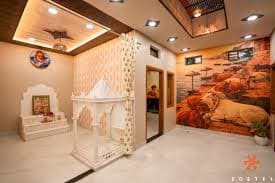
Located within a five‑minute walk of Dashashwamedh Ghat and set along Varanasi’s narrow old‑city lanes, Zostel Varanasi occupies a parcel that optimizes pedestrian access to the riverfront and traditional market corridors. The property’s rooftop offers direct sightlines over the Ganga skyline, while dormitory and private room blocks are arranged around expansive social zones to streamline guest movement and programming. Operationally, the hostel is intended to serve high‑turnover youth travel flows with flexible check‑in/out windows and curated local experiences timed around sunrise and evening Aarti schedules to reduce peak‑hour congestion at the ghats.
Facility layout, guest programming and market signals
Zostel Varanasi has been fitted with a mix of shared dorms and private rooms, communal kitchens, and a rooftop common area designed to host guided activities. Programming is organized to deliver immersion rather than passive sightseeing: scheduled sunrise ghat walks, participation in the evening Ganga Aarti, neighbourhood heritage routes, and small‑group craft or culinary sessions led by locals. Internal booking data referenced by the operator indicate a predominantly youth demographic: approximately 95% Gen Z and millennials across its spiritual destinations, with international visitors comprising roughly 10% of demand—highlighting a largely domestic, young traveler base for cultural circuits.
| Feature | Specification |
|---|---|
| Proximity to Ghat | ~200–400 m to Dashashwamedh Ghat (5–8 min walk) |
| Room types | Dormitories, private twin/double rooms |
| Social spaces | Rooftop, lounge, communal kitchen, event zone |
| Typical activities | Sunrise boat rides, Aarti participation, heritage walks, craft workshops |
| Target demographic | Gen Z and millennials; domestic majority |
Network strategy: experience‑led growth over urban sprawl
The Varanasi opening follows Zostel’s recent Kufri entry—where the brand added an experiential amenity (a high‑altitude pickleball court)—and fits a broader strategic pivot toward culture‑centric locations. Rather than prioritizing conventional metropolitan expansion, the operator is allocating inventory and marketing toward destinations that combine community engagement, craft traditions, and heritage pathways. For city logistics that affects supply chains, this approach means smaller, dispersed properties with local procurement of food and décor, and an operational emphasis on last‑mile walking access rather than large vehicle drop‑offs.
📚 You may also like
Implications for local stakeholders and the tourism ecosystem
- Employment: Increased demand for hosts, guides, and service staff concentrated in the youth travel niche.
- Local sourcing: Procurement of artisanal textiles and food creates micro‑demand for craftspersons and vendors.
- Transport patterns: Peak arrivals aligned to ghat schedules require coordination with rickshaw and pedestrian traffic management.
- Waste and water management: High guest turnover increases pressure on local utilities; sustainable waste handling is essential for riverfront conservation.
Historical context: hostels on India’s spiritual circuits
Backpacker hostels and community‑driven accommodations have expanded across India’s pilgrimage and heritage routes over the past decade, responding to younger travelers seeking meaningful, low‑cost stays with local encounters. Varanasi itself is a centuries‑old pilgrimage destination whose ghats and ritual calendar form the backbone of the city’s visitor economy. The layering of modern hostel models on top of these traditional circuits reflects a shift in demand: younger visitors prize longer, immersive stays over brief, checklist tourism. This evolution has in turn influenced how property operators design programs—prioritising activities that compress cultural learning into accessible, small‑group formats.
Regulatory and infrastructure considerations
Operating close to the ghats necessitates compliance with municipal and heritage regulations, particularly regarding noise, lighting, waste disposal, and permissions for guided activities on public steps and riverfront land. Infrastructure constraints around Varanasi’s old city—narrow lanes, limited vehicular access, and seasonal fluctuations in river levels—require bespoke logistics planning for deliveries, emergency access, and crowd control during high‑attendance religious events. Hostels and small operators must also coordinate with boatmen and local associations when programming sunrise or riverborne experiences to ensure safety and lawful operation.
How riverfront stays intersect with boating and local water activities
Although Varanasi is not a marine or superyacht destination, riverfront accommodations influence demand for short‑range boating activities: sunrise dhuni boat trips, ferry transfers across the Ganga, and guided fishing or heritage vantage excursions. For operators and local transport providers, this creates an uptick in small boat bookings and demand for certified captains and crew trained in passenger safety. From a broader travel services perspective, increases in day‑trip and overnight river activity can indirectly affect business flows to nearby lake and coastal destinations, as interest in water‑based activities often translates across markets.
- Recommended guest activities: sunrise boat ride, Ganga Aarti attendance, heritage walking loop, Banarasi weaving sessions.
- Operational tips for visitors: arrive early for boat slips, confirm departure points, respect local ritual timings, and book guided walks through the property to reduce queueing at the ghats.
Outlook: demand patterns and tourism significance
Given the stated booking mix skewed toward domestic young travelers, the Varanasi opening is likely to strengthen short‑to‑mid‑term demand for culturally focused itineraries. Experience‑led hostels in heritage hubs often act as multipliers for local microeconomies—stimulating craft sales, guided services, and small‑boat operators who provide routine sunrise and evening river experiences. If the trend toward youth‑led cultural travel continues, expect growth in small‑scale hospitality concepts near riverfronts and lakeshores rather than in conventional beach or marina developments.
In summary, Zostel Varanasi positions itself as a community‑centric base within walking distance of the Ganga’s main ghats, offering programmatic experiences tailored to a young domestic audience and integrating local crafts and service providers into its operations. The launch carries operational implications for last‑mile transport, waste and water management, and licensed river activities, and it reflects a broader industry tilt toward culturally resonant destinations. GetBoat.com is always keeping an eye on the latest tourism news. The opening underlines how Destinations driven by culture and water—whether river, lake or sea—can generate interest in activities from small boat trips and boating to broader yachting ecosystems; even where superyacht or marina‑scale infrastructure is absent, developments like this shift traveler behavior toward more water‑centric experiences across charter, fishing, and sightseeing options and shape how captains, operators and local suppliers plan services and sale opportunities.


