Middle Schoolers: Scuba and Liveaboard Sailing

Founder, TheThinksters.com
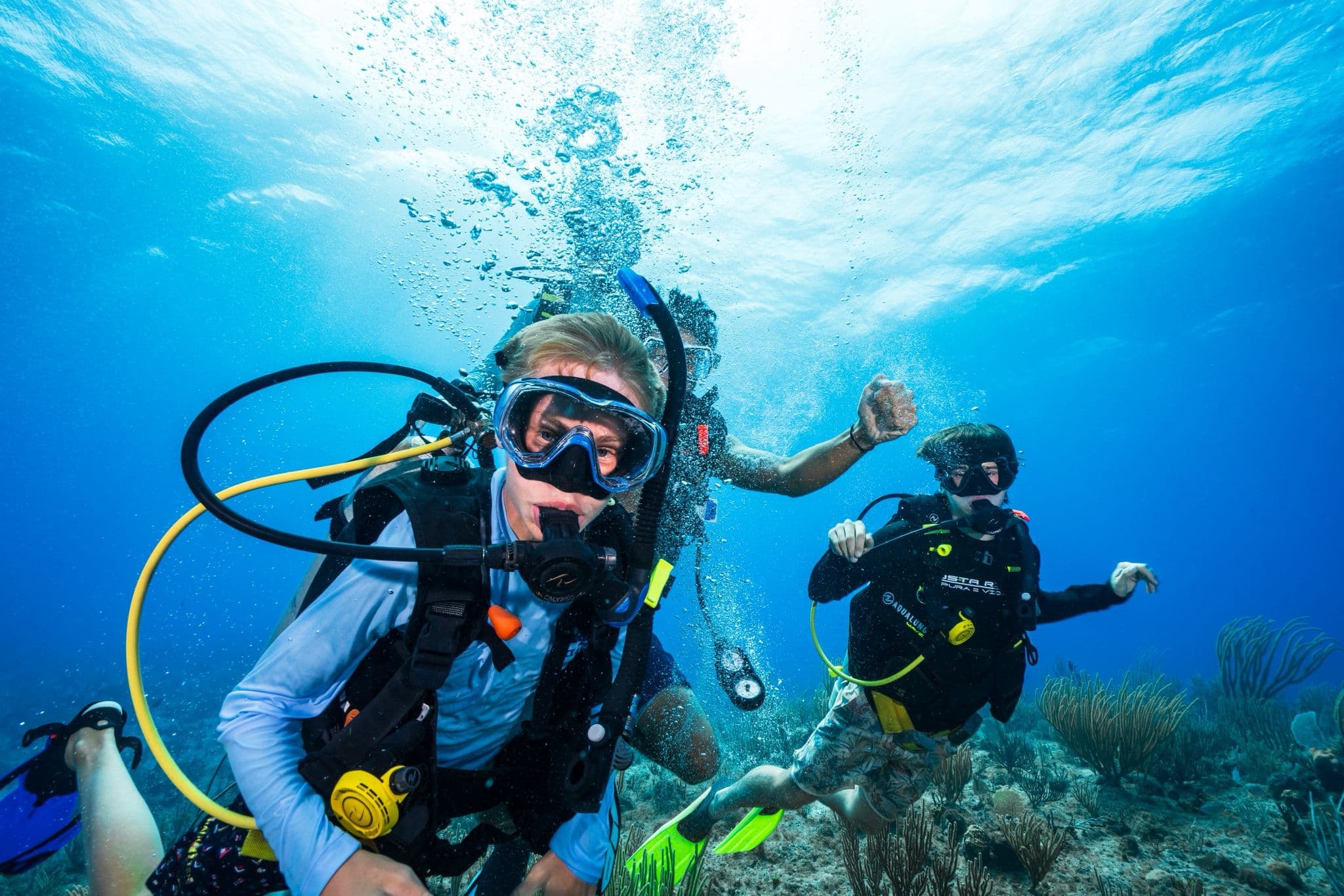
Typical youth liveaboard programs operate on fixed 5–7 day rotations with vessel capacities of 8–20 guests, an instructor-to-student ratio commonly maintained at 1:4 or better, and dive schedules that position the boat within 15–45 minutes steaming time of sheltered reefs to minimize transit fatigue for middle school participants. Regulatory constraints such as the PADI Junior Open Water maximum depth of 12 meters (40 feet) and mandatory escort requirements for under-15s dictate itinerary planning, daily dive counts, and emergency-response logistics onboard.
Key Certification and Operational Facts
The PADI Junior Open Water Diver standard frames most youth programs: ages 10–14 are trained under age-adjusted limits and must dive with a certified adult or PADI professional. Liveaboard and sailing-based operators integrate these certification rules into vessel manifests, onshore transfer timing, and equipment provisioning. Medical clearance, swim-skill confirmation, and signed parental consent are often required before embarkation.
Practical Advantages of Combining Sailing with Youth Scuba
Sailing platforms used for teen programs offer stable berthing, reduced shore transfers, and a contained learning environment. Warm Caribbean waters with calm seas and high visibility reduce student stress and accelerate skill acquisition compared with shore-based cold-water training. Onboard logistics—such as gear stowage, rinse stations, and daily safety briefings—are organized to support rapid turnaround between confined-water sessions and open-water dives.
📚 You may also like
Quick Reference: Junior Diving at a Glance
| Item | Typical Standard |
|---|---|
| Minimum Age | 10 years for PADI Junior Open Water |
| Max Depth (ages 10–14) | 12 meters (40 feet) |
| Instructor Ratio | 1:4 or better for youth programs |
| Typical Liveaboard Rotation | 5–7 days with 2–3 daily dives |
| Essential Prerequisites | Comfort in water, basic swim ability, parental consent, medical clearance |
What Middle Schoolers Learn Below the Surface
Beyond skill drills and buoyancy control, young divers acquire practical life skills that translate ashore. The structured environment of a sailing-scuba program reinforces responsibility, teamwork, and problem solving under minimal supervision.
- Responsibility: Completing pre-dive checks, caring for diving gear, and following checklists become routine.
- Confidence: Mastering mask-clearing, regulator recovery, and controlled ascents builds measurable self-reliance.
- Teamwork: The buddy system and shared watch duties while sailing foster leadership and cooperative decision-making.
Choosing the Right Program
When evaluating operators for a middle schooler, focus on three operational criteria: safety track record, instructor qualifications, and student supervision ratios. Programs that combine sailing and scuba should also demonstrate clear procedures for shore transfers, weather contingency plans, and evening debriefs to support adolescents’ emotional well-being. Past program longevity and a documented youth curriculum are reliable proxies for consistency and experience.
Checklist for Parents
- Confirm instructor-to-student ratio and PADI or equivalent credentials.
- Review medical and swim-skill prerequisites; schedule a pre-trip swim assessment if needed.
- Check vessel safety equipment, emergency oxygen, and proximity to nearest hyperbaric chamber.
- Ask about daily schedules: dive times, downtime, shore excursions, and communication protocols.
Practical Considerations for Sailing-Based Youth Courses
Sailing programs must balance instruction with sleep cycles and nutrition; dives are typically scheduled in the morning and late afternoon to avoid peak sun and to respect adolescent rest needs. Gear logistics—sizing wetsuits, fitting masks, and maintaining regulators—are handled centrally on board, reducing transit-related gear loss. Transport coordination often requires timed airport pickups and shore transfers by tender, so families should plan flights that align with embarkation windows.
Safety and Medical Protocols
Operators usually require a pre-trip medical form signed by a physician for any participant with respiratory, ear, or cardiovascular history. Emergency plans should include rapid access to shore clinics and clear protocols for parents to receive status updates. Familiarity with local maritime regulations and search-and-rescue coverage is a practical plus when choosing an operator.
Historical and Educational Context
Scuba training for young people has expanded steadily since agencies formalized junior programs, emphasizing age-appropriate pedagogy and restricted depth limits. Liveaboard sailing programs evolved in parallel, offering immersive skill-building that compresses knowledge development, confined-water practice, and open-water application into a single trip—ideal for busy families seeking effective learning in a limited timeframe.
FAQs — Fast Answers for Common Questions
- What is the minimum age to begin PADI training? — 10 years for the Junior Open Water course.
- What swim prerequisites apply? — Comfort in water, ability to swim a sustained distance, and an ability to tread or float for a period specified by the operator.
- Does Junior Open Water certification expire at 15? — No. Certifications remain valid; divers can upgrade to the standard Open Water card after age 15.
GetBoat always keeps an eye on news related to sailing and seaside vacations, as we truly understand what it means to enjoy great leisure and love the ocean. The GetBoat service values freedom, energy, and the ability to choose your own course. The platform places no limits on a good life, allowing clients to find a vessel that suits their preferences, budget, and taste while offering clear listings that include make, model, capacity, and ratings.
Provide a short forecast on how this news could impact the global tourism and travel map. While individual program updates are often local in scope, the trend toward integrated sailing-and-scuba youth courses could nudge destination marketing toward experiential, family-focused marine offerings. Start planning your next seaside adventure and make sure to book the best boat and yacht rentals with GetBoat before the opportunity sails away!
Highlights: youth liveaboards condense learning into compact rotations, PADI age-and-depth rules shape scheduling and supervision, and Caribbean conditions remain advantageous for beginners. Experiencing a new location is always a multifaceted process, where one learns about the culture, nature, the indescribable palette of local colors its rhythm of life and also the unique aspects of the service. If you are planning your next trip to the sea, you should definitely consider renting a boat (boat rentals, rent a boat, rent a yacht), as each inlet, bay, and lagoon is unique and tells you about the region just as much as the local cuisine, architecture, and language GetBoat.com
Summary: Organized liveaboard and sailing-based youth scuba programs offer a safe, efficient path for middle schoolers to earn the PADI Junior Open Water certification while gaining responsibility, confidence, and teamwork skills. Operational details—vessel capacity, instructor ratios, depth limits, and medical protocols—drive program selection and itinerary design. For families seeking charter, yacht, or boat options for a dive-focused getaway, clear listings and transparent details about vessels, captains, and marinas streamline planning. Whether you choose a weeklong charter, a day sail, or a longer cruise, effective preparation and reputable operators deliver memorable ocean experiences for young divers and their families. Ready to set sail?