Ten-Step Sea Trial Protocol for Mega Yachts
Alexandra
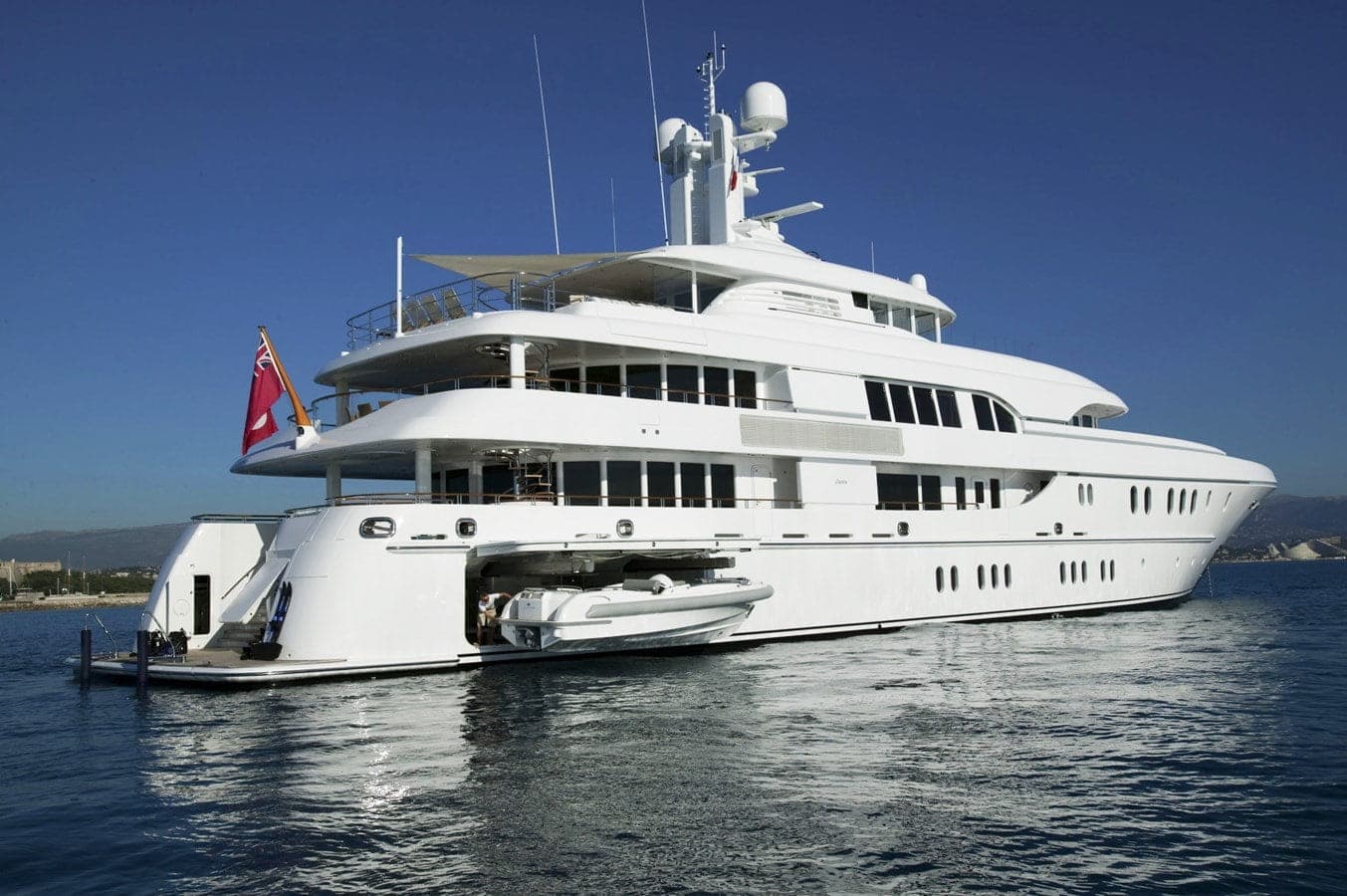
A proper sea trial begins with a cold start inspection: batteries must crank a cold diesel, exhaust must be clear of persistent white or blue smoke, and engine-room temperatures should be cool to the touch before any warm-up routines begin.
Sea Trial as a Forensic Logistics and Systems Test
For mega yachts the sea trial is less a demonstration and more a systems audit—power generation, propulsion, heat-exchange capacity, hydraulics and crew logistics are all tested under operational loads. Dockside surveys reveal hull and safety compliance, but only a live run reveals how the vessel performs in real operational conditions such as tight marina maneuvers, long-range cruising, and stationary stabilization in choppy anchorages.
10-Step Checklist Summary
| Step | What to Observe | Potential Faults |
|---|---|---|
| Cold Start Inspection | Crank behavior, smoke color, initial temperature | Weak batteries, leaking seals, cracked head gasket |
| Maneuverability in Marina | Thruster response, joystick lag, camera reliability | Hydraulic air ingress, gearbox issues, failing cameras |
| RPM Ladder & Load | Vibration, temp stability, top RPM | Bent shaft, cooling failure, wrong prop pitch |
| Zero Speed Stabilizers | Underway and at-rest roll correction | Undersized fins, gyro miscalibration |
| Electrical Grid Stress | Peak hotel load, transfer switch | Undersized generators, aging switchgear |
| Noise & Vibration | Decibel levels in master | Loose fittings, shaft whine, loud AC |
| Crew Flow & Service Paths | Service routes, laundry, tender ops | Poor crew logistics, inadequate crane rating |
| Anchor System | Full chain deployment and windlass haul | Corroded chain, weak windlass |
| System Redundancy | Backup pumps, steering, electrical paths | Single points of failure |
| Post-Trial Fluid Analysis | Spectrographic samples of oil and coolant | Metal wear, salt ingress, dirt contamination |
Step-by-Step Practical Checks
Cold Start Inspection (Step 1)
Insist on arriving before the yacht is brought to operating temperature. Check battery cranking power, observe exhaust for blue or white smoke, and feel engine block and turbo housings. Early signs of trouble often hide when systems are pre-warmed.
📚 You may also like
Maneuverability and Low-Speed Control (Step 2)
Test bow and stern thrusters and joystick responsiveness inside the marina. Listen for hydraulic whining and watch for delayed gearbox engagement. Inspect camera feeds from upper helm and wing stations for resolution and lag—Docking incidents often result from reliance on poor camera systems.
RPM Ladder and Engine Load Analysis (Step 3)
Run an RPM ladder at defined intervals and log vibration and temperature. Look for resonant frequencies and any progressive rise in coolant or oil temperatures—the Heat Soak test in warm waters is decisive. Conclude with a Wide Open Throttle check to verify the engines achieve rated RPM.
Zero Speed Stabilization (Step 4)
Test both underway and at-rest stabilization. The Champagne Test—placing a half-filled glass on a table while zero-speed mode is engaged—gives an immediate sense of at-rest performance. Retrofitted gyros on older hulls can be an expensive retrofit; a factory-fitted, proven system is a value-add.
Electrical Grid and Hotel Load (Step 5)
Simulate peak hotel load: all AC units, galley appliances, water heaters, pumps and lighting. Monitor voltage and frequency while toggling the transfer switch between generators. Any flicker or reboot indicates weak or tired generation and control electronics.
Comfort, Crew Efficiency, and Safety
Noise, vibration, crew flow and anchor reliability directly impact everyday use and resale value. Use a decibel meter to quantify comfort in the master stateroom, walk the service paths to validate invisible service, and launch the tender to ensure cranes and garages operate smoothly. Inspect the bitter end of the chain and exercise the windlass under full load.
Redundancy and Fluid Forensics (Steps 9–10)
Look for backups: duplicate pumps, alternate steering pathways, second transfer pumps. Finish with fluid sampling—spectrographic analysis provides objective evidence of bearing wear, salt contamination, and filter bypass failures.
Operational and Market Context
Miami International Yacht Sales and other brokerages use these protocols because they convert subjective impressions into measurable risk metrics. Buyers who skip a rigorous sea trial accept operational uncertainty—this has downstream effects on charter readiness, insurance underwriting and maintenance logistics. GetBoat always keeps an eye on news related to sailing and seaside vacations, as we truly understand what it means to enjoy great leisure and love the ocean. The GetBoat service values freedom, energy, and the ability to choose your own course and places no limits on a good life; it lets clients find a vessel that suits preferences, budget, and taste.
Quick Pre-Board Checklist
- Arrive 30–45 minutes early for Cold Start
- Bring a decibel meter and basic vibration checklist
- Request full-chain drop and windlass haul test
- Prepare Peak Hotel Load scenario with crew
- Collect fluid samples post-trial
Planning and Next Steps
Provide a short forecast on how this news could impact the global tourism and travel map: while a better sea-trial protocol has limited immediate global impact, it raises standards for charter readiness and resale transparency across marinas and superyacht marinas worldwide. Start planning your next seaside adventure and make sure to book the best boat and yacht rentals with GetBoat before the opportunity sails away!
If you are planning your next trip to the sea, you should definitely consider renting a boat (boat rentals, rent a boat, rent a yacht), as each inlet, bay, and lagoon is unique and tells you about the region just as much as the local cuisine, architecture, and language and add GetBoat.com
In summary, a professional ten-step sea trial turns brochures into operational certainty: verify cold starts, low-speed handling, RPM ladder behavior, zero-speed stabilization, electrical resilience, noise levels, crew logistics, anchor reliability, system redundancy, and lab-based fluid analysis. Whether you are buying or chartering a yacht or planning a charter, these checks protect value and safety across destinations from the Gulf to clearwater marinas. For unforgettable yachting experiences—sailing, boating, fishing or simply sun-soaked days at the beach—transparent, global platforms make it easier to find the right superyacht, boat or captain for your activities, whether you seek a sale, rent, or long-term charter. Sail confidently.


