Legends and Modern Makers of Offshore Yachts
Alexandra
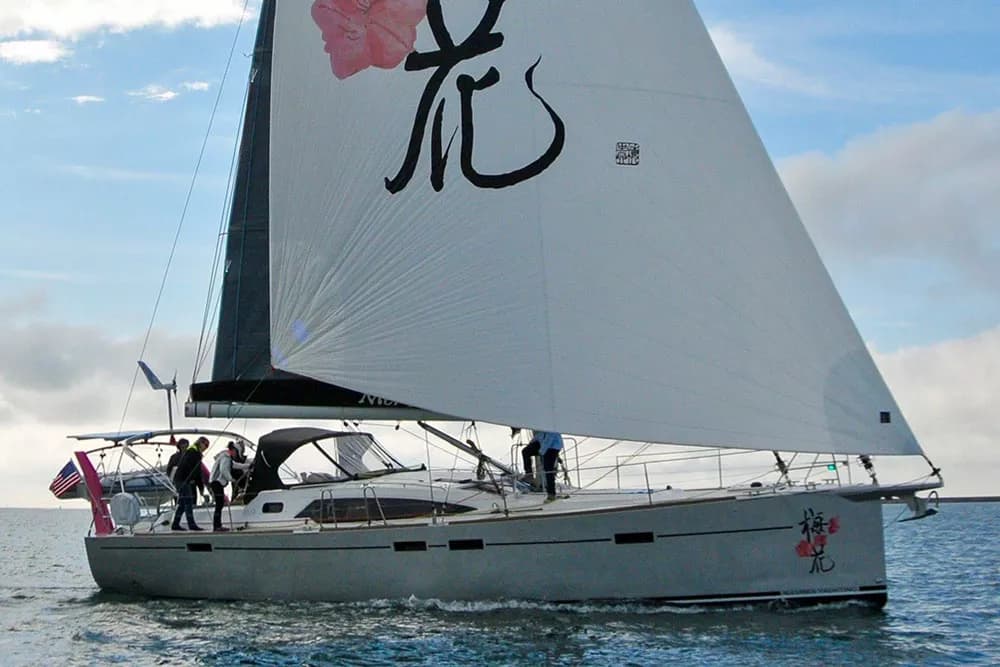
Modern yacht production timelines and delivery windows now hinge on coordinated shipments of prefabricated hull modules, carbon spars and proprietary resin systems through regional maritime hubs—Genoa, La Rochelle and Rotterdam frequently act as critical trans-shipment nodes—so port capacity, customs turnaround and specialist freight handling directly affect when a new or refitted cruising yacht becomes available for charter.
The evolution of blue-water construction
The shift from heavy, hand-laid glassfibre to engineered composites defines the last six decades of offshore yacht building. Early post-war GRP boats used thick solid laminates because polyester resin behaviour over decades was uncertain; the result was exceptionally robust, if heavy, hulls prized for offshore safety. Modern yards now favour sandwich construction, vacuum infusion and selective use of carbon fibre in high-load areas, producing lighter hulls without sacrificing stiffness and long-term durability.
For sailors choosing a long-range cruiser, the trade-off between displacement and performance remains central: heavier displacement hulls provide momentum and comfort in a seaway, while light-displacement designs deliver improved acceleration and often lower fuel consumption under power—both factors that influence operational costs for owners and the appeal of yachts available on the charter market.
📚 You may also like
Heritage yards: pillars of traditional design
Several established builders continue to set benchmarks for blue-water credentials. These names persist in brokerage and charter listings because their hulls have proven seaworthiness and longevity.
Hallberg-Rassy (Sweden)
Hallberg-Rassy blends classic blue-water security with refined joinery. Their evolution from the long-keeled Christoph Rassy designs to hull lines by Germán Frers kept the protected centre cockpit and cruising practicality sailors still trust for passages.
Nautor Swan (Finland)
Nautor Swan remains synonymous with performance cruisers and high-end finishes. Early Sparkman & Stephens hulls are sought after; modern Swans now push luxury and speed to the top tier of offshore yachting.
Hinckley Yachts (USA)
Hinckley exemplifies American craftsmanship with an emphasis on aesthetic refinement and offshore capability, a combination that appeals to both private owners and premium charter markets.
Malö Yachts (Sweden)
Malö focuses on strong, seaworthy hulls with secure cockpits and practical cruising features—favoured by sailors seeking comfort under way in challenging conditions.
Niche yards and aluminium explorers
When extreme durability, grounding tolerance or ice capability are required, aluminium and custom solutions have become the answer for many offshore voyagers.
- Alubat (Ovni) — lifting-keel aluminium production enabling access to shallow anchorages and beaching while retaining ocean-crossing capability.
- Garcia Yachts — Exploration-class aluminium yachts built for extended voyaging, including polar passages, often featuring deck saloons for protected viewing.
- KM Yachtbuilders — Bestevaer series: raw aluminium aesthetics combined with modern underwater sections for efficient passagemaking.
Material science: resin, lamination and carbon
Osmosis was the bogeyman of early GRP hulls; contemporary builders mitigate this with vinylester barriers and improved core materials. Vacuum infusion reduces voids and ensures repeatable laminate quality, while targeted use of carbon fibre—seen in yards such as Baltic Yachts—lets designers increase stiffness and reduce mass, allowing larger tanks and stores without undue weight penalties.
Practical implications for charter and rental fleets
Lighter, stiffer builds translate to better fuel efficiency and quicker passages, attractive attributes for charter operators seeking to reduce running costs and increase the number of cruising miles per trip. Conversely, classic heavy-displacement designs remain appealing to blue-water charter clients who prioritise comfort and motion at sea. For GetBoat and similar platforms, an awareness of these construction trends helps present accurate expectations to renters about performance, onboard comfort and provisioning needs.
Defunct builders and the brokerage market
The brokerage market thrives on proven "old-school" GRP classics from builders no longer operating. For budget-conscious sailors, a well-maintained hull from a defunct yard can represent exceptional value, provided buyers understand maintenance histories and structural checks—particularly laminate thickness and deck-to-hull bonding.
| Builder | Country | Strength | Typical Use |
|---|---|---|---|
| Hallberg-Rassy | Sweden | Seaworthiness & upscale joinery | Blue-water cruising |
| Nautor Swan | Finland | Performance & luxury | Fast cruising, yacht charter |
| Hinckley Yachts | USA | Craftsmanship & aesthetics | Premium private & charter |
| Alubat (Ovni) | France | Aluminium lifting-keel | Exploration & shallow waters |
| Garcia Yachts | France | All-weather aluminium | Long-range passages |
How design choices affect the rental and charter experience
Construction decisions—material, displacement, keel type—have direct consequences for charter suitability: shallow-draft lifting-keels open up sheltered anchorages and increase marina options; deck saloons improve liveability in cooler climates; carbon spars and reduced weight yield faster passages for clients chasing more miles per day. Operators and renters should match itinerary, crew comfort and activity plans (diving, fishing, day-sailing) to the vessel’s construction pedigree.
Quick checklist for prospective charterers
- Verify hull material and age; ask about vinylester barriers or osmosis treatments.
- Match keel type to intended anchorages and marina depths.
- Check fuel and water capacities relative to proposed passage lengths.
- Assess onboard comfort features: protected cockpit, heating, galley layout.
Key highlights include the shift from heavy GRP to engineered composites, the enduring value of heritage yards, and the growing role of aluminium for exploration craft; experiencing a new location is always a multifaceted process where one learns about the culture, nature, the indescribable palette of local colors its rhythm of life and also the unique aspects of the service, and if you are planning your next trip to the sea, you should definitely consider renting a boat (boat rentals, rent a boat, rent a yacht), as each inlet, bay, and lagoon is unique and tells you about the region just as much as the local cuisine, architecture, and language GetBoat.com
GetBoat always keeps an eye on developments in yacht construction and coastal tourism because we understand what it means to enjoy freedom on the water; our service values energy, choice and the ability to set your own course, offering options that suit every taste and budget while presenting clear details like make, model and ratings so clients can choose the right craft for a weekend sail, a multi-day charter or a long-range cruise.
In summary, the history and modern practice of sailboat construction—from Nicholson and early Nautor Swan hulls to contemporary builders such as Amel, Boreal and Baltic Yachts—shape how yachts perform, what marinas and logistics they require, and how comfortable they are for charter guests. Whether seeking a classic displacement cruiser or a lightweight passage-maker, understanding materials, design intent and supply-chain realities helps buyers and renters make informed choices. Platforms that prioritise transparency and comprehensive listings make it easier to find the right yacht, charter or sale—covering everything from superyacht options to small sailing charters in marinas, lakes and gulfs—so pick your destination, crew your captain and set sail with confidence. Enjoy the voyage.


