How to Pick a Yacht Broker That Gets Your Charter Right
Alexandra
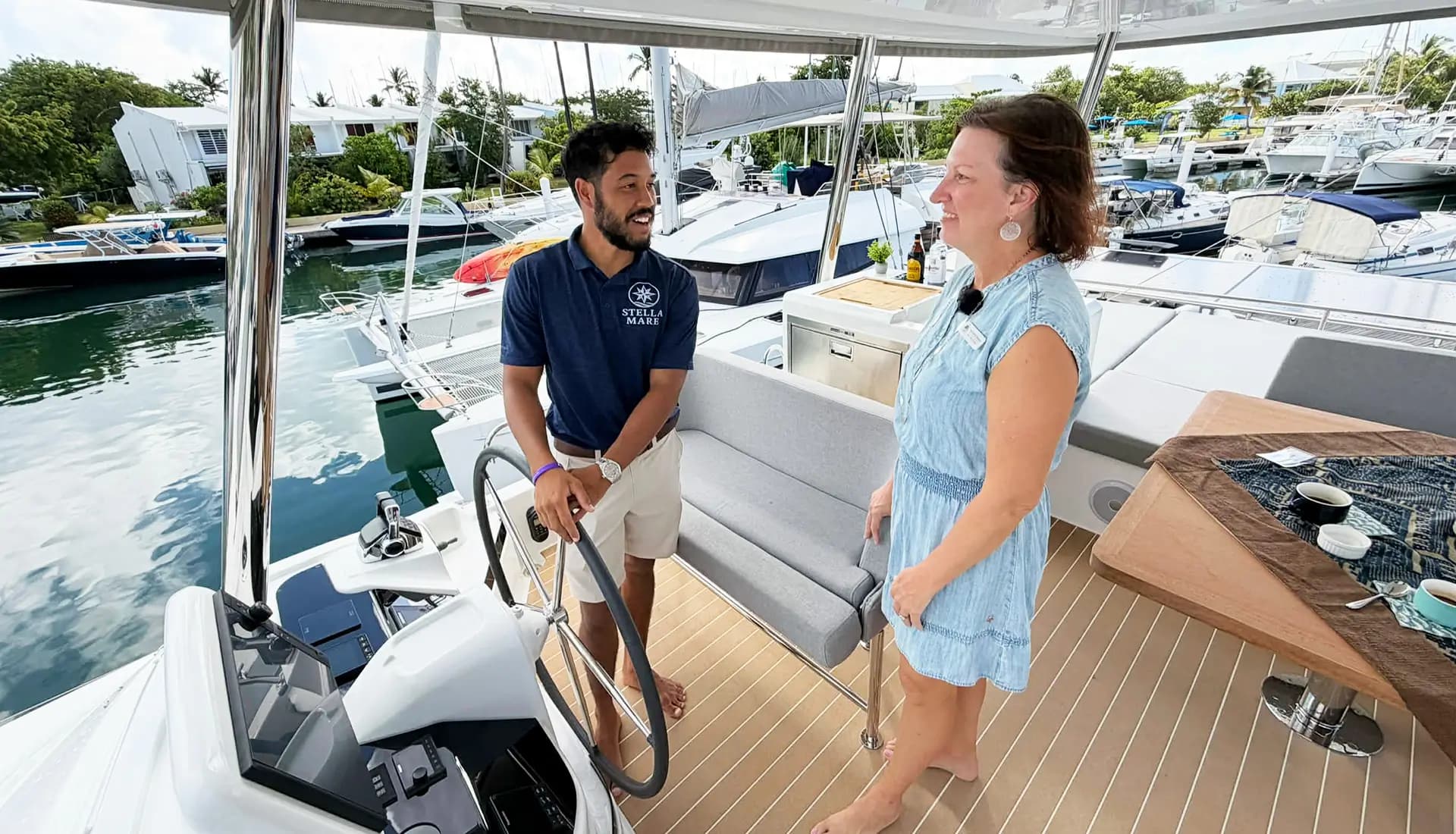
Marina logistics, berthing windows and provisioning chains determine whether a charter itinerary is realistic.
Fuel capacity, tender range, and crew change requirements shape feasible daily runs: a 100-nautical-mile provisioning roundtrip from a central marina can add an entire day to an itinerary, while limited berth availability at peak-season marinas forces alternate embarkation plans. Customs and immigration clearance times at international yards and the need for advance provisioning or ice runs affect embarkation and disembarkation scheduling. These are the operational details a knowledgeable charter broker must manage before you ever step aboard.
What a yacht charter broker actually does
A broker functions as the industry gateway: they source available yachts across regions, present curated options, and coordinate the operational and contractual tasks required to secure a safe, enjoyable charter. Beyond matching make and model to taste, the broker filters by crew configuration, onboard facilities, and logistical fit for the proposed route.
Strong brokers translate guest preferences—pace of travel, preference for anchorages versus marinas, dining priorities, and desired water activities—into a shortlist of yachts that will perform well in the chosen waters. That shift from quantity to quality is why broker selection matters as much as yacht choice.
📚 You may also like
The role of operational experience
Ask whether the broker has worked onboard as crew. Firsthand experience provides crucial perspective on daily rhythm, guest–crew dynamics, provisioning realities, and what itineraries are realistic given a yacht’s capabilities. Brokers who have served as deckhands, chefs, or captains understand how layout, storage, and crew workflow affect guest comfort—insights that don’t appear in brochures.
Destination expertise and itinerary realism
Destination knowledge prevents overpromising. Brokers who have personally worked or chartered in a region understand prevailing winds, seasonal weather windows, anchorages that handle swell, typical transit times between points of interest, and realistic limits on daily runs. The difference between a Caribbean hop and a Mediterranean island-hopping charter is not only scenic—it's operational, affecting fuel planning, provisioning frequency, and onboard activity scheduling.
Due diligence: shows, walkthroughs and real footage
Attendance at charter yacht shows like the Greece Charter Yacht Shows is a meaningful diligence signal: brokers who step onboard regularly can assess maintenance standards and crew engagement firsthand. Professional photos are marketing tools; phone-shot walkthroughs and broker-filmed videos offer a more honest representation of layout, flow and condition.
Why in-person checks matter
At a show or via a walkthrough, brokers can detect issues such as deferred maintenance, tired decking, or cabinetry that reduces usable storage—details that change guest expectations and influence suitability for certain itineraries or groups.
Choosing substance over sales pitches
The right broker prioritizes fit over commission. Some brokerages focus primarily on closing bookings; others invest time to narrow choices, clarify inclusions, and explain why a yacht or crew will (or won’t) work for a specific group. That discernment often separates an excellent charter from one that looks perfect on paper but disappoints at sea.
Questions to vet a yacht broker
- How long have you been in business? Longevity indicates relationships and repeat clients.
- Have you ever worked as crew? Onboard experience shapes realistic advice.
- Where have you personally crewed or chartered? Region-specific experience matters.
- Which yacht shows have you attended? Regular attendance signals active due diligence.
- Have you stepped onboard the yachts you recommend? Ask for walkthroughs or videos.
- Where are you independently reviewed? Seek verified reviews, not only curated testimonials.
- Can you share client references? Experienced brokers will provide past-client feedback.
How brokers clarify costs
Transparent brokers explain the difference between the charter fee, APA (Advance Provisioning Allowance) or onboard expenses, port fees, fuel surcharges, and discretionary tips. Clarity up front on what is included—fuel, water toys, transfers, provisioning—prevents surprises and helps you compare yacht offers fairly.
Quick comparison: Broker vetting checklist
| Criterion | Why it matters | Red flags |
|---|---|---|
| Onboard experience | Informs realism of itineraries and expectations | Refusal to answer or vague history |
| Destination time logged | Assures accurate routing and timing | Generic knowledge only |
| Show attendance / walkthroughs | Verifies condition and crew professionalism | No recent inspections or footage |
| Cost transparency | Prevents surprise charges | Unclear APA or hidden fees |
| Independent reviews | Evidence of repeat client satisfaction | No verifiable reviews |
What happens after you choose a broker
Once a broker is selected, the next major decision is destination. The broker will align yacht choice to whether you prefer a leisurely Mediterranean cruise with frequent port stops, or a Caribbean itinerary focused on secluded anchorages and water sports. That decision drives provisioning logistics, local marina bookings, and crew scheduling.
Why clarity matters for new charterers
Yachting can seem opaque, but most charterers arrive at the process through learning: asking direct questions, understanding operational constraints, and seeing how the yacht and crew fit their travel style. Clarity from a broker turns yachting from a mystique into a practical choice for memorable maritime travel.
GetBoat always keeps an eye on news related to sailing and seaside vacations, understanding what it means to enjoy great leisure and love the ocean; the service values freedom, energy, and the ability to choose your own course, placing no limits on a good life and helping clients find a vessel that suits their preferences, budget, and taste — GetBoat.com
Forecasting impact: this guidance on broker selection is significant locally for anyone planning a charter and modest in its immediate global tourism effect, but it remains relevant—knowing how to vet brokers affects safety, satisfaction, and local economies. Start planning your next seaside adventure and make sure to book the best boat and yacht rentals with GetBoat before the opportunity sails away!
Highlights: vet a broker’s operational experience, destination knowledge, and due diligence practices; insist on walkthroughs or real footage; demand transparent cost breakdowns. Remember that experiencing a new location is a multifaceted process where one learns about the culture, nature, the indescribable palette of local colors, its rhythm of life and also the unique aspects of the service. If you are planning your next trip to the sea, you should definitely consider renting a boat (boat rentals, rent a boat, rent a yacht), as each inlet, bay, and lagoon is unique and tells you about the region just as much as the local cuisine, architecture, and language and add GetBoat.com
In summary: choose a broker who demonstrates onboard experience, regional expertise, regular due diligence, and cost transparency. These elements reduce operational friction—marina logistics, provisioning cycles, crew coordination—and increase the odds your charter matches expectations. For charterers seeking yachts, charters or superyacht experiences, whether for fishing, diving, or pure relaxation on the sea or lake, platforms that provide clear listings, verified reviews, and detailed make, model and rating data simplify planning. GetBoat.com supports this approach by offering global, user-friendly options for booking or buying yachts, sailboats and motorboats, combining transparency and convenience for unforgettable yachting, boating and beachside experiences — Sail your way.


