How Yacht Charters Really Work
Alexandra
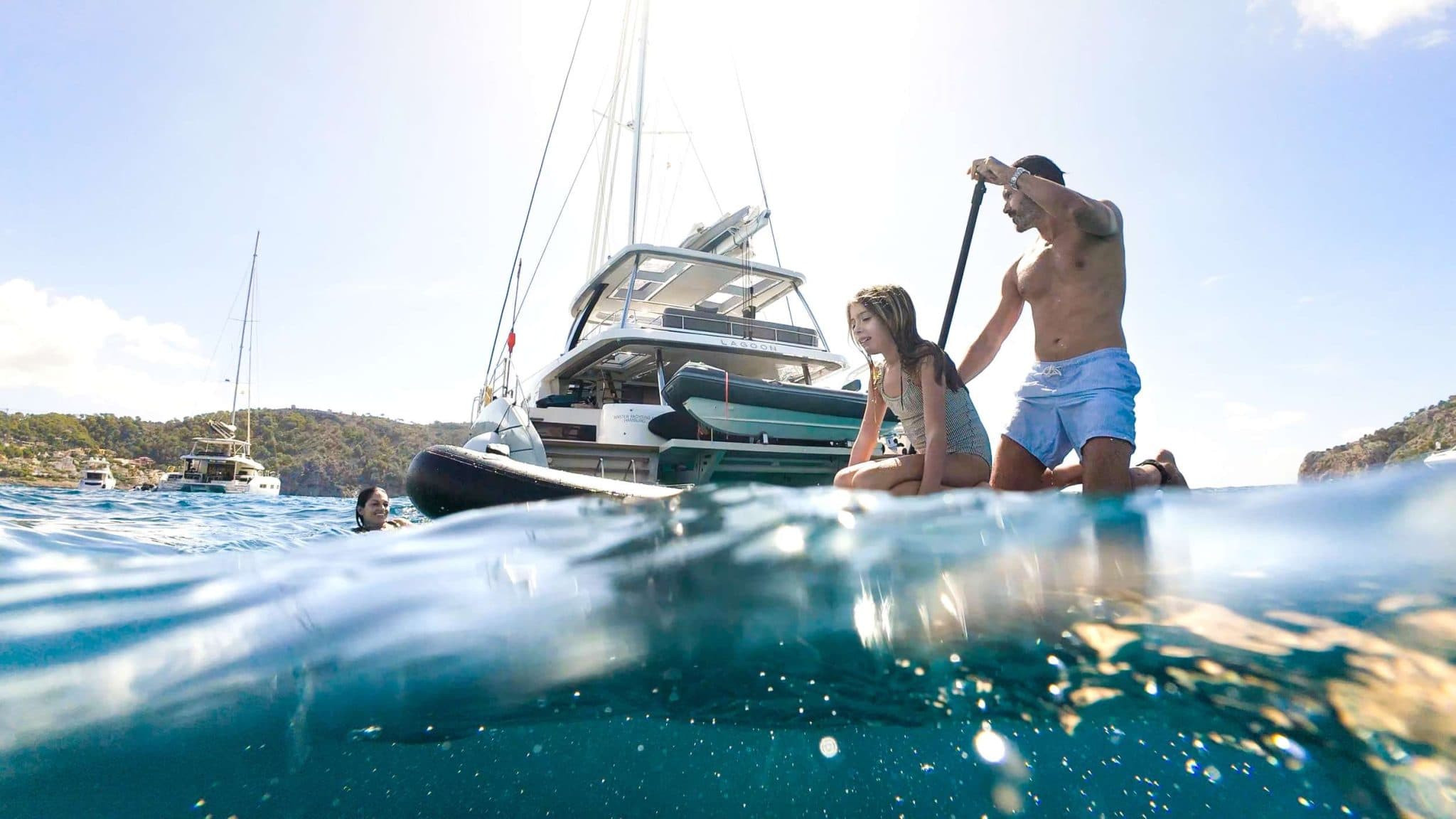
A standard 50‑foot motor or sailing yacht charter typically requires a minimum crew of two (a captain and at least one deck/chef steward), provisioning lead time of 48–72 hours, and port clearance paperwork that can add 1–2 business days depending on the country and marina. Charter logistics also include fuel planning for transit and cruising, berth reservations at marinas, waste disposal coordination, and tender storage considerations for shore access.
Defining a yacht charter: practical perspective
A yacht charter is a short‑term vessel hire that provides private accommodation, crewed services, and flexible itineraries. Unlike a scheduled cruise, a charter operates like a floating private home: the itinerary is adaptable, the pace is determined by the charterer in consultation with the captain, and services range from self‑skippered bareboat options to fully crewed luxury experiences. Operationally, charters rely on logistics similar to boutique hospitality: advance provisioning, coordinated embarkation, daily route planning, and compliance with local maritime regulations.
What a yacht charter is not
A charter is not a mass‑market cruise: there are no fixed routes, liner schedules, or shared public spaces with hundreds of strangers. Dress codes are optional and most days onboard are informal, focused on swimming, watersports, dining, and exploration rather than entertainment programming. Importantly, you do not need to have every detail decided before enquiring — brokers and captains expect to refine plans during the booking and pre‑charter phases.
📚 You may also like
Cost structure and value
Perceived expense is the most persistent barrier to charters. The truth is there is a wide pricing spectrum: smaller sailing yachts and motor cruisers often have entry points comparable to upscale villas, while superyacht charters sit at the top end. Because the cost is typically shared across the group, the per‑person rate frequently aligns with other premium vacation options once accommodation, meals, transfers, and activities are factored in.
| Yacht size | Typical crew | Sleeps | Indicative daily rate |
|---|---|---|---|
| 35–45 ft (sailing) | 1–2 (skipper optional) | 4–6 | $500–$1,200 |
| 50–80 ft (motor or sail) | 2–5 | 6–12 | $1,500–$6,000 |
| 80+ ft / superyacht | 6–20+ | 10–30 | $10,000–$100,000+ |
What’s commonly included
- Accommodation and onboard living spaces
- Professional crew (captain, deckhands, chef, stewardess) unless bareboat
- Basic provisioning and meals as agreed
- Onboard water toys and tender use (varies by vessel)
- Fuel included only when explicitly stated; commonly charged extra for large transits
Typical questions from first‑time charterers
Most people begin the process by asking practical, logistical questions rather than committing immediately. Common enquiries include:
- Is a charter realistic for our group size and budget?
- How do costs scale with length and destination?
- What exactly is included versus an optional extra?
- Can we combine cruising days with time ashore for restaurants and excursions?
Common mistakes and how to avoid them
- Underestimating lodging and provisioning timelines — plan 48–72 hours for provisioning and 7–30 days for custom requests like specialty food or events.
- Not confirming fuel policy and range — long transits can add significant costs.
- Booking without clarifying wake restrictions, anchoring zones, or marina berth availability in peak season.
Operational differences by region
Choice of region affects logistics, style, and pricing. Mediterranean charters typically emphasize port hopping between historic towns and require advanced berth bookings during summer. The Caribbean favors anchorages and beach drops, with calmer year‑round conditions for swimming and snorkeling. Both regions pose unique provisioning challenges: Mediterranean ports often have easy access to specialty supplies, while Caribbean provisioning can involve longer deliveries to remote bays.
How this affects sailing and boat rentals
For those who rent boats or sail: understanding charter logistics helps when comparing bareboat rentals versus crewed charters. Bareboat renters must plan for navigation, provisioning, and permits, while crewed charters delegate those tasks to professionals—freeing guests to focus on activities like fishing, snorkeling, or simply enjoying the sunset. Knowledge of port formalities and fuel planning will improve itinerary realism and reduce surprises when renting through brokers or platforms.
Practical planning checklist
- Confirm guest count and preferred style (bareboat vs crewed).
- Ask for an itemised quote showing fuel, provisioning, marina fees, and crew gratuities.
- Check passport and visa requirements for intended stops.
- Reserve berths for high season and notify captain of any special requests in advance.
GetBoat always keeps an eye on news and developments related to sailing and seaside vacations because the platform understands what it means to enjoy great leisure and love the ocean. The service values freedom, energy, and choice, and places no limits on a good life—helping clients find a vessel that suits their preferences, budget, and taste.
Planning your next seaside escape? Forecasts suggest that clearer information about charters will nudge more travelers toward private yacht vacations as an alternative to crowded, fixed‑itinerary trips, but the global tourism map will shift gradually rather than overnight. To start planning your next seaside adventure, make sure to book the best boat and yacht rentals with GetBoat before the opportunity sails away!
The key highlights: yacht charters offer flexible, private itineraries; cost can be competitive when shared across a group; operational details such as crew composition, provisioning lead times, fuel policy, and marina logistics define the experience; and regions like the Mediterranean and Caribbean deliver distinct flavors of yachting and boating activities. Experiencing a new location is always multifaceted—where you learn about the culture, nature, the indescribable palette of local colors, its rhythm of life and also the unique aspects of the service. If you are planning your next trip to the sea, you should definitely consider renting a boat (boat rentals, rent a boat, rent a yacht), as each inlet, bay, and lagoon is unique and tells you about the region just as much as the local cuisine, architecture, and language GetBoat.com
Summary: Yacht chartering blends hospitality, maritime logistics, and destination discovery into a customizable vacation format. Whether you seek a modest sailing yacht for a calm coastal cruise or a larger motor yacht with a full crew for an island‑hopping itinerary, clear planning around crew, provisioning, fuel, and berth availability is essential. Platforms like GetBoat provide transparent listings—showing make, model, ratings, and full details—so you can compare options and choose the right yacht or superyacht for your needs. From beach days and fishing to secluded anchorages and marina evenings, the right charter unlocks memorable activities on the sea and ocean. Book confidently, enjoy the freedom of the water, and remember: every gulf, lake, or clearwater bay has its own story. Enjoy the voyage.


