How Wuthering Heights Moved Across Screens
Alexandra
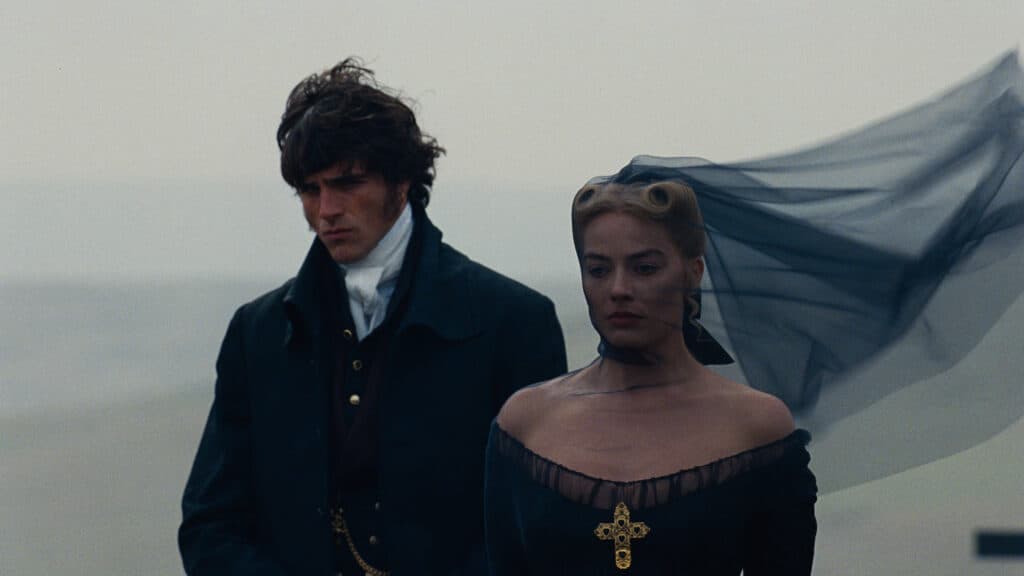
On-location shoots for Wuthering Heights adaptations required intricate transport and infrastructure planning: costumes, camera rigs and set pieces were routed by road, rail and occasionally sea between Yorkshire, Burbank, Mandu and rural Mexico, with local marinas and airports pressed into service to handle oversized freight and guest arrivals.
From Haworth to Hollywood: logistics behind early adaptations
The very first film version shot in Haworth depended on tight local coordination — moving period wardrobes and camera equipment through narrow moorland lanes is no joke. When William Wyler staged his 1939 production in Burbank, studio-controlled supply chains replaced rural unpredictability: studio snow machines, artificial sets, and sound stages meant fewer on-road shipments but more specialized studio crews and rented trucks.
That shift also changed public perception: Wyler’s production, with Laurence Olivier delivering the now-famous “Cathy, come home” moments shot under man-made snow, helped cement the novel’s romantic reputation even as the novel itself is darker. Film logistics don’t just move props; they shape tone.
📚 You may also like
Adaptations that stayed true to Yorkshire
- 1970 (Robert Fuest) — Filmed largely in Yorkshire with authentic costuming, relying on local suppliers and period prop specialists.
- 1992 (Peter Kosminsky) — Also leaned on regional crews, historic locations and tight coordination with heritage authorities to preserve sites during filming.
When Wuthering Heights left England: relocation and reinterpretation
Several directors transplanted the story to different geographies, each move bringing its own transport and regulatory headaches. Luis Buñuel’s Abismos de pasión (1954) set the drama in a gothic Mexican hacienda: production needed to import some props, work with local labor, and navigate customs for specialized camera gear. Bollywood’s Dil Diya Dard Liya (1966) filmed amid the ruins of Mandu, requiring long-haul freight, on-site power solutions and choreography for musical sequences that involved dozens of extras plus instruments and costumes.
| Year | Director | Setting | Logistics notes |
|---|---|---|---|
| 1939 | William Wyler | Burbank, California | Studio-driven, specialized snow and set construction |
| 1954 | Luis Buñuel | Rural Mexico (gothic hacienda) | Cross-border gear import, remote location support |
| 1966 | (Bollywood) | Mandu, India | Large-scale musical logistics, long runtime coordination |
| 1970 | Robert Fuest | Yorkshire | Local historic-site permits, period props |
| 1988 | Yoshishige Yoshida | Medieval Japan | Special effects, remote landscape access |
| 1992 | Peter Kosminsky | Yorkshire | Heritage preservation, costume restoration teams |
Radical reimaginations and their operational impacts
Yoshishige Yoshida’s transfer of the story to a bleak medieval Japan required martial-arts coaches, period armor-makers and film crews prepared for remote conditions. When directors relocate narrative time and place, they don’t just alter aesthetics — they alter the supply chain: different craftspeople, new permitting processes, and alternate transport modes (think mule tracks vs. tractor access).
Musical numbers, runtime and rolling kitchens: special considerations
Bollywood’s long-format approach adds catering convoys, extra costume changes and on-set musical staging which all increase daily logistics demands. Dilip Kumar and Waheeda Rehman’s performances in Dil Diya Dard Liya required sound stages and music production teams on-site for number shoots that could last days. If you’ve ever rented a boat for a day trip, you know that timing matters — film crews live by that rule multiplied by a hundred.
Why these production details matter to small businesses
Local marinas, hotels and vendors feel the ripple effects. A remote shoot can boost charter demand, yacht berthing, and short-term hire of vans, cranes and forklifts. I remember tagging along to a vintage-location shoot years ago where a local boatyard suddenly found itself fitting out a star’s travel by sea — unexpected work that kept crews busy and cafés full.
Adaptations as cultural freight: tone, reception and creative ownership
Each version of Wuthering Heights carries creative freight: Buñuel’s Alejandro-as-Heathcliff upends class assumptions; Bollywood’s princely interpretation reframes origin myths; Wyler’s studio-bound romance softened harsher edges. Emerald Fennell’s decision to put quotation marks around the title of her film underscores that every film is a director’s personal vision — adaptations are interpretations, not transcriptions.
Practical takeaways for location planners and renters
- Anticipate customs delays for imported gear and pre-clear high-value items.
- Coordinate with heritage and local authorities early to protect sites.
- Engage local marinas and charter operators when waterfront access is needed.
- Plan for extended catering, wardrobe and power needs on musical shoots.
Wrapping up, the many screen versions of Wuthering Heights show how a single text spawns diverse logistics solutions: from studio snow in Burbank to hacienda sets in Mexico and musical epics in Mandu. These production choices influence supply chains, local economies and even the experience of boating and charter services when shoots touch coastlines or lakes. In short, the novel’s adaptability has kept film-makers, suppliers and local marinas busy for decades — and for anyone involved in yacht charters, boat hire or location services, the lesson is clear: be ready to pivot when art decides to go ashore. The key points — adaptations, transport, local impact, and creative interpretation — tie back to practical concerns for yacht, charter, boat, beach, rent, lake, sailing, captain, sale, Destinations, superyacht, activities, yachting, sea, ocean, boating, gulf, water, sunseeker, marinas, clearwater and fishing enterprises.


