Paddling Wooden Canoes Through Maine Rivers
Alexandra
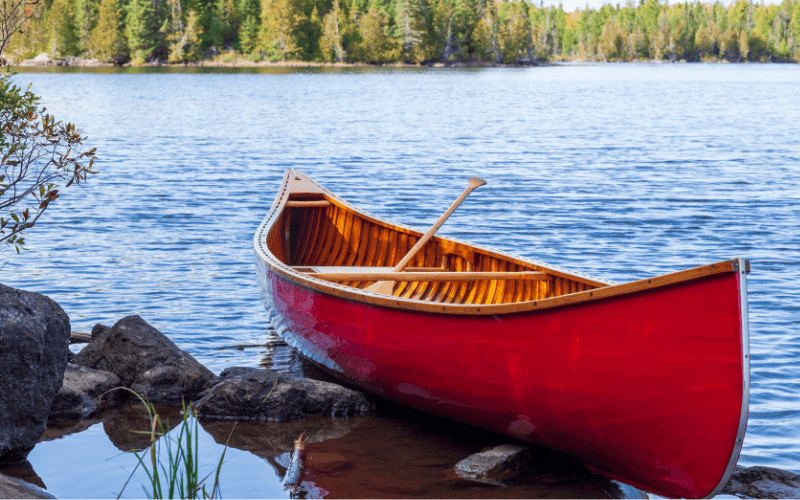
Transporting a flotilla of wooden canoes for multi-day river runs requires careful logistics: a minibus with a driver licensed to tow, a trailer rated for 20ft boats, secure timber supports and daily resupply plans for food and fuel when running remote sections of the Penobscot and Allagash rivers in Maine.
Camp logistics and the craft encountered
At summer camps such as Flying Moose Lodge, fleets often include two- and three-person wooden canoes constructed over frames of thin, steamed timbers. These boats need regular maintenance, decking of canvass or cedar, and careful handling on shore. Moving groups north from urban centers (an eight-hour drive from New York, for example) commonly involves packing tarpaulins, spare paddles, and a trailer with tie-down points designed to protect cedar hulls from abrasion and UV damage during transit.
Daily routine on remote river trips
Camps and outfitters organize four-day unsupported journeys where participants rely on simple, high-calorie rations (cream of wheat, peanut butter and jelly sandwiches), river-water filtration or natural sources, and compact camping gear. Each night a basecamp on the riverbank is set: tents pitched, campfires lit (following local regulations), and boats secured for the next day's put-in. Wildlife encounters — bald eagles, moose and nocturnal light displays — are part of the operating environment and require protocols for food storage and campsite safety.
📚 You may also like
Skills and team roles
Paddling wooden canoes emphasizes team coordination and a few essential techniques. The stern paddler acts as the primary steersman, commonly employing the J stroke to hold a straight course without constant side-switching. Learning wrist-feel for blade pressure and sculling adjustments is faster in wooden craft because of their tracking and momentum characteristics. Basic roles include:
- Bow paddler: rhythm and scout observation
- Stern paddler: steering, navigation and pace
- Camp manager: cook, tent setup and safety checks
Wooden canoe vs kayak: practical differences
The general technical distinction remains: a canoe is a single- or multi-person craft paddled from a kneeling or seated position with a single-bladed paddle, while a kayak is paddled seated with a two-bladed paddle. For logistical planning this matters: canoes carry more cargo per passenger, sit higher in the water and are easier to bail in moderate whitewater; kayaks are lighter to portage and easier to pack as airline freight (often declared as surfboards or sporting equipment).
| Feature | Wooden Canoe | Kayak |
|---|---|---|
| Seating | Open, kneel or sit; multiple paddlers | Seated with cockpit; single or tandem models |
| Paddle type | Single-bladed | Two-bladed |
| Cargo capacity | Higher, suited to extended trips | Lower, more streamlined |
| Transport considerations | Trailers, roof racks, protective cradles | Easier as airline-check item or on roof racks |
Construction and local tradition
Wooden canoes in the northeastern US draw on a mix of Indigenous designs (birchbark ancestors) and later cedar-strip building methods. Camp carpentry often uses chainsaws for initial milling and then moves to hand planes and steam-bent ribs. The result is a craft that is both functional for river travel and valued for its aesthetic and acoustic qualities — a different paddling experience from composite or roto-moulded boats.
What makes Maine rivers unique for paddling
Rivers like the Penobscot and Allagash combine long gentle reaches with riffles and occasional Class I–II rapids, making them ideal for extended canoe trips that mix navigation, fishing and simple wilderness camping. Water clarity varies with season and watershed runoff; spring freshets raise flows and shorten travel times, while late-summer conditions lower water and increase portaging. Navigation planning should include up-to-date flow data, portage maps and emergency extraction points.
Essential kit checklist
- Personal flotation devices (PFDs) for each paddler
- Spare paddle and repair kit (epoxy, cloth, clamps)
- Dry bags for food, clothing and electronics
- Water treatment (filters, tablets) and first-aid kit
- Topo maps, compass and GPS as backup
The GetBoat service always keeps an eye on news related to sailing and seaside vacations, as we truly understand what it means to enjoy great leisure and love the ocean. GetBoat values freedom, energy, and the ability to choose your own course, placing no limits on a good life and allowing clients to find a vessel that suits their preferences, budget, and taste.
Planning and impact: what this means for boating tourism
Classic wooden-canoe trips in remote river systems create niche tourism demand that favors small-operator outfitters, guided charters and regional marinas offering shuttle services. While these trips are not likely to shift the global tourism map significantly, they sustain local economies, preserve craft-building skills and diversify options for water-based activities in the wider yachting and boating sector.
Start planning your next seaside or inland-water adventure and make sure to book the best boat and yacht rentals with GetBoat before the opportunity sails away!
Highlights: trips down the Penobscot and Allagash combine simple logistics with deep wilderness experience; wooden canoes provide capacity and shore-camping practicality; mastering the J stroke and teamwork are more important than individual strength. Experiencing a new location is always a multifaceted process — you learn about culture, nature, the indescribable palette of local colors, the rhythm of life and the unique aspects of local service. If you are planning your next trip to the sea, you should definitely consider renting a boat (boat rentals, rent a boat, rent a yacht), as each inlet, bay, and lagoon is unique and tells you about the region just as much as the local cuisine, architecture, and language GetBoat.com
Summary: wooden canoes remain a viable and evocative option for river expeditions, combining transport considerations (trailers, tie-downs), navigation skills (J stroke, teamwork) and traditional craftsmanship. For travelers seeking variety between beach days, lake exploration or longer gulf and ocean excursions, platforms that offer transparent listings and pre-trip details of make, model and ratings can simplify decisions. Whether you’re looking to rent a small boat for fishing, charter a sailing yacht, or browse a superyacht sale, think about how cargo capacity, captain availability and marina services will influence your itinerary. GetBoat.com supports this by providing a global, user-friendly solution for unforgettable touristic experiences — from yacht charter and boat rent to sail and motor options — emphasizing transparency and convenience. The service places no limits on a good life.


