The Haunting Landscape and Lore Inspiring We Call Them Witches
Alexandra
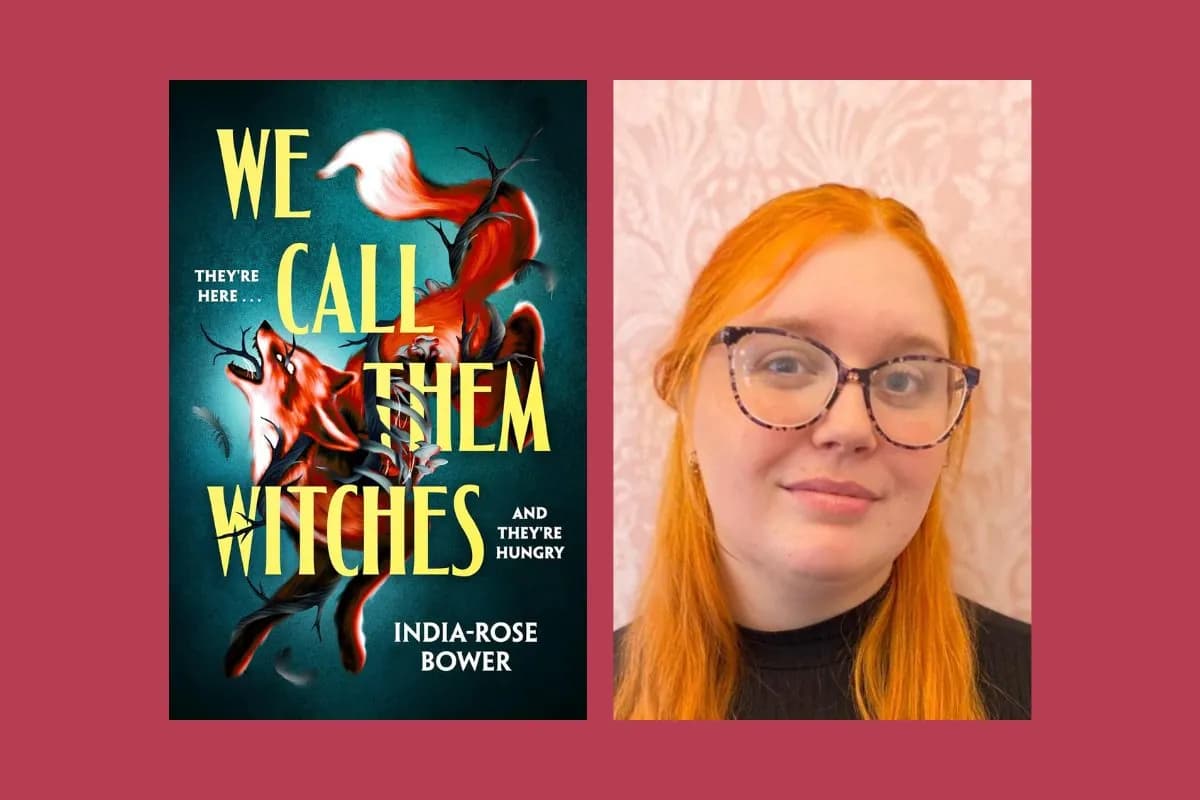
A Glimpse into the World of We Call Them Witches
We Call Them Witches is an atmospheric novel set against a grim dystopian backdrop, where sinister supernatural creatures, referred to simply as “Witches,” have upended the lives of the protagonist Sara and her family. The story unfolds two years after these mysterious beings began attacking people without warning, forcing Sara’s family into a cautious existence reliant on pagan rituals and ancient folklore for protection. When a new character named Parsley arrives and disrupts their fragile peace, Sara’s brother Noah is taken, propelling her into a harrowing quest to confront the unknown terrors stalking the countryside.
The Unique Nature of the Witches
The witches of this story diverge sharply from the typical pop culture imagery. They embody the dark fears rooted in rural folklore, echoing the eerie and unnatural formations found in Yorkshire’s landscapes—twisted trees, strange rock shapes, and markings that seem otherworldly. These beings represent raw, primal terror, linked to ancient fears of death, loss, and the inexplicable, manifesting a nameless danger to those caught in their path. The author draws inspiration from a lineage of horror tales that return classic mythical creatures to their fearful origins, emphasizing human vulnerability rather than supernatural spectacle.
Yorkshire’s Landscape: A Character in Its Own Right
The moors, woods, and lonely villages of Yorkshire do more than just set the scene—they permeate the narrative with atmosphere. The novel’s intimate connection to this rugged countryside stems from deep personal experience and childhood memories. The landscape—with its reservoirs, twisted moors, and dense woods—is steeped in local stories and folklore, shaping the characters’ lives and their lore-based defenses. The harsh but beautiful environment is portrayed as both a sanctuary and a menace, an ever-present force affecting the rhythms of survival.
📚 You may also like
| Element | Significance in the Story |
|---|---|
| Twisted Trees and Rock Formations | Serve as eerie landmarks and symbols of otherworldly presence |
| Folk Rituals & Pagan Lore | Key survival tools tying characters to ancient protective traditions |
| Deserted Villages and Foggy Moors | Enhance the bleak, post-apocalyptic mood and sense of isolation |
| Family Bonds | Offer moments of hope and warmth amidst the terror |
Roots of Fear: Historical and Folkloric Underpinnings
Fear of witches and dark forces has a long and complex history in human culture. The concept of witches has evolved from early fears of the unknown — ranging from illness and death to social anxieties — and has often been a scapegoat for explaining misfortunes. Historically, many cultures have held beliefs about witches both feared and revered, often tying them to nature’s cycles and taboo powers.
In the Yorkshire countryside, the layering of folklore with real historical tales, such as stories of smugglers, local tragedies, and superstitions, creates an intricate cultural backdrop essential for the novel’s rich texture. These tales are not mere fanciful stories but living memories that connect people with the land and its mysteries.
Pagan Traditions and Modern Reflections
The use of pagan rituals in the story speaks to a resurrection of ancient customs, often misunderstood or dismissed by the modern world but closely tied to nature and the rhythms of life and death. These practices provide more than just narrative action; they symbolize the endurance of human spirit and cultural memory in times of crisis. The blend of ritual with personal compulsion and superstition illustrates how belief systems adapt — sometimes as protective measures against chaos and fear.
Moments of Light in a Shadowed World
Amidst the horror and uncertainty, the story also explores the warmth and resilience of family. The moments of levity and love are not just a respite from fear, but an essential counterbalance that heightens the stakes of the horror. The contrast between dark and light—hope and despair—is a fundamental element that keeps readers engaged and deeply invested in the characters’ journeys.
The Psychology of Fear and Hope in Storytelling
True terror requires a grounding in what is cherished and known. When readers see a character’s normal life, relationships, and joys, the threat becomes all the more potent. The emotional complexity of reaction to fear—whether paralysis, fight, or flight—is vividly depicted, showing different ways people cope under extreme stress. This dynamic is vital not only to the story but also to the enduring appeal of folk horror in literature and film.
Forecasting the Impact of Folk Horror in Global Tourism
The resurgence of folk horror, exemplified by stories such as this, taps into a growing curiosity for authentic cultural experiences linked to history, mythology, and natural landscapes. Regions with rich folklore and evocative scenery, like Yorkshire, are increasingly sought after by travelers intrigued by mystery and tradition. This trend also fuels interest in rural escapes and nature-based tourism, offering opportunities to explore moors, forests, and lakes that inspired such narratives.
From a broader perspective, folk horror themes encourage cultural preservation and awareness, inviting visitors to engage with both tangible landscapes and intangible heritage. This creates a unique blend of adventure and reflection, enriching the experience beyond typical sightseeing.
Connecting the Dots: Folk Horror and Sailing Adventures
While the novel’s setting is inland, the spirit of exploration into the unknown, the communion with nature, and the interaction with ancient traditions can easily translate to coastal and maritime environments. Many sailing destinations incorporate local myths and historical tales that enrich the journey on the water. Exploring such stories while anchored in clearwaters or sailing along rugged coastlines adds a layer of depth to yachting adventures.
Marinas near areas with folklore-rich histories often serve as gateways to unique boating experiences where sunset cruises or fishing trips are laced with storytelling. For those chartering yachts or boats, incorporating regional stories into the travel itinerary can transform a simple boat rental into an immersive cultural expedition.
Conclusion: Mystery, Family, and the Timelessness of Folklore
We Call Them Witches weaves together a haunting tale rooted in Yorkshire’s rugged landscape, deep-seated folk traditions, and the powerful bonds of family. It revives the primal nature of fear through unearthly creatures while balancing the darkness with light, hope, and warmth. The novel is a testament to how storytelling connects us with history, place, and each other in profound ways.
As interest in folk horror and culturally rich travel grows, so does the potential for destinations entwined with stories and nature to thrive within the tourism industry. For sailing enthusiasts and those looking to explore beyond typical luxury yachts or beach vacations, embracing destinations with folklore offers an extraordinary boating adventure full of history, mystery, and the endless allure of the sea and lakes.
For readers interested in adventures both on land and water, GetBoat.com is an international marketplace for chartering sailing boats and yachts, offering options to explore enchanting coastlines, serene lakes, and vibrant marinas—perfect for travellers seeking experiences that blend nature, culture, and storytelling. Whether it’s a leisurely sunset sail or a fishing expedition, GetBoat provides varied options to suit every taste and budget, making the journey as memorable as the destination itself.


