Winter Cyclone Set to Cause Snow, Ice, and Travel Disruptions Across the U.S.
Alexandra
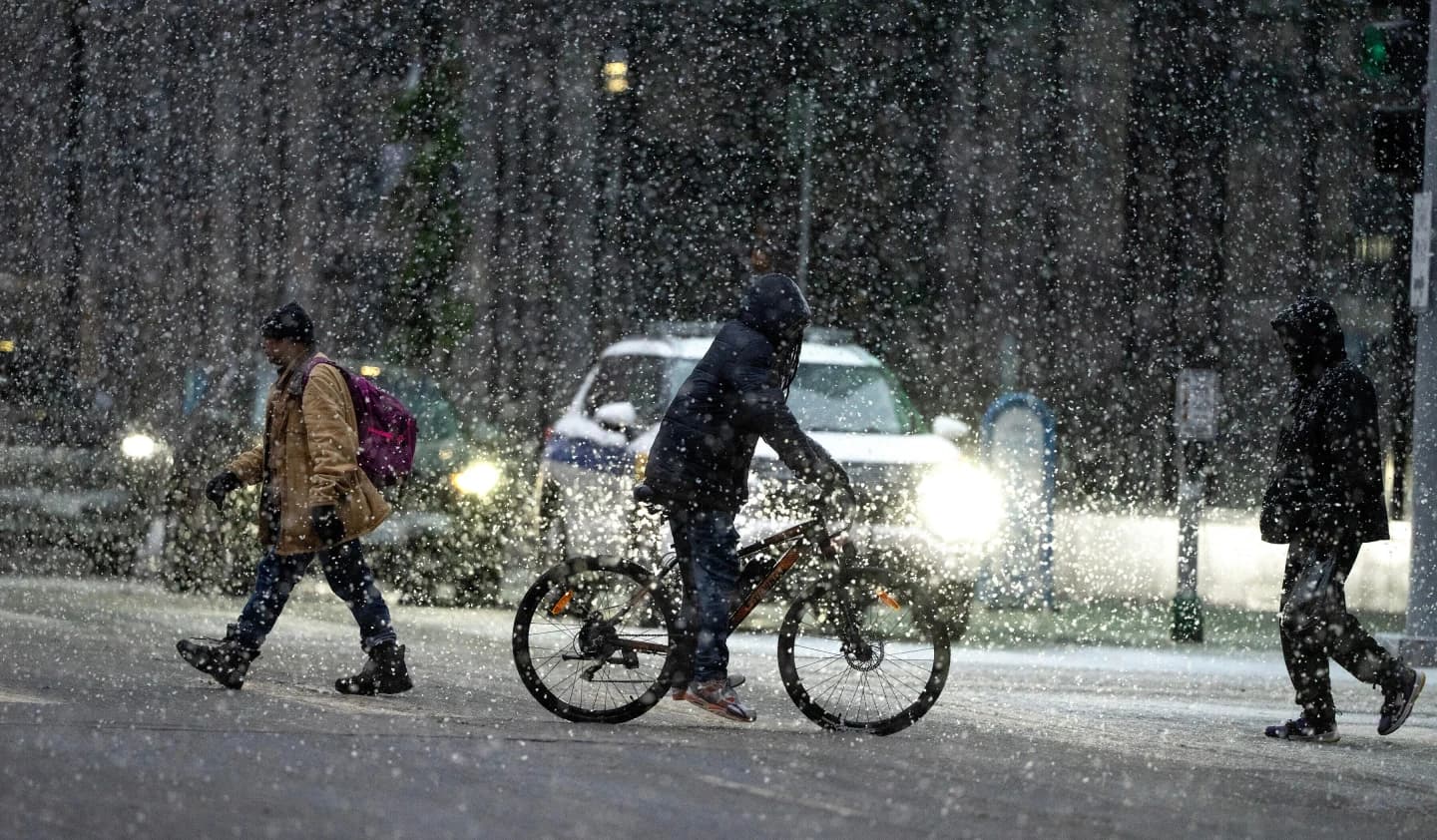
Overview of the Incoming Winter Storm
An intense winter storm is currently advancing from the Plains toward the eastern United States, driven by a formidable atmospheric cyclone. This powerful weather system is triggering a mix of snow, ice, rain, and severe weather conditions expected to impact large parts of the country. Meteorological experts warn that the storm could create challenging and hazardous travel conditions during the busy holiday season.
Snow and Blizzard Conditions in the Midwest and Great Lakes
Snowfall has already begun to spread across the Upper Midwest, accompanied by strengthening winds. The National Weather Service has issued warnings about whiteout and potential blizzard conditions in several areas, which could render travel impossible at times. In some locations near the south shore of Lake Superior, snowfall totals might reach up to two feet (61 centimeters), with over a foot expected throughout parts of the upper Great Lakes region. Such conditions typically disrupt roadways and airports, necessitating caution for travelers.
Storm Impact in the Southern United States
In the southern states, severe thunderstorms are on the horizon with the approach of a sharp cold front. Known colloquially as a “Blue Norther,” this front will bring a rapid temperature drop coupled with strong north winds. The arrival of this cold air mass will abruptly end a spell of record warmth that has persisted through the region. The combination of thunderstorms and sudden chills could catch outdoor enthusiasts and holiday travelers off guard.
📚 You may also like
Widespread Weather Effects Across the East
Over the next two days, the cyclone is forecasted to intensify while moving eastward. This progression will lead to a broad spectrum of weather events including heavy snow and blizzard scenarios in the Midwest and Great Lakes, freezing rain in New England, and thunderstorms stretching through the eastern United States and the South. Accompanying the precipitation will be persistent strong winds, exacerbating travel delays and safety concerns.
Historical Context of Winter Storms in the U.S.
Winter storms of this magnitude are not uncommon in the United States, particularly as contrasting air masses collide during the transition between fall and winter months. Historically, intense cyclones have formed in the central plains, drawing frigid Arctic air southward while blending with warmer, moist air from the Gulf of Mexico. This clash of temperatures and humidity often results in powerful snowfalls, ice storms, and sometimes severe thunderstorms in southern states.
The Great Lakes region frequently experiences lake-effect snow, where cold winds sweep over the warmer lake waters, picking up moisture and depositing it as heavy localized snow. Such phenomena contribute to the deep snow accumulations forecasted along Lake Superior’s southern shore. This region is known for particularly harsh winter weather, which has historically led to significant travel disruptions and safety hazards year after year.
Impact of Intense Cyclones on Travel and Tourism
Traditionally, severe winter weather triggers a notable slowdown in tourism activity, especially for travel involving airports and roadways. Snow and icy conditions increase the risk of accidents, lead to flight cancellations, and discourage travel plans. Outdoor recreational activities, including winter sports and boating excursions, might be temporarily halted or postponed during such storms.
However, some winter tourism destinations accustomed to snow and ice capitalize on these conditions to attract skiing, snowboarding, and ice fishing enthusiasts. Yachting and boating activities, particularly in colder climates, tend to pause or shift to safer indoor or harbor activities during extreme weather. Careful planning and monitoring of weather reports become key to continuing any maritime or coastal tourism ventures during storm events.
Forecast and Future Outlook
The upcoming storm underlines the importance for travelers to stay informed and prepared throughout the holiday period. The interaction between cold Arctic air and unusually warm southern air masses seems likely to sustain powerful winter systems for the foreseeable future, signaling that such extreme weather events may continue to challenge transportation and tourism sectors.
Looking ahead, the role of advanced meteorological forecasting will be critical for managing travel safety and mitigating disruptions. Transportation networks may need to adapt operationally, and travelers should anticipate the possibility of extended delays or cancellations. While winter tourism locations specializing in snow-related activities may see a boost in visitors once conditions stabilize, immediate impacts on travel efficiency should not be underestimated.
Table: Expected Weather Conditions by Region
| Region | Expected Weather | Travel Impact |
|---|---|---|
| Upper Midwest | Heavy snow, blizzards, whiteout conditions | Road closures, flight delays, hazardous driving |
| Great Lakes (South Shore of Lake Superior) | Snow accumulation up to 2 feet | Severe snow buildup, travel advisories |
| Southern U.S. | Severe thunderstorms, rapid temperature drop | Storm-related delays, slippery roads |
| New England | Freezing rain, icy surfaces | Dangerous driving, canceled outdoor activities |
| Eastern U.S. | Thunderstorms and strong winds | Flight disruptions and travel warnings |
Implications for Boating and Sailing Activities
For those involved in sailing, yachting, and boating, this type of storm is a major signal to pause or reschedule sea and lake excursions. The extreme weather features—especially blizzards and ice—create unsafe conditions on lakes and coastal waters where yachts and smaller vessels operate. Marinas may also experience operational difficulties due to the heavy wind, snow, and ice, affecting docking, maintenance, or rentals.
Planning ahead for marine activities during winter weather includes monitoring forecasts closely, securing boats against the elements, and being prepared to delay departures until conditions improve. In regions where boating remains active during colder months, such as in some southern marinas, the risk of sudden thunderstorms and gusty conditions requires captains and crews to be vigilant and adaptable.
Key Safety Tips for Winter Boating
- Check weather updates regularly from reliable meteorological sources.
- Avoid navigating waters during blizzards or freezing rain conditions.
- Ensure boats are properly winterized and moored securely before storms.
- Have contingency plans for shelter or emergency assistance.
- Communicate travel plans and expected routes clearly to support teams.
Conclusion
The approaching winter cyclone is set to affect broad areas of the United States with challenging snow, ice, rain, and severe weather. Travelers should prepare for potential disruptions, especially in the Midwest and Great Lakes regions where heavy snow and blizzard conditions are expected. Southern and eastern states will encounter a mix of thunderstorms and rapid temperature drops, introducing additional travel hurdles during the holiday period.
Winter storms have been a familiar occurrence historically, especially in the northern U.S., shaping travel safety protocols and seasonal tourism patterns. As these extreme weather events may become more impactful with climatic shifts, the emphasis on forecasting and preparedness grows ever more crucial.
For enthusiasts of sailing, boating, and yacht charters, storm conditions like these highlight the importance of flexible scheduling and vigilant safety measures to safeguard both people and vessels. After winter storms pass, boating destinations often see renewed activity, with clear waters and calm seas inviting sunseeker adventures and fishing excursions once conditions stabilize.
For those planning sailing or yacht activities in the affected areas or beyond, GetBoat.com offers a comprehensive international marketplace to rent sailing boats and yachts, catering to every taste and budget. Staying informed and planning smartly can ensure that boating adventures remain both safe and memorable despite seasonal weather challenges.


