Winter Chill Could Improve Striped Bass Survival
Alexandra
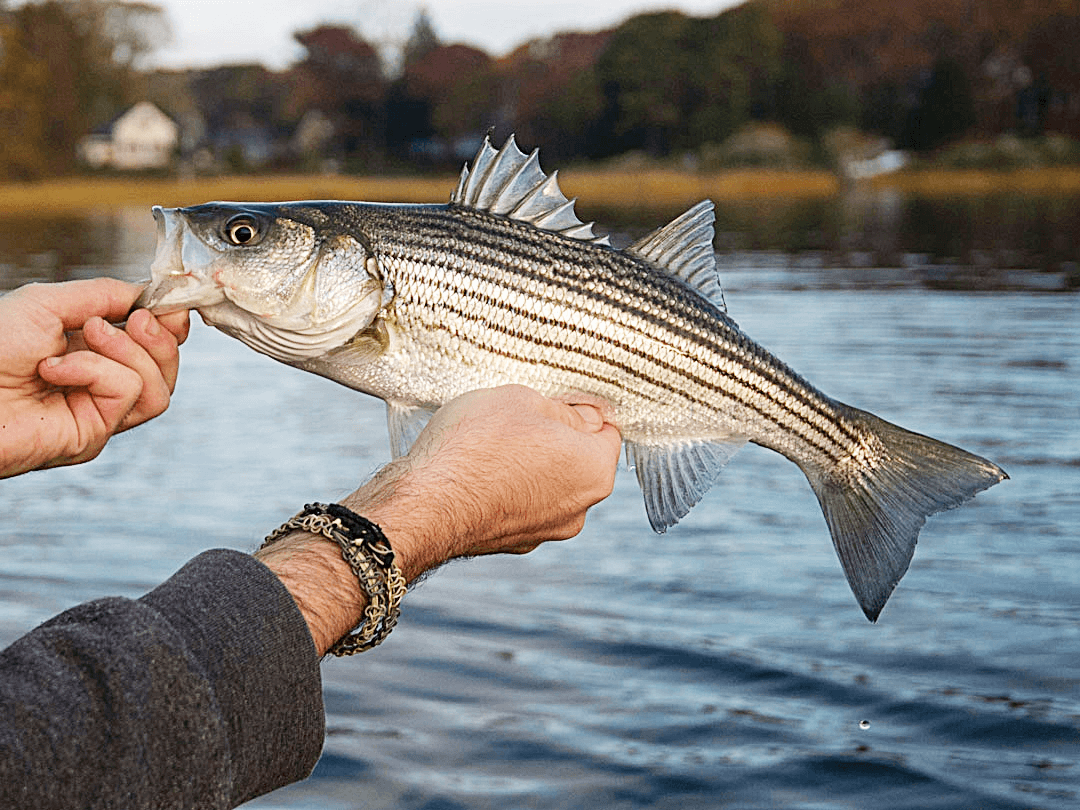
Harbors, ramps and marina operations were constrained by prolonged ice cover this winter
Persistent ice and subzero air temperatures forced many public boat ramps and marina yards across the Northeast and Mid-Atlantic to postpone spring commissioning, limiting vessel movements and reducing charter and recreational launch capacity during the usual late-winter maintenance window. Reduced ramp availability altered the logistical flow of fuel, gear and live-well-dependent bait supplies for guided fisheries, while several waterfront yards delayed haul-outs and antifouling schedules because of frozen access roads and frozen gate systems.
How winter logistics intersect with striped bass biology
The striped bass population along the Atlantic coast depends heavily on successful early life stages produced in the Chesapeake Bay and its major spawning rivers — notably the Susquehanna and Potomac. Survival of eggs and larvae is sensitive to spring river flow, bay salinity gradients, and water temperature. A prolonged cold winter that delays runoff timing or changes stratification can alter those spring conditions, sometimes improving survival rates for the most vulnerable cohorts.
Mechanisms: why a brutal winter can matter
Cold winters influence spring spawning dynamics by affecting three interlinked processes:
📚 You may also like
- River flow timing: Snowpack and late melt can modulate freshwater pulses, buffering rapid salinity shifts that can otherwise displace larval striped bass from productive nurseries.
- Temperature trajectories: Slower warming in early spring can synchronize spawning and larval development with available zooplankton prey, improving feeding success for young-of-year fish.
- Predator-prey balance: Harsh winters can reduce the early survival of some predators or competing species, temporarily easing predation pressure on small bass.
Recent recruitment history and why small changes matter
After several weak year classes and no notably strong cohort since 2019, even incremental improvements in recruitment can translate into stronger fisheries a few years down the line. When a single year-class is strong, that cohort can sustain recreational and commercial harvests and bolster spawning biomass for a decade or more. Therefore, a colder-than-average winter that nudges spawning conditions toward the favorable end of the spectrum is a noteworthy development for managers and anglers.
Operational impacts on fishing charters and rentals
Reduced ramp access, delayed marina services and fewer active captains during extreme winters shorten the charter season and compress maintenance windows for vessels used in sportfishing and leisure charters. That has a direct economic effect for operators who rely on spring openings to prepare and advertise summer trips. Conversely, if this winter produces a better striped bass year-class, charter demand and boat rentals (from small fishing boats to larger sportfishing yachts) could see a stronger rebound in 2–4 years as abundant schoolie and keeper-sized fish return to coastal waters.
| Winter Effect | Implication for Spawning / Boating |
|---|---|
| Prolonged ice and delayed commissioning | Shortened charter prep window; fewer early-season trips |
| Late snowmelt and moderated spring flows | Potentially improved larval retention in estuaries |
| Colder-than-average spring temperature trend | Possible synchronization of larvae with zooplankton peak |
What managers and anglers are watching
Biologists will monitor river discharge, salinity, and plankton surveys in the spring to assess larval survival conditions. Anglers and charter operators should watch recruitment indices and tag-recapture surveys published by state fishery agencies for early signs of an improving stock. Meanwhile, marinas and boat rental platforms adjust listings and availability calendars to reflect delayed maintenance schedules—an operational ripple that affects anyone planning to rent a boat or book a charter in early spring.
Practical advice for boaters and anglers this season
Whether you are a day angler, charter captain or someone scouting a seaside vacation, keeping an operational mindset helps:
- Confirm ramp and marina availability before planning a launch; winter delays can push openings into March or April in colder years.
- Book charters and rentals early for peak season; compressed schedules increase demand when the season opens.
- For anglers targeting striped bass, track spring flow and salinity forecasts—these are better predictors of juvenile survival than air temperature alone.
- Support responsible harvest and size limits to help fragile year-classes recover.
GetBoat’s perspective
GetBoat always keeps an eye on news related to sailing and seaside vacations, as the team truly understands what it means to enjoy great leisure and love the ocean. The platform values freedom, energy, and the ability to choose your own course, helping users find vessels that suit preferences, budgets and taste while providing transparency about make, model, ratings and availability.
Start planning your next seaside adventure and make sure to book the best boat and yacht rentals with GetBoat before the opportunity sails away! This burst of planning helps align your trip with seasonal fishing patterns and marina schedules and avoids disappointment when ramp access is limited.
Highlights: a severe winter can improve the odds for a stronger striped bass year-class by moderating spring salinity and temperature shifts, and managers will be watching river flow and larval surveys closely; yet, experiencing a new coastal destination always remains a multifaceted process—learning about the culture, nature, the indescribable palette of local colors, its rhythm of life and also the unique aspects of the service. If you are planning your next trip to the sea, you should definitely consider renting a boat (boat rentals, rent a boat, rent a yacht), as each inlet, bay, and lagoon is unique and tells you about the region just as much as the local cuisine, architecture, and language GetBoat.com
In summary, the logistical consequences of a brutally cold winter—frozen ramps, delayed marina commissioning and compressed charter prep—are immediate and tangible for the boating community, while the ecological consequences for striped bass recruitment may take years to reveal themselves. Improved spring conditions tied to a heavy winter can increase larval survival and, over time, support stronger fisheries that benefit recreational anglers, charters and the wider coastal tourism economy. Platforms like GetBoat.com support these experiences by offering transparent listings for yachts, boats and charters, making it easier to plan fishing and leisure trips to beaches, marinas and clearwater bays. The service places no limits on a good life and helps users find the right vessel—whether a small fishing boat, a sailing yacht or a superyacht—for sunbathing, fishing or cruising the gulf and open ocean.


