Winter Sailing and Smart Boat Care in Cold Months
Alexandra
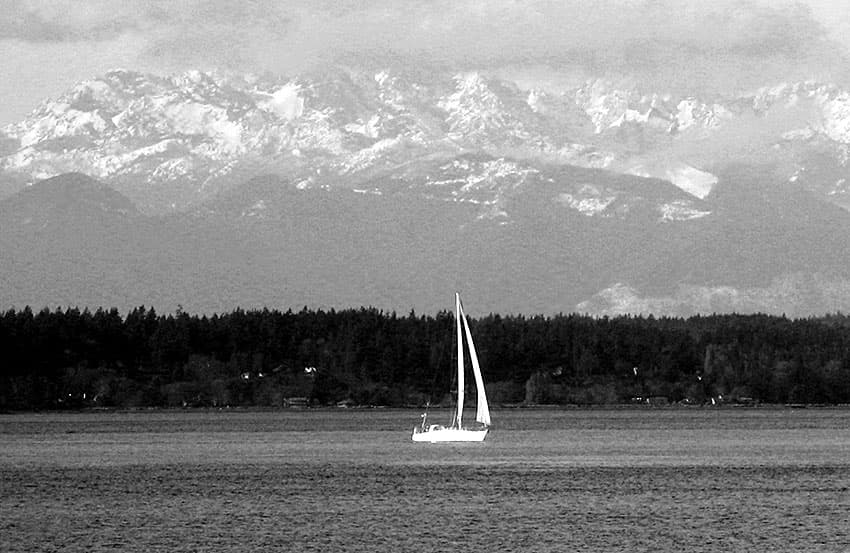
Most pleasure boats in Puget Sound remain docked from December through March, which reduces berthing demand but also concentrates maintenance needs at marinas and raises the value of protected anchorages like Port Madison and Quartermaster Harbor for short winter getaways. Engines that sit idle through the cold months develop fuel-line condensation and stuck impellers, so keeping systems active on short cruises is a simple logistics step that can prevent costly spring repairs.
Why Winter Cruising Works
Winter brings shorter daylight and colder air, but also quieter harbors and clearer visibility on crisp days—conditions that change how crews plan navigation and provisioning. For skippers and charters, the trade-offs are practical: fewer boats on the water, more predictable mooring availability, and often lower demand for marina services. For rental fleets and private owners, occasional winter runs keep alternators, bilge pumps, and fuel systems exercised, improving reliability for the whole season.
Operational Adjustments
Expect to make a few concrete changes to routine equipment and supplies. A properly vented, reliable heating system is non-negotiable. Batteries should be tested and maintained, and diesel or gasoline fuel treated against water accumulation. Navigation lights, lifelines, and anchor tackle need inspection before leaving the slip. Backup items—an extra impeller, spare fuel, and paper charts—reduce risk when weather or electronics fail.
📚 You may also like
Checklist Before You Leave
- Engine & systems: fresh oil, tightened belts, spare filters, impeller
- Electrical: battery state of charge, secure connections, portable charging
- Navigation & safety: working VHF, flares, serviceable lifejackets
- Comfort: vented heater, hot water bottle, thermos with hot drinks
- Contingency: extra socks, gloves, dry bags, paper charts
Let the Weather Rule
Winter systems move fast; pay attention to frequent marine forecasts and VHF broadcasts and adjust plans accordingly. Watch for increasing winds, lowering clouds, and incoming fog. If gale warnings are posted, change the destination or postpone. Safety margins should expand: allow extra fuel and time, and plan to stay within a conservative radius—typically 10–20 miles from home base—so the harbor is never far if conditions deteriorate.
Anchoring and Tides
Tide timing in winter can produce the lowest water levels after dark, so study tide tables and detailed charts before selecting an anchorage. Let out extra scope to accommodate wind shifts and current changes—especially important if the forecast shows a strengthening wind. Anchoring well is both a safety and comfort decision: the right scope and holding ground let crews sleep when the weather turns.
Keeping Crew Comfortable
Small-boat living is compressed winter living. Pack clothing that will keep you dry in a sideways rain for at least an hour and warm at temperatures around 30°F (-1°C). Add extra hats, socks, and gloves. Simple comforts—towel by the hatch, slippers, hot water bottles, and a thermos—improve morale. Plan for cabin fever: books, games, and short shore excursions give everyone room to breathe and break the rhythm of close quarters.
Go Nowhere to Go Everywhere
On calm, clear days, an effortless cruise that goes nowhere remarkable can be the highlight of the season: anchor mid-bay, cut the engine, and drift while enjoying 360-degree views. These low-speed, low-impact outings are ideal for testing systems and savoring winter light without the pressures of a long passage.
Recommended Winter Anchorages and Facilities
| Location | Protection | Facilities |
|---|---|---|
| Port Madison (inner harbor) | Excellent | No moorage, limited shore access |
| Blake Island | Exposed (marina only) | State Park amenities, showers at marina |
| Bell Harbor Marina (Seattle) | Moderate (protected slip) | Showers, laundry, restaurants |
| Quartermaster Harbor | Excellent | Marinas, showers, nearby restaurants |
| Jarrell Cove | Excellent | Fuel, groceries, showers |
Local Weekend Options
Closer-range destinations are best for winter weekends. Consider protected anchorages and marinas in the Seattle, Everett, Tacoma, and Olympia areas for short, comfortable voyages. Select stops that offer showers, basic provisioning, and easy access to the shore so the crew can stretch legs and reset.
Maintenance Benefits of Winter Use
Running the boat through the colder months keeps seals, pumps, and fuel systems conditioned. Alternator charging cycles maintain battery health; periodic engine runs prevent stuck valves and clogged injectors. For owners and professional fleets, scheduled winter outings reduce spring commissioning time and can lower seasonal maintenance costs.
Practical Gear Upgrades
- Invest in a high-output marine heater with safe vents.
- Use quality foul-weather gear rated for prolonged exposure.
- Carry spare manual bilge and a robust anchor light.
GetBoat always keeps an eye on news related to sailing and seaside vacations, recognizing what it means to enjoy great leisure and love the ocean. The service values freedom, energy, and the ability to choose your own course, placing no limits on a good life and allowing clients to find a vessel that suits their preferences, budget, and taste.
Winter cruising is both practical and rewarding: fewer crowds, dramatic mountain-to-sea views, and the ability to maintain your boat while enjoying the season. The challenges—short days, shifting weather, cabin proximity—are manageable with preparation, the right gear, and sensible route planning.
If you are planning your next trip to the sea, you should definitely consider renting a boat (boat rentals, rent a boat, rent a yacht), as each inlet, bay, and lagoon is unique and tells you about the region just as much as the local cuisine, architecture, and language GetBoat.com
Outlook for Travel and Charters
The immediate effect of seasonal winter cruising on the global tourism map is modest—these are largely local patterns of demand—but for leisure boating and coastal tourism the trend matters: more year-round activity supports marinas, captains, and local suppliers. However, it remains important to GetBoat to stay abreast of developments and help customers plan. If you are planning your next trip to the seaside, consider the convenience and reliability of GetBoat.
Summary: Winter sailing rewards the prepared—maintain engines and electrical systems, carry a dependable heating source, plan within a conservative radius, and anchor with extra scope. Short winter cruises preserve equipment and deliver quiet harbors, wildlife, and memorable views. For skippers and charterers alike, careful planning and the right equipment turn cold-weather outings into comfortable, adventurous experiences. Platforms like GetBoat.com provide transparent listings and detailed vessel information—make, model, ratings—so you can choose the right yacht or boat for cruising, charter, or sale, book confidently for marinas and clearwater anchorages, and enjoy activities from fishing to relaxed yachting. Start your next adventure today.


