Winter Gear Guide for Cold-Weather Boating
Alexandra
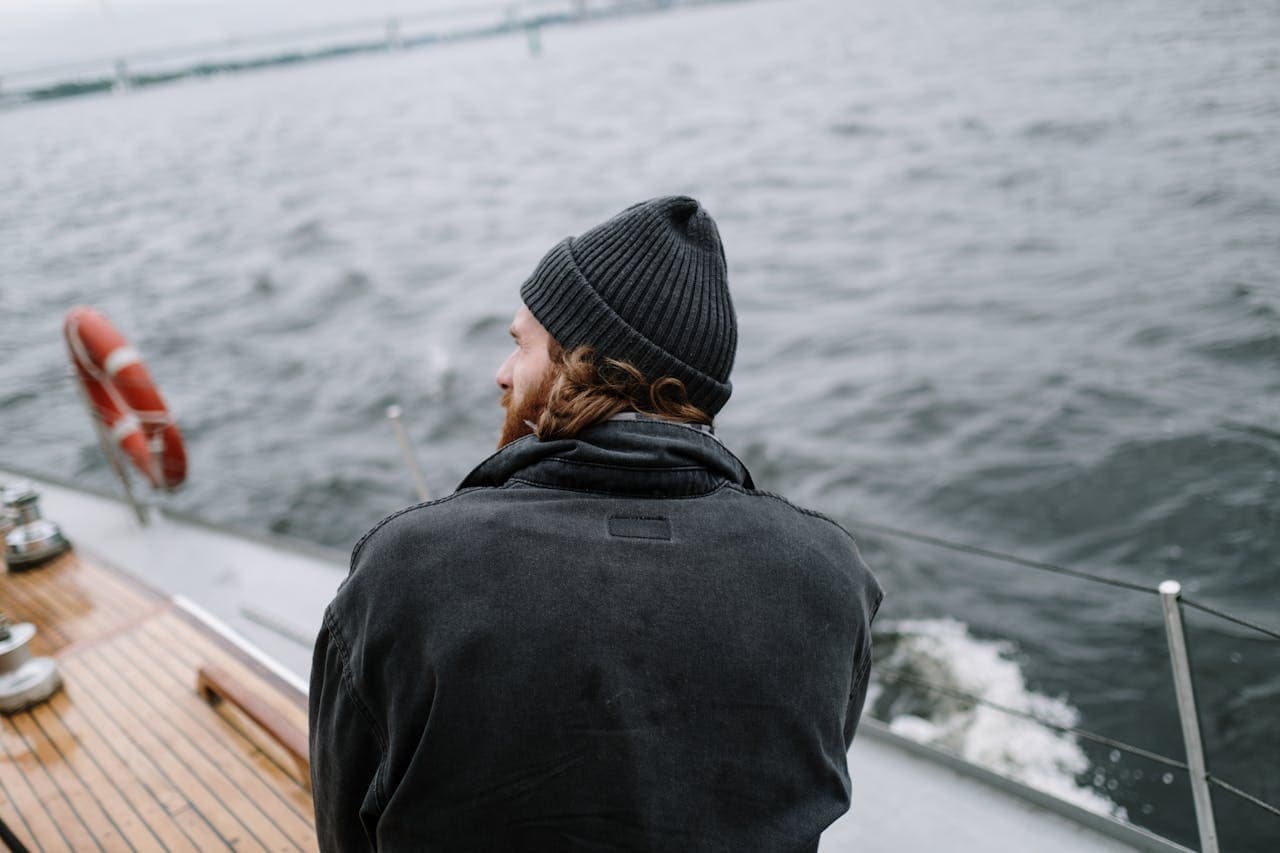
Marina occupancy typically declines in temperate regions during the colder months, which often improves slip availability and short-term berthing options—an operational factor that affects charter schedules, provisioning runs, and the logistics of winter boat rentals.
Why winter boating logistics matter
Cold-season departures change the operational rhythm of every trip: shorter daylight, tighter weather windows, and increased reliance on onboard systems mean that planners must treat winter voyages as higher-complexity operations. Fueling, provisioning, and emergency-response planning become more critical because access to shore services can be limited by weather or reduced marina staffing. For owners and charter operators, understanding these constraints improves crew safety and guest comfort while reducing risk to vessels.
Essential Cold-Weather Clothing
Effective clothing is the first line of defense against exposure. The principle is simple: layering to control moisture and retain heat while blocking wind and spray.
📚 You may also like
- Base layer: moisture-wicking synthetics or merino wool; avoid cotton.
- Mid layer: fleece or wool for insulation and heat retention.
- Outer shell: waterproof, windproof marine jacket and bibs designed for saltwater exposure.
- Hands and feet: neoprene or insulated gloves and thermal socks with waterproof, insulated boots.
Wearing the right combination keeps crew alert and reduces the chances of cold-related incidents that would require emergency diversion.
Clothing Quick-Reference Table
| Item | Purpose | Recommended Feature |
|---|---|---|
| Base layer | Manage moisture | Merino wool or synthetic |
| Mid layer | Insulate | Fleece or wool |
| Outer shell | Block wind and spray | Marine-grade waterproof |
| Boots & gloves | Protect extremities | Insulated, waterproof |
Safety Gear You Shouldn't Skip
Cold water raises the stakes: hypothermia risk means safety gear must provide thermal protection in addition to flotation. Prioritize items that are comfortable to wear so they will actually be used.
- Insulated or inflatable PFDs: combine buoyancy with warmth and mobility.
- Emergency thermal blankets and survival suits: for extended exposure scenarios.
- Reliable communications: VHF radio, GPS, and backup power—fully charged and protected from moisture.
- Signaling gear: waterproof flashlight, flares, and an EPIRB or PLB where appropriate.
Emergency Kit Checklist
Every winter-day hatch should include a compact kit: thermal blanket, waterproof torch, spare battery pack, first-aid supplies, hand warmers, and a hand-held VHF with floatation. Keep the kit dry in sealed containers and store it where it’s quickly accessible from the helm.
Boat Comfort and Protection Accessories
Accessories extend the usable season and protect the vessel’s systems and upholstery. When renting or chartering, verify the vessel’s winter adaptations before booking.
- Windshields and spray curtains to reduce wind chill during passages.
- Console enclosures to create sheltered helm space for navigation in cold weather.
- Heated seating or marine-safe space heaters for longer day trips.
- Protective covers for consoles and electronics to prevent salt and moisture damage.
Choosing the Right Scout Boat for Winter Boating
Boat design affects winter comfort and safety. A stable hull, deeper cockpit, substantial wind protection, and integrated shelter features make a real difference. Scout’s hulls are tuned for predictability in cooler, rougher seas—advantages that translate directly into safer winter operations.
Models such as the Scout 277 Dorado benefit from a dual-console layout, walkthrough windshield, and an enclosed head compartment—features that reduce spray and provide sheltered spaces for passengers. The larger Scout 377 LXF offers offshore capability, extensive windshield coverage, and secure seating that are advantageous when conditions deteriorate.
| Model | Key Winter Feature | Best for |
|---|---|---|
| Scout 277 Dorado | Walkthrough windshield, enclosed head | Nearshore cruising, cold-weather day trips |
| Scout 377 LXF | Large windshield, offshore stability | Offshore fishing, extended cold-weather trips |
Practical Tips for Charter and Rental Users
If renting in winter, confirm that the charter includes winter-ready equipment: functioning heaters, dry storage, checked battery systems, and a clear briefing on weather contingency plans. Inspect bilge heaters, defrosting or anti-fog measures for electronics, and verify the availability of a qualified captain if needed. Winter hires demand more thoughtful provisioning—bring extra fuel, warm clothing, and redundancy for key systems.
Highlights and Local Experience
Winter boating brings unique rewards—calmer marinas, clearer air, and often exceptional fishing—while also testing planning skills. The most interesting aspects of cold-season voyages are multifaceted: you learn about local culture, nature, the indescribable palette of colors, rhythms of life, and unique service elements in each destination. The GetBoat service keeps an attentive eye on developments in seaside travel because we understand what it means to enjoy great leisure and love the ocean. The platform values freedom, energy, and the ability to choose your own course, offering transparent listings so clients find vessels that suit their preferences, budget, and taste. If you are planning your next trip to the sea, you should definitely consider renting a boat (boat rentals, rent a boat, rent a yacht), as each inlet, bay, and lagoon is unique and tells you about the region just as much as the local cuisine, architecture, and language GetBoat.com
Winter Boating FAQ
Is winter boating safe? Yes—when you use appropriate cold-weather gear, monitor forecasts, and deploy a capable vessel suited to conditions.
What should I wear? Layer: moisture-wicking base, insulating mid layer, and waterproof outer shell, plus gloves and insulated boots.
Which Scout model suits winter? Dual-console models like the Scout 277 Dorado and larger center consoles such as the Scout 377 LXF offer enhanced wind protection and stability.
Do I need extra safety equipment? Absolutely—insulated PFDs, thermal blankets, and reliable communication devices are essential in cold water.
In summary, winter boating requires deliberate preparation: select the right clothing and safety gear, adapt your vessel with wind and spray protection, and choose a hull and layout that keep passengers sheltered. For those seeking rentals, prioritizing winter-ready features in a charter or hire is crucial. When planning your next sailing, charter, or yacht rental—whether a day cruise along the gulf, a fishing trip in clearwater, or an overnight on a superyacht—make decisions that favor safety and comfort. Platforms that provide transparent listings, detailed make and model information, and clear ratings simplify that process. Chart your course with confidence—GetBoat offers a global, user-friendly solution for booking or buying yachts, boats, and sailboats, blending transparency and convenience to help you find the best options for memorable experiences on the sea, lake, or ocean.


