Keep Your Boat Dry: Winter Condensation Strategies
Alexandra
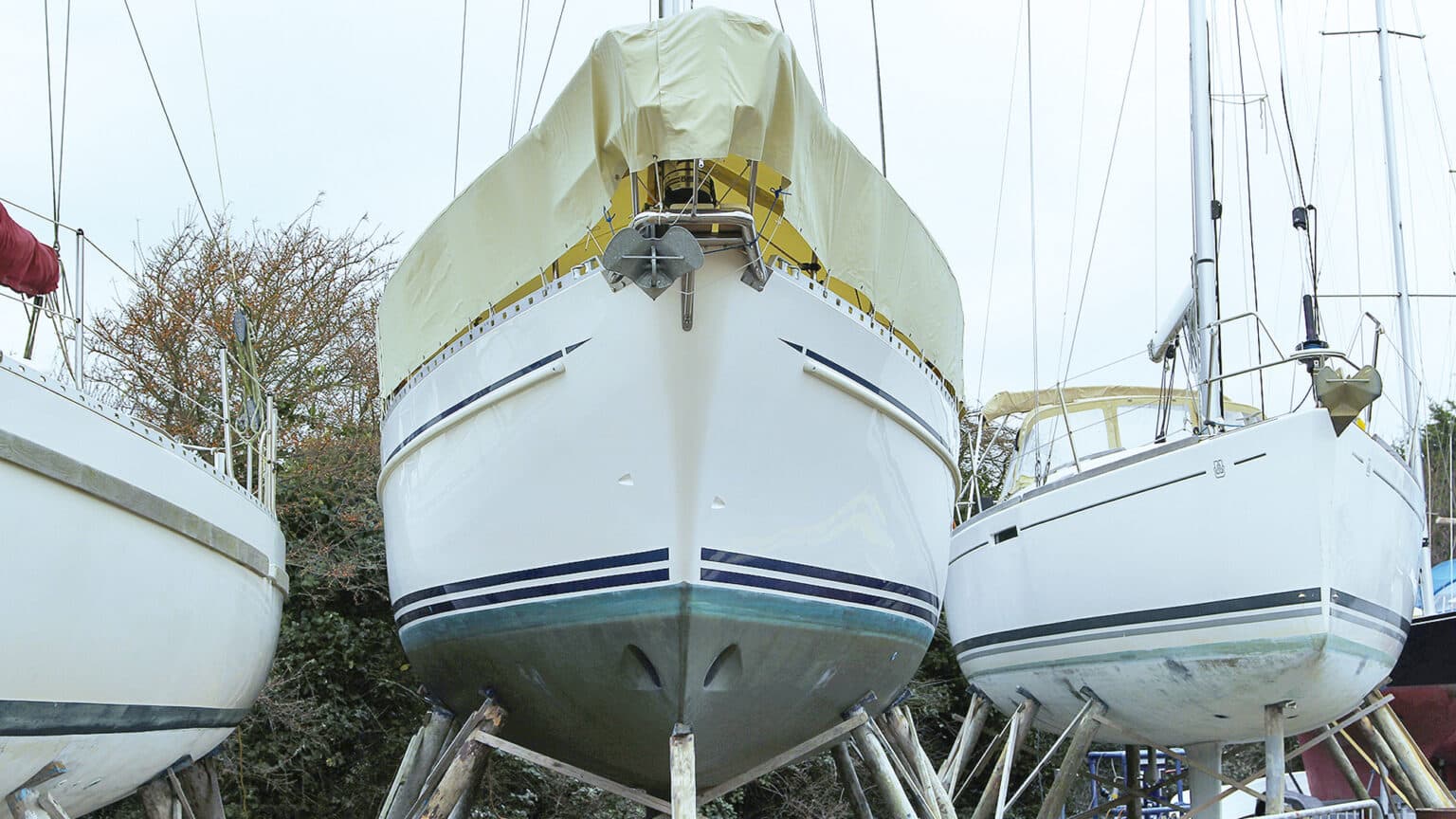
Access to mains power at winter storage or a marina berth directly determines which damp-control systems are practical: running dehumidifiers, thermostatically controlled heaters, or positive input ventilation (PIV) all rely on reliable shore power or a robust battery/solar setup.
Shore power, storage type and the damp equation
Whether a vessel is hauled ashore onto hardstanding, placed inside a shed, or left afloat on a berth, the logistics of winter storage shape the maintenance plan. Haul-out locations with covered, ventilated sheds enable low-power thermostats and desiccant dehumidifiers, while remote moorings demand passive solutions such as desiccant pots or improved ventilation.
Owners should factor in marina tariffs, access restrictions, and insurance rules: some marinas restrict the continuous use of domestic dehumidifiers because of fire risk, and insurers may require marine-grade equipment. These regulatory and cost constraints influence whether it’s cheaper to invest in a custom cover or pay for power through the season.
📚 You may also like
Four winterisation priorities
- Keep the interior dry — condensation control prevents mould, electronic faults and core saturation.
- Protect external wood and coatings — frost and UV accelerate finish deterioration on teak and varnish.
- Allow controlled ventilation — air movement is essential to reduce relative humidity and avoid stagnant moisture.
- Secure drains and openings — keep bilges dry and seal hawse pipes, while relieving anchor-chain strain by laying the anchor on a pallet ashore.
Cover systems: tarpaulin, shrink-wrap, shed
Covers fall into three pragmatic categories. Tarpaulins are cheap and quick but often single-season. Shrink-wrap offers weatherproof long-term protection and is ideal for extended refits. The most durable choice is a constructed plywood shed or modular frame where ventilation panels and access can be integrated.
All covers must balance waterproofing with controlled airflow: leaving bow and stern slightly open or incorporating vents amidships reduces trapped moisture. Invest in robust attachment points and chafe protection to withstand stronger storm patterns that are now more frequent worldwide.
Ventilation vs dehumidification
Ventilation and dehumidification are complementary but can be antagonistic if misapplied. Running a dehumidifier with free airflow from vents makes the unit inefficient; conversely, airtight storage with no airflow will require dehumidification to be effective.
Simple interventions such as propping hatches under a cover, fitting DIY vent grills, removing cushions and leaving locker doors open can dramatically improve natural airflow. For low-power continuous ventilation, small 12V fans or solar-assisted fans are proven options when shore power is unavailable.
Positive Input Ventilation (PIV) adaptation
Paul Fay’s adaptation of PIV for his 40ft steel schooner demonstrates how low-current, slow-speed fans can create a slight positive pressure to expel moist air through vents and gaps. Three small 12V fans drawing around 1 amp in total can be run from a battery bank topped up by solar—an effective alternative when mains power is off-grid.
Dehumidifier types and selection
| Type | How it works | Pros | Cons |
|---|---|---|---|
| Compressor | Cold condenser draws moisture out like a fridge | Lower power use in mild temps; good for hot climates | Condenser can freeze in severe cold; heavier |
| Desiccant | Zeolite wheel absorbs moisture, is reheated and expelled | Expels warmer air—helps prevent freezing; lighter | Consumes more power; sensitive to solvents |
In practice, many marine owners favour desiccant models for winter lay-up because the warm exhaust reduces condensation risk and helps prevent domestic pipes freezing. However, compressor units excel in warm, humid tropical lay-ups.
Safety and insurance
Use approved marine-grade units where required. Reports of cheaper domestic dehumidifiers overheating mean some marinas ban long-term continuous operation of unapproved units. Always check with your insurer before leaving electrical equipment running unattended.
Practical winter checklist
- Decide storage type: ashore (shed/hardstanding) or afloat.
- Confirm access to mains power and marina rules.
- Choose appropriate cover: tarpaulin, shrink-wrap, or modular shed.
- Fit vents or PIV-style low-draw fans; consider solar/battery options.
- Select dehumidifier type based on temperature and power availability.
- Seal hawse pipes, remove cushions, dry bilges, and lay anchor tackle off the bow.
- Improve insulation (closed-cell foam or hydrophobic 3M Thinsulate) and consider temporary double glazing.
Innovations and low-energy ideas
Concepts such as Foundation Zero’s “black mast” use thermally driven convection by inserting ducts inside a dark-painted mast: solar heat drives air up the mast creating passive ventilation without fans. Composite builders like carbo-link have helped realise tall mast ducting for low-energy air movement on larger projects.
Modern diesel heaters from Webasto and Eberspächer with timed operation and remote control are another efficient way to prevent condensation by maintaining a low, even cabin temperature for a few hours each day.
Small measures, big effect
Simple steps—doubling glazing with clear polythene, drawing curtains to reduce sun-driven swings, and using passive desiccant pots in lockers—often pay for themselves by preventing mould, corrosion and expensive repairs.
Start planning your next seaside adventure and make sure to book the best boat and yacht rentals with GetBoat before the opportunity sails away! This change in owner behaviour—favoring accessible, well-equipped berths and storage with shore power—could subtly influence the global tourism and travel map by making seasonal coastal destinations more attractive for longer stays and refit activity. For smaller markets the impact may be limited, but for marinas in popular yachting regions it could encourage infrastructure upgrades.
Experiencing a new coastal destination is multifaceted: you learn about local culture, nature, the indescribable palette of local colours, its rhythm of life and the unique aspects of on-water service. If you are planning your next trip to the sea, you should definitely consider renting a boat (boat rentals, rent a boat, rent a yacht), as each inlet, bay, and lagoon is unique and tells you about the region just as much as the local cuisine, architecture, and language GetBoat.com
GetBoat always keeps an eye on news related to sailing and seaside vacations because understanding maintenance, storage logistics and seasonal behaviour is part of helping people enjoy the ocean. The platform values freedom, energy and the ability to choose your own course, allowing clients to match a vessel to their preferences, budget and taste—whether for a day sail, a romantic charter or an extended refit project.
In summary: control of relative humidity, strategic ventilation and the right choice of heating or dehumidification are the core measures to banish winter damp. Practical choices—cover type, access to shore power, insulation and simple passive desiccants—determine the approach. Whether preparing for a winter ashore or maintaining an afloat lay-up, these steps protect hulls, electronics and interiors. For charterers and private owners alike, planning ahead ensures that yacht, boat and charter experiences remain trouble-free, from marina to gulf, lake to ocean; and when looking for rentals, sales or trusted listings, a transparent, global platform can simplify finding the right vessel, skipper or captain for sun, water, fishing and sailing activities.