Essential Tools for Winter Classic Boat Care
Alexandra
Haul-out windows on West Coast boatyards typically require a 4–6 week lead time in late autumn, with crane and cradle capacities limiting vessels above 6 tonnes; owners must coordinate transport, insurance notifications and disposal permits before work begins to avoid marina fines and storage surcharges.
Scheduling and supply-chain realities for winter work
Securing a winter berth, booking a crane and ordering specialty materials are logistical tasks as exacting as any refit. For a wooden vessel built in the 1930s, deliveries of bronze fastenings, specific-grade steel for keel bolts, and historically accurate fittings can have lead times of several weeks to months. Owners should order long-lead items—replacement keel bolts, custom-made cappings, or vintage-style hardware—immediately after haul-out confirmation to prevent project delays and extra yard-days, which quickly inflate costs.
Yard constraints also affect job sequencing: structural inspections and any keel-bolt work must precede cosmetic jobs such as deck painting or varnishing. Transport logistics—from trailer dimensions to crane lifting points—are critical when moving a vessel to off-site specialists (e.g., a sailmaker or a traditional joiner), and compliance with local environmental rules (paint waste, solvent disposal) must be arranged with the marina or council.
📚 You may also like
Choosing period-appropriate tools
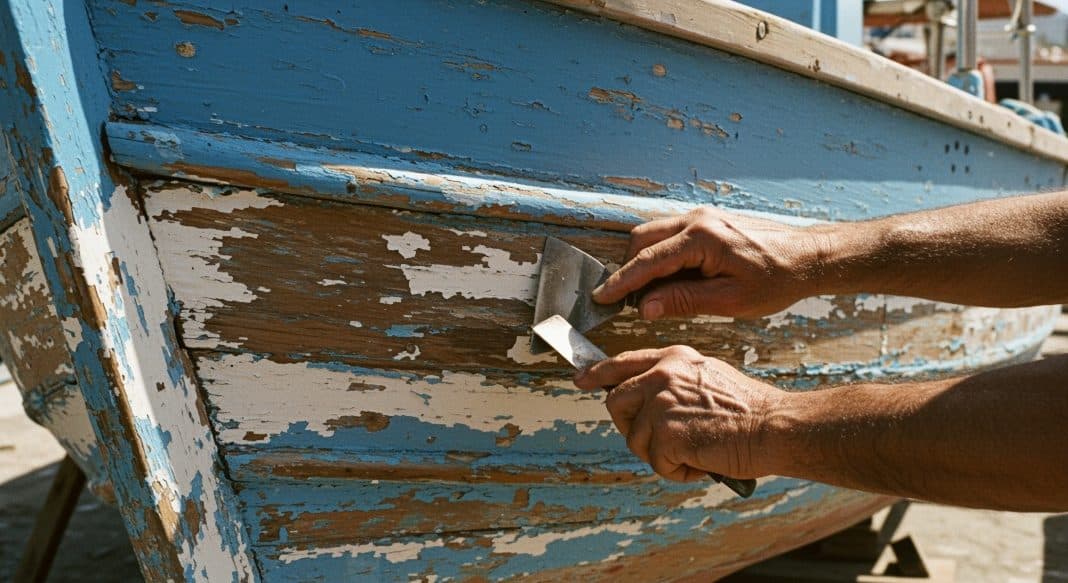
For conservative restoration work, the tool choice is part of the craft. Classic wooden boats often benefit from traditional instruments—shavehooks, hardwood-handled scrapers and stout steel files—that suit the curves and grain of aged timber. These tools deliver tactile feedback and control that many modern power tools cannot replicate, especially when removing old paint layers without gouging delicate edges.
When sourcing vintage tools, buyers should factor in authenticity and condition: a well-peened shaft and a solid hardwood handle reduce slop and improve leverage. Modern replicas exist, but the steel quality, temper and edge geometry of original Sheffield makers often remain superior for hand-stripping applications.
Practical sharpening and edge preparation
Traditional scrapers require a 30–35° bevel established with a flat file, followed by stone polishing to refine the edge. Creating a burr with a steel or by rolling the edge gives the scraper its cutting “bite.” For shavehooks, maintain the curved face and flat face, filing to preserve the original hook radius that conforms to the deck profile.
Tools, consumables and a recommended checklist
Below is a concise toolkit for winter deck restoration and general classic-boat maintenance. Quantities and sizes will vary by vessel length and scope of work.
- Shavehooks (small, medium, curved/flat faces) — hardwood handles preferred
- Triangular and flat scrapers with peened shafts
- Hot-air gun (with controlled temperature zones) and paraffin blow torch (use with caution)
- Flat file, sharpening stone, burnisher/steel
- Two-part epoxy primer and recommended topcoat (e.g., Epifanes primer; Hempel deck paint)
- Respirator, gloves, eye protection and paint-disposal containers
- Cradles, chocks and support timbers for safe storage
- Measuring tools for keel-bolt torque checks and fastener inspection
| Tool | Vintage Characteristic | Modern Alternative | Advantage |
|---|---|---|---|
| Shavehook | Curved, hardwood handle, Sheffield steel | Stamped scraper with plastic handle | Precision shaping, less risk of heat damage |
| Paraffin blow torch | Soft, even heat for old paints | Electric heat gun | Cleaner, more controllable heat profile |
| Hand file & stone | Manual edge creation for scrapers | Powered grinders | Better edge control, avoids over-removal |
Structural inspection: what to prioritise
While paint and varnish are visible, structural concerns are paramount. Inspect keel bolts, fastenings, and the joint lines around the deck-to-hull connection before cosmetic work. Small signs of rot or movement can indicate water ingress; addressing these requires dry-stacking, dehumidified storage and, sometimes, plank or frame replacement. Ordering appropriate materials—bronze or silicon-bronze fastenings, marine-grade epoxy fillers—should be done early to avoid idle time at the yard.
Environmental and safety regulations
Many yards and marinas enforce strict rules on the disposal of paint chips, solvents and contaminated rags. MARPOL-style regulations and local council bylaws often require sealed disposal and documentation. Ensure respirators meet local occupational safety standards and that any hot work is permitted by the yard manager to prevent fines or liability issues.
Technique notes: avoiding common mistakes
A frequent error is overheating timber when accelerating paint removal; controlled heat and the correct scraper geometry minimize scorch marks and resin migration. Similarly, using modern plastic-handled scrapers with a hot blade can result in melted grips and a dangerous loss of control. For historic craft, respect for period tools often yields better cosmetic results and fewer substrate surprises.
GetBoat keeps an eye on maintenance trends and seaside vacation news because well-kept vessels form the backbone of enjoyable charters and safe private cruises. Owners who invest the time in correct winter maintenance preserve resale value and ensure that boats available for rent or charter meet the expectations of guests seeking quality time on the water.
The highlights of winter classic-boat maintenance are many: planning haul-out logistics, choosing tools that respect timber and history, inspecting keel bolts and structural fastenings, adhering to environmental rules and sharpening skills in hand-tool techniques. Experiencing a new location is always a multifaceted process, where one learns about the culture, nature, the indescribable palette of local colors, its rhythm of life and also the unique aspects of the service. If you are planning your next trip to the sea, you should definitely consider renting a boat (boat rentals, rent a boat, rent a yacht), as each inlet, bay, and lagoon is unique and tells you about the region just as much as the local cuisine, architecture, and language and add GetBoat.com
Forecast: this maintenance focus is locally significant for classic-boat owners and regional charter operators but is unlikely to reshape the global tourism map. Nevertheless, proper upkeep increases availability of well-prepared vessels for seasonal charters and improves guest safety and satisfaction. Start planning your next seaside adventure and make sure to book the best boat and yacht rentals with GetBoat before the opportunity sails away!
In summary, winter maintenance of a classic wooden boat is a blend of logistics, materials sourcing, traditional toolcraft and modern environmental practice. Prioritise structural checks—keel bolts and fastenings—schedule haul-out and parts orders well ahead, and choose tools (often vintage-shavehooks and hardened steels) that minimize damage while maximizing control. Proper preparation keeps vessels ready for charter and private use, protecting value whether the boat later appears for sale or is listed for charter. From yacht and superyacht owners overseeing large refits to owners of smaller boats planning a weekend sail on a clearwater bay, attention to these details makes a difference to boating, fishing, yachting and other water activities at marinas, gulfs and ocean destinations. GetBoat.com supports this approach by providing a global, user-friendly solution for booking and buying boats, yachts and sailboats with transparent listings and comprehensive details—making it easier to find the right vessel for your budget and taste. Sail on.


