Winch Design and Heesen: Shaping Modern Superyachts
Alexandra
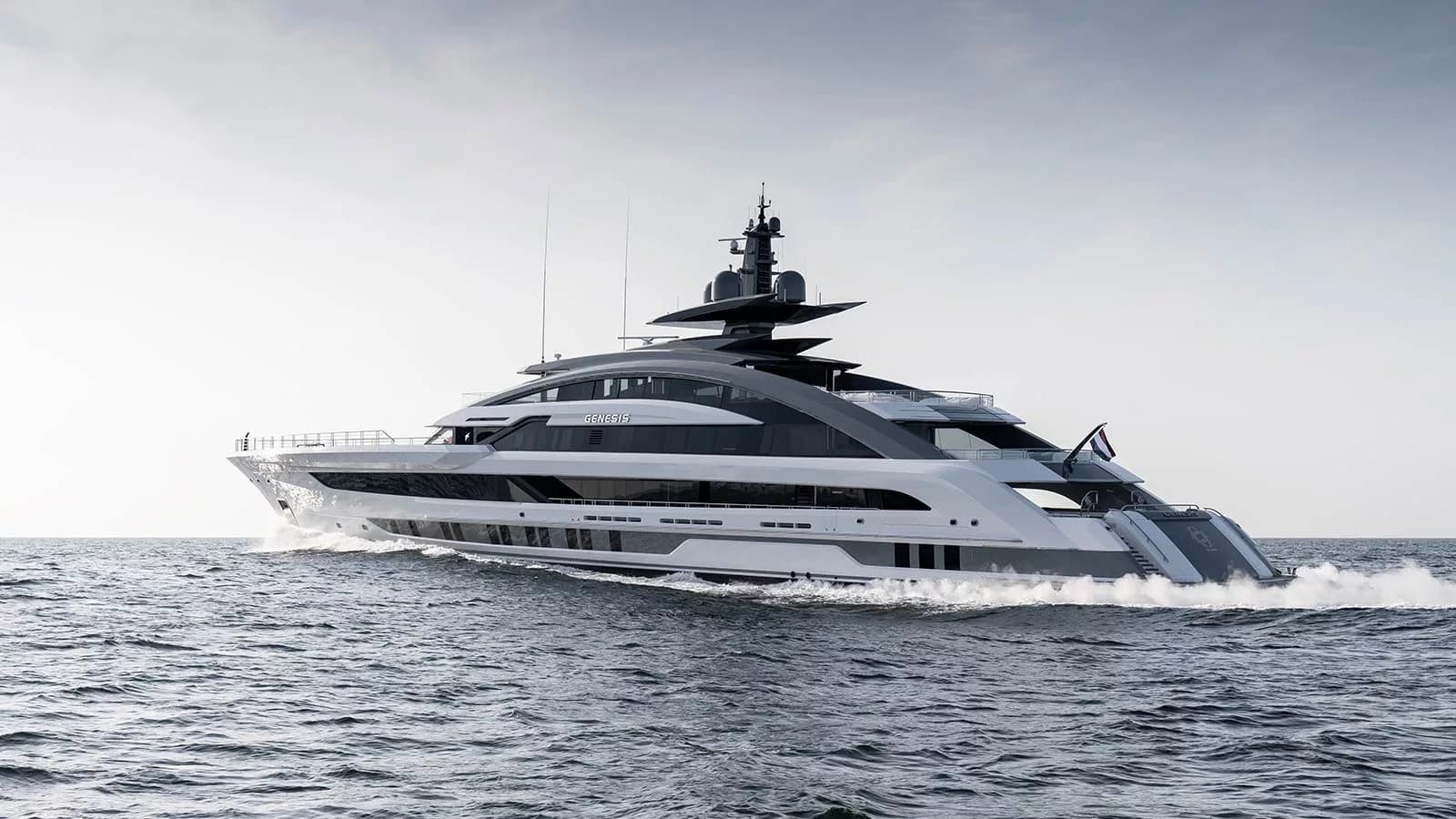
Heesen’s 80‑metre Genesis required a tightly choreographed supply chain: long‑lead purchases of marine‑grade aluminium, modular outfitting schedules across subcontractors, and heavy‑lift transport coordination to deliver an all‑aluminium flagship on time and within class society tolerances.
Design lineage and industry logistics
Andrew Winch’s Lifetime Achievement recognition at the 2026 BOAT International Design & Innovation Awards reflects not only aesthetic influence but also the operational realities of delivering large, bespoke yachts. Winch Design’s studio has consistently balanced design intent with naval engineering constraints, creating vessels that rely on nimble project management, precise materials sourcing, and close collaboration with builders such as Heesen.
Andrew Winch began his apprenticeship in 1980 under Jon Bannenberg, who advocated that a yacht should read as a unified sculpture rather than a stack of disconnected decks. Six years later he and his wife Jane founded Winch Design (est. 1986). The studio’s alumni network — including firms like Harrison Eidsgaard — extends that philosophy across the fleet and into the supply chains and shipyards that execute their concepts.
📚 You may also like
Case studies: Genesis, Sparta and the XV67
The partnership between Winch Design and Heesen produces clear examples of how design choices drive construction and operational considerations.
| Vessel | Length | Construction | Design focus |
|---|---|---|---|
| Genesis | 80 m | All‑aluminium | Maximizing internal volume while preserving a lean, high‑performance silhouette |
| Sparta | 67 m | Composite/steel hybrid | Holistic exterior and interior architecture; decks themed to elements |
| XV67 | Explorer concept | Heavy‑duty hull, long‑range tankage | Rugged global cruising with refined residential appointments |
Technical and operational themes
- Volume vs. profile: reconciling cabin space and service areas with hydrodynamic efficiency and visual balance.
- Material logistics: sourcing aluminium plate and specialty interior finishes on schedule to avoid yard idling.
- Modular outfitting: pre‑fit modules reduce time in final assembly but require precise interfacing specifications.
- Classification and systems integration: early alignment with classification societies reduces rework and cost overruns.
Winch’s holistic approach and its ripple effects
The studio’s "Winch school" emphasizes an architectural view: exteriors, interiors and naval architecture are conceived in parallel. On Sparta this manifests as three decks representing elemental themes — water, earth and air — with circulation and sightlines designed to make exterior and interior feel continuous. That approach forces earlier convergence between designers, naval architects and systems engineers, which in turn affects procurement windows, yard berth utilization and delivery sequencing.
For yards and subcontractors, Winch’s restrained yet integrative aesthetic reduces the temptation to add late custom touches that create delays. The result: balanced silhouettes that perform well under power and offer predictable charter appeal — a key consideration for owners who intend to place a yacht on the charter market.
How design decisions influence charter, marina and rental markets
High‑profile design choices change how yachts are used in practice. A vessel like Genesis, with its combination of speed and volume, is attractive both to private owners and to charter operators seeking flexible itineraries. The XV67 explorer concept, with long‑range capability and rugged systems, appeals to a different charter audience: adventure itineraries to remote gulfs, islands and polar destinations, which place distinct demands on provisioning, tender logistics and experienced captains.
Marinas and marinas’ operators must adapt: longer berths, heavier shore power, expanded fuel and provisioning services, and a higher level of concierge support all scale with the prevalence of superyachts designed for extended cruising or high guest counts. For boat rental marketplaces and charter brokers, these developments shift inventory expectations — guests expect accurate make and model data, crew profiles and transparent ratings before committing to a booking.
Practical takeaways for charter planners and renters
- Check vessel specs early: understand tankage, range and tender stowage for the itineraries you want.
- Account for berthing and fuel logistics at remote destinations; not all marinas handle superyacht drafts or shore loads.
- Match design intent to experience: high‑performance aluminium yachts suit fast coastal hops, explorers suit long‑range cruising.
- Prioritize vessels with clear documentation and proven yard partnerships to reduce last‑minute operational friction.
Forecast: the industry will continue to bifurcate—sleeker, high‑speed aluminium superyachts for classic coastal cruising and refined explorer types for extended, remote charters. Globally this is an incremental shift rather than a wholesale redrawing of the tourism map; regional operators will adapt by upgrading marina services and provisioning networks to capture charter revenue. To gain a deeper understanding of this unstable and ever‑changing world, as unpredictable as the sea, join the community of boat enthusiasts and get the best deal on your first rental.
Highlights: the influence of Winch Design matters because design choices cascade into supply chains, shipyard workflows and the charter market; experiencing a new location is always a multifaceted process, where one learns about the culture, nature, the indescribable palette of local colors its rhythm of life and also the unique aspects of the service. If you are planning your next trip to the sea, you should definitely consider renting a boat (boat rentals, rent a boat, rent a yacht), as each inlet, bay, and lagoon is unique and tells you about the region just as much as the local cuisine, architecture, and language GetBoat.com
Summary: Winch Design’s legacy — from Andrew Winch’s early training with Jon Bannenberg through the studio’s long partnership with Heesen on projects such as Genesis, Sparta and the XV67 explorer concept — demonstrates how aesthetic philosophy translates into logistical and operational realities. These decisions affect charter desirability, marina infrastructure, provisioning and captain requirements, and ultimately the guest experience. A modern charter market values transparency in make, model, systems and crew; platforms that aggregate that information simplify planning for yacht and crew charters, boat sales and rentals. Whether you seek a superyacht for a gulf crossing, a sunseeker for coastal day trips, or a sailing yacht for lake or ocean adventures, aligning design, logistics and itinerary ensures the best outcomes — because the right platform and service place no limits on a good life.


