Whitefish Bay — Navigational Chokepoint and Shipgrave
Alexandra
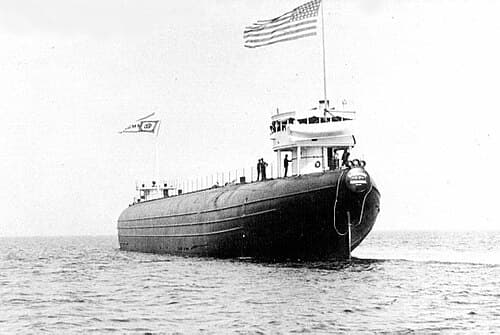
All vessels entering or leaving Lake Superior must transit through Whitefish Bay, creating a concentrated lane for bulk ore carriers, freighters, and recreational craft; the bay’s combination of shoals, currents, and sudden gales has historically produced navigational bottlenecks and elevated marine risk for commercial logistics and leisure charters alike.
Traffic, Terrain, and the Logistics of Passage
Whitefish Bay sits at the extreme southeast corner of Lake Superior and functions as the funnel that drains the lake into the St. Mary’s River. The Soo Locks at Sault Ste. Marie are the critical infrastructure node linking Superior and Huron via the St. Lawrence Seaway System; consequently, every commercial laker and most private transits must route through Whitefish Bay. For fleet managers, charter operators, and marina operators this creates a seasonal cadence of traffic and a requirement for strict voyage planning, especially in late autumn when nor‑wester storms build wave trains down the lake.
Natural Hazards That Affect Shipping and Chartering
- Shoals and shallow wreck sites: multiple underwater obstructions close to Whitefish Point reduce maneuvering margins for both large bulk carriers and smaller yachts.
- Rapidly deteriorating visibility: fog, driving rain, and lake snow can reduce sightlines to near zero, complicating visual navigation for pleasure skippers and captains of charter crews.
- Wave amplification: as wave energy funnels into the shallower bay it steepens and can exceed 30–35 feet during extreme events, a concern for vessels without heavy seakeeping characteristics.
- High-traffic choke points: increased risk of collision in restricted waters, making AIS and radio discipline essential for both commercial and rental vessels.
Historic Losses and Notable Wrecks
Whitefish Bay carries a reputation as one of the most wreck-dense areas on Lake Superior, with an estimated 200 vessels lost. Below is a compact reference to several significant wrecks that remain important to divers, historians, and policy makers when assessing preservation and safety measures.
📚 You may also like
| Vessel | Year | Type | Approx. Depth | Casualties |
|---|---|---|---|---|
| Invincible | 1816 | Schooner | Shoreline | Unknown |
| Ora Endress | 1914 | Fishing tug | 15 ft | 0 (rescued) |
| Sagamore | 1901 | Whaleback steamer | ~50 ft | 2 |
| Panther | 1916 | Wooden steamer | ~100 ft | 0 |
| Vienna | 1892 | Bulk freighter | ~150 ft | 0 |
| Superior City | 1920 | Bulk freighter | >200 ft | 29 |
| John B. Cowle | 1909 | Steel freighter | ~220 ft | 14 |
| Edmund Fitzgerald | 1975 | Great Lakes bulk carrier | ~550 ft | 29 |
Case Study: The Edmund Fitzgerald
The sinking of the 729‑foot Edmund Fitzgerald on November 10, 1975 remains a touchstone for Great Lakes maritime safety. Fully loaded with iron ore and battling waves and gusts reported as high as 85 mph, her loss off Whitefish Point highlighted the combined threat of weather, sea state, and the demands of heavy cargo logistics. The wreck lies some 17 miles northwest of Whitefish Point in deep water and is protected as a grave site; its disappearance reinforced stricter operational procedures, meteorological monitoring, and enhanced emergency response planning for lake traffic.
Preservation, Diving, and Management
Growth in freshwater diving and artifact removal led to concerted preservation responses. The Great Lakes Shipwreck Historical Society and the Whitefish Point Underwater Preserve were both created to protect wrecks and manage public access. For charter operators and recreational dive companies, these protections mean clear rules on salvage, mooring, and approach, while also creating responsibly managed attractions for tourism.
Operational Implications for Sailing and Rentals
- Charter planning must factor in late‑season weather windows and ensure vessels have appropriate seakeeping for open-lake passages.
- Skippers and captains operating rental yachts should maintain AIS, weather subscriptions, and contingency plans for fog and sudden surges.
- Marinas and rental platforms should provide accurate make/model specs, ratings, and local navigational hazards to renters to reduce exposure to risk.
Safety Checklist for Renters and Charterers
- Confirm skipper qualifications and local endorsements for open-lake navigation.
- Verify safety gear: lifejackets, EPIRB, VHF with DSC, and flares.
- Review weather forecasts and have alternative plans for harbouring if the forecast turns.
- Use up-to-date charts and AIS when transiting traffic lanes or narrow passages.
The region’s maritime history is embedded in local culture and song — Gordon Lightfoot’s ballad about the Edmund Fitzgerald helped seal Whitefish Bay’s image as both sanctuary and graveyard — and that memory still informs how operators, mariners, and regulators approach seasonal scheduling and charter risk assessments today.
The most important highlights of Whitefish Bay are its role as an unavoidable transit corridor, its high concentration of shipwrecks, and the need for vigilance when planning lake voyages. Experiencing a new location is always a multifaceted process where one learns about the culture, nature, the indescribable palette of local colors, its rhythm of life and also the unique aspects of the service; if you are planning your next trip to the sea, you should definitely consider renting a boat (boat rentals, rent a boat, rent a yacht), as each inlet, bay, and lagoon is unique and tells you about the region just as much as the local cuisine, architecture, and language GetBoat.com
Forecasting how this story affects global tourism and travel maps: the Whitefish Bay narrative is regionally significant rather than globally transformative. It shapes local maritime tourism, dive excursions, and destination marketing for the Upper Great Lakes. Start planning your next seaside adventure and make sure to book the best boat and yacht rentals with GetBoat before the opportunity sails away!
In summary, Whitefish Bay is a strategic chokepoint with a dense catalogue of wrecks that informs contemporary safety practices for both commercial shipping and leisure yachting. The combination of shoals, weather, and traffic makes prudent voyage planning essential for charters and private rentals. Platforms that emphasize transparency — clear vessel specs, verified reviews, and accurate navigational information — help skippers and vacationers enjoy the water responsibly. Whether you seek a serene bay, a fishing charter, a sailing lesson, or a superyacht experience, a reliable service supports safe and unforgettable moments on the lake, gulf or ocean. Book your next voyage with confidence.


