Winter Waxing Guide for Boats: Practical Steps and Benefits
Alexandra
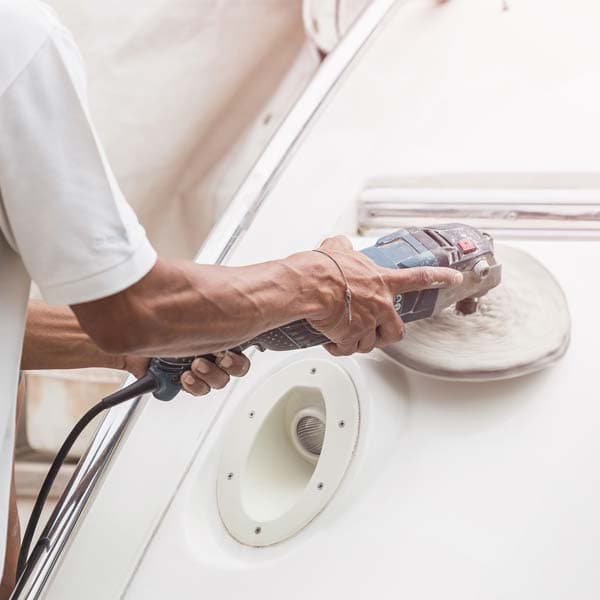
In many coastal marinas the peak haul-out window compresses into late October and November, creating a predictable surge in crane and trailer logistics that can delay storage and increase exposure time for hull surfaces; owners who schedule a wash, dry, and wax before shrink-wrapping or indoor storage reduce handling time and lower the risk of damage during transport and stacking.
Why wax your boat before winter storage
Waxing a hull prior to winter storage provides an active sacrificial layer between the gelcoat and winter hazards: UV radiation, airborne salts, airborne grime, bird droppings, and surface oxidation. A properly applied wax system also eases spring commissioning by repelling dirt and reducing the need for aggressive polishing. For craft stored outdoors, wax adds an important barrier under shrink-wrap or canvas covers, limiting moisture adhesion and surface staining during freeze-thaw cycles.
Operational benefits for marinas and transporters
From a supply-chain perspective, waxed boats require fewer onsite detailing services at the start of the season, freeing dockhands and detailers to focus on launch logistics and safety checks. For charter operators and rental fleets, this translates to reduced downtime between seasons and lower variable costs for reconditioning vessels used in yacht charter or daily boat rentals.
📚 You may also like
Types of wax and protective systems
Not all waxes are equal for marine winterization. There are three common categories:
- Carnauba paste waxes — provide deep gloss and natural UV resistance but may require more frequent reapplication.
- Polymeric liquid sealants — create longer-lasting hydrophobic layers and are easier to machine-apply; often used as a base coat under paste wax.
- Specialty vinyl-safe formulations — petroleum-distillate-free products designed for areas with graphics or decals.
| Product / Type | Best for | Longevity | Vinyl-safe? |
|---|---|---|---|
| LifeWax | Gelcoat gloss and UV protection | Up to 1–2 years (when layered) | No (avoid over graphics) |
| PolyShine | Polymer base on fiberglass, metal hardware | 6–36 months (with top coat) | Yes |
| Graphix Wax | Vinyl graphics, decals | Up to 1 year | Yes (formulated for graphics) |
How each layer works
Applying a polymer-based coat first seals microscopic pores and creates a durable platform for a carnauba or paste wax top coat. The top coat restores visual depth and adds additional UV blockers. For hardware and stainless, a polymer will shine and repel salts while protecting chrome and stainless steel fittings during the dormant season.
Step-by-step application process
Follow this workflow to maximize protection and minimize rework in spring:
- 1. Thoroughly wash hull with marine soap; remove oxidation with a gentle compound if necessary.
- 2. Rinse, dry, and inspect for gelcoat cracks or stressed fittings; repair as required.
- 3. Apply a liquid polymer like PolyShine by hand or machine; buff to a uniform sheen.
- 4. Apply a paste wax such as LifeWax over compatible surfaces for added UV protection and gloss.
- 5. Use Graphix Wax over decals and vinyl patches if present.
- 6. Allow full cure time per product directions before shrink-wrapping or covering.
Recommended tools and timing
- Dual-action polisher for larger hulls
- Microfiber pads and clean cloths
- Non-abrasive brush for hardware
- Apply wax when ambient temps are between 50–80°F (10–27°C); avoid direct sun
Winter storage checklist for owners and charter operators
Organize storage tasks to align with haul-out schedules and weather forecasts:
- Wash and decontaminate hull and running gear
- Wax and protect gelcoat and hardware
- Drain water systems, add fuel stabilizer, and fog engine where appropriate
- Secure canvas or shrink-wrap after full cure; ensure ventilation to prevent condensation
- Document condition with photos and log maintenance actions
Cost-benefit considerations for rental fleets
For companies operating a charter fleet or a local boat rental business, a modest investment in a two-step wax system prior to winter storage pays back in quicker turnarounds and less seasonal detailing. Reduced oxidation and fewer surface repairs preserve resale value for vessels on sale or in periodic fleet rotation. For marinas that offer haul-out and winterization, offering waxing as an add-on service can become an ancillary revenue stream while increasing customer satisfaction.
GetBoat always keeps an eye on news related to sailing and seaside vacations, as we truly understand what it means to enjoy great leisure and love the ocean. The GetBoat service values freedom, energy, and the ability to choose your own course, placing no limits on a good life and helping clients find a vessel to suit preferences, budgets, and taste.
The most important practical message is simple: waxing before winter storage is a low-effort, high-value preventive action. It protects gelcoat integrity, limits oxidation, facilitates a faster spring launch, and can reduce transport and handling risks when boats are moved between marinas, storage facilities, and repair yards. For owners planning a future charter season, consistent winter protection helps maintain cosmetic standards expected by guests and captains alike.
Waxing is a small part of a broader seasonal picture: experiencing a new location is always a multifaceted process, where one learns about the culture, nature, the indescribable palette of local colors its rhythm of life and also the unique aspects of the service. If you are planning your next trip to the sea, you should definitely consider renting a boat (boat rentals, rent a boat, rent a yacht), as each inlet, bay, and lagoon is unique and tells you about the region just as much as the local cuisine, architecture, and language GetBoat.com


