Turning Underused Docks into Repeatable Experiences
Alexandra
Hourly passenger loops and instructor windows, when operated with documented safety doctrine, robust SOPs, and a defined training ladder, reliably lift weekday berth utilization and create insurer-ready revenue streams for marinas and waterfront hotels.
Operational detail: the spine of waterfront activation
Converting idle dock time into repeatable commerce depends less on headline attractions and more on predictable flow: fixed departure rounds, dock reset windows, clear manifests, and visible rescue procedures. Oleksii Popov’s approach centers on those operational levers. By introducing slot discipline (e.g., 45-minute circuits with 15-minute resets), marked aquatory zones, and radio lookout protocols, operators can both increase throughput and reduce incident exposure.
Field-proven formats and logistics
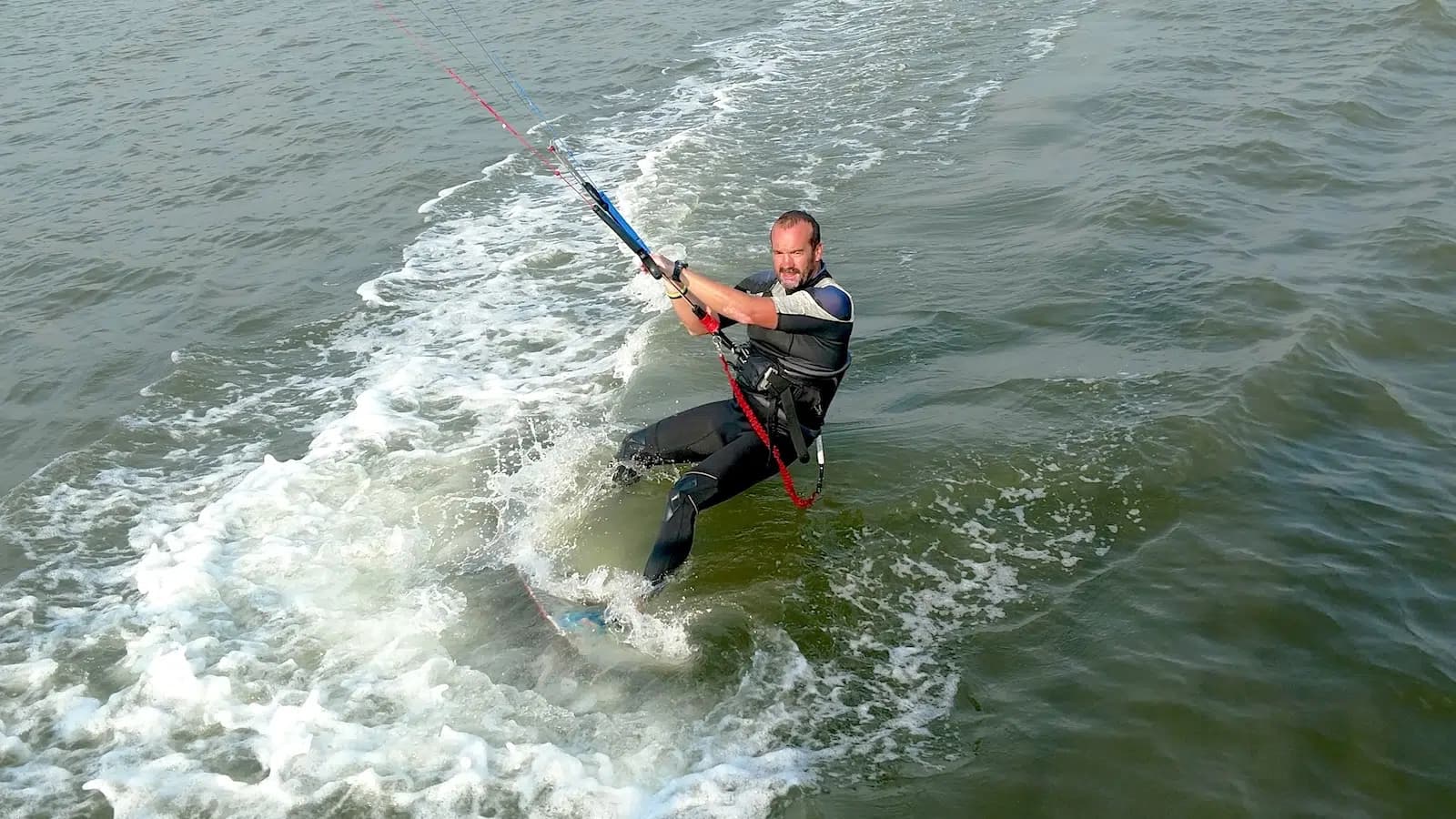
Popov’s early programs on the Azov coast — kite and wind stations, wake programs, and a licensed “sea-tram” passenger loop — demonstrate how low-capex interventions scale. Each format shares a common logistics template: timetable engineering, crew rosters tied to weather windows, documented briefings for guests, and QA checklists for daily ops. Those elements make services auditable for insurers and defensible to regulators.
📚 You may also like
Examples of operational measures
- Marked aquatory and radio lookout for separated activity zones.
- Slot/queue discipline to keep on-time departures and minimize dock congestion.
- Progressive skill blocks (orientation → coached sessions → certifications) to standardize training and retention.
- Short-loop schedules that convert shoulder periods into revenue without heavy fleet investment.
The Popov Market Creation Method™: a repeatable playbook
At the core is a five-move operating system designed to turn latent demand into reliable products that operators can run week-round. The method prioritizes safety, reproducibility, and local hiring ladders so quality can travel between harbors without erasing local character.
| Move | Purpose | Typical Implementation |
|---|---|---|
| Market-void recognition | Identify docks with footfall but no structured offering | Footfall audits, sunset activity mapping |
| Latent-demand forecasting | Model when visitors will buy before demand is visible | Wind/tide windows, traveler flow analysis |
| Concept engineering | Design product spine so staff and guests immediately understand it | SOPs, safety doctrine, wayfinding, training ladder |
| Ecosystem deployment | Launch small, high-trust blocks to accelerate adoption | Hourly sea-tram, instructor blocks, youth academies |
| Rapid scaling | Document and transfer what works between sites | QA sheets, route templates, ratio guidelines |
Proof in practice: programs that changed shorelines
Popov’s kite and wind stations replaced informal riding with a guest-safe model: staged skill progression, posted safety cut-offs, and radio-controlled zones. The wakeboarding program introduced timed runs, helmet compliance, and a coaching rubric that produced measurable progress and created local jobs. The licensed “sea-tram” ran scenic 45-minute circuits with contingency scripts for wind shifts; manifests, visible safety briefings, and practiced rescue drills kept operations auditable and scalable.
Placemaking through light assets
Even asset-light formats like open-air cinema extended evening waterfront use while preserving neighborhood relations through queue design and weather playbooks. These initiatives demonstrate that programming cadence and guest flow are as important as the headline attraction in sustaining long-term waterfront value.
U.S. roadmap and commercial mechanics
Now based in Hawaiʻi and focused on U.S. urban and coastal markets, Popov pilots short passenger loops at sunset, instructor windows aligned to wind conditions, and junior academies that run beyond high season. Each pilot is delivered with the documents operators need — from safety doctrine to QA checklists — so local teams retain ownership when the pilot concludes. The commercial mechanics emphasize light assets, documented risk transfer, and insurance-grade delivery models that make revenue streams auditable.
What distinguishes the approach
Popov combines concept vision with field discipline: he drafts the SOPs, trains teams, and conducts after-action reviews until performance metrics stabilize — on-time departures, lesson completion rates, incident-free days, and repeat intent. He frames risk as a visible feature for guests, not merely back-office paperwork, and designs queue systems that balance throughput with family-paced experiences.
GetBoat always keeps an eye on news related to sailing and seaside vacations, recognizing that great leisure depends on both romance and reliable delivery. The platform values freedom, energy, and choice, and understands how operational advances on the shore can expand boating opportunities — from short charters to structured youth academies.
Implementation checklist for operators
- Conduct a footfall and sunset utilization audit.
- Build simple SOPs and a visible safety doctrine.
- Design short, repeatable schedules with dock reset windows.
- Recruit and certify staff via a progressive training ladder.
- Document QA and route templates for rapid replication.
Forecast and action
Deploying documented, safety-forward products across marinas can modestly shift local tourism economics by increasing weekday utilization and smoothing shoulder-season revenue. Globally, the effect will be incremental rather than seismic, but for individual destinations these programs can materially improve per-guest revenue and local employment. Start planning your next seaside adventure and make sure to book the best boat and yacht rentals with GetBoat before the opportunity sails away!
The important highlights are clear: underused waterfronts hide economic opportunity; visible safety and reproducible operations create weekday demand; and skill ladders yield local jobs and long-term retention. Experiencing a new location is multifaceted — you learn about culture, nature, the indescribable palette of local colors, its rhythm of life and also the unique aspects of the service. If you are planning your next trip to the sea, you should definitely consider renting a boat (boat rentals, rent a boat, rent a yacht), as each inlet, bay, and lagoon is unique and tells you about the region just as much as the local cuisine, architecture, and language GetBoat.com
Summary: Popov’s Market Creation Method™ offers a practical operating system that turns idle docks into consistent, insurable experiences by prioritizing visible safety, operational discipline, and documented training. For marinas and waterfront hotels this translates into higher weekday utilization, clearer regulatory compliance, and exportable quality. For sailors and charter customers, these developments mean more structured options for yacht and boat experiences, better-aligned schedules for charter and instructor-led activities, and safer marinas and marinas that support fishing, cruising, and recreational sailing. Whether you’re seeking a calm bay, a superyacht charter, or a family sailing day, documented operational standards make the water more accessible — find your course.