Priority Rules for Paddlecraft and Motorboats
Alexandra
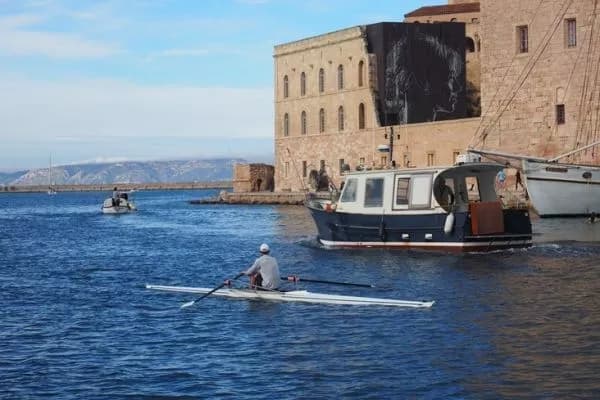
In narrow navigation channels, human-powered craft — kayaks, stand-up paddleboards and rowing skiffs — are expected to keep to the channel edges while motorboats must reduce speed, avoid creating wake, and adapt course to prevent capsize or loss of steerage for lighter vessels.
Legal framework and the basic principle
International collision regulations (commonly referenced as the COLREGs or RIPAM in some jurisdictions) and coastal administrative decrees treat non-mechanically propelled vessels differently from powered craft. The prevailing principle in both inland and coastal waters is that human-powered vessels enjoy a de facto priority in many interactions because they have less power to recover from a dangerous wake or sudden bow wave.
This priority is not absolute: exceptions include cases where a vessel has restricted manoeuvrability, is constrained by the channel, or is in distress. In practice, powered pleasure craft must always: slow down when approaching small craft, avoid high-speed overtaking inside narrow channels, and be prepared to alter course or stop to avoid endangering non-motorized users.
📚 You may also like
Channel navigation: rules, common sense and enforcement
Regulatory texts and prefectoral or local decrees commonly require non-motorized craft to keep to the sides of access channels so as not to obstruct the principal shipping lane. Motorboats are expected to keep a steady, reduced speed and to pass with a distance and wake management that do not heel or destabilize kayaks and skiffs.
Deliberately “forcing” a passage through a group of paddlers or rowers is both dangerous and, where enforced, illegal. Even when paddlers are not exactly in the middle of a channel, the operator of a motorboat must act in a cautious, prudent manner to preserve safety.
Swimming zones and no-motor areas
Where motorized navigation is explicitly prohibited — bathing areas, reserved water-sports zones, or protected coastal strips — motorboats have no right of way. In those areas the onus is on powered craft to stay clear or to proceed with the engine off and with minimal disturbance. Outside regulated areas, the simple rule remains: mechanically propelled vessels should yield to human-powered craft whenever a collision risk exists.
Interactions among paddlecraft, kayaks and skiffs
There is no formal hierarchy inside the family of non-motorized craft. Between a paddleboard and a sea kayak, or a kayak and a rowing skiff, conventions based on practical manoeuvrability and speed often determine who should give way.
- Faster, more manoeuvrable craft (often paddleboards) should avoid making sudden moves near heavier or quicker-tracking skiffs.
- Rowing skiffs at cruising pace have limited lateral manoeuvre and so require others to pass clear and slow.
- Courtesy and proactive communication (visible hand signals, voice calls) are the most reliable “rules” between small craft.
Practical scenarios: who yields?
| Scenario | Who yields | Notes |
|---|---|---|
| Kayak crossing a narrow channel vs. passing motorboat | Motorboat | Reduce speed, avoid creating wake; pass wide. |
| Paddleboard near bathing area | Motorboat (stay out) | Paddlers allowed; motors prohibited or throttled. |
| Two kayaks converging | None strictly; use seamanship | Faster craft should give way; communicate. |
| Rowing skiff overtaken by faster motorboat | Motorboat | Overtaking vessel must slow and pass with distance. |
Checklist for powered boat operators
- Scan early: identify paddlers before entering constrained waters.
- Slow down: reduce speed to limit wake and bow wave height.
- Pass wide: give paddlers plenty of lateral space when overtaking.
- Communicate: a clear call or whistle can prevent misunderstandings.
- Plan route: avoid shallow or crowded edges where non-motorized craft habitually travel.
Safety tips for paddlers, kayakers and rowers
Paddlers and rowers can improve their safety margin by adopting a few simple habits: wear a lifejacket, display a reflective flag in busy waters, keep to the edges of channels, and travel in groups where possible. When navigating across a channel, choose a place where visibility is good and where you can see oncoming motor traffic well in advance.
Behavioral norms and training
Promoting mutual respect on the water is as much about training and culture as it is about written regulations. Boating license education modules and practical drills that stress speed control, wake awareness, and right-of-way conventions help reduce incidents. Weekly practice questions and case studies by sailing media and training platforms are useful tools for both novices and experienced skippers.
Why this matters for sailing, charters and beach tourism
Safe cohabitation between paddlers and motorized craft affects marinas, seaside resorts and charter operations. A single bad interaction can shape local regulation, influence where rental operators locate launch areas, and alter the recommended routes for day charters and yacht tenders. For yacht and boat rental businesses, ensuring guests understand these priorities reduces liability and protects reputation.
GetBoat always keeps an eye on news related to sailing and seaside vacations, as we truly understand what it means to enjoy great leisure and love the ocean. The GetBoat service values freedom, energy, and the ability to choose your own course. The platform places no limits on a good life, allowing clients to find a vessel that suits their preferences, budget, and taste and to view make, model and ratings beforehand for greater transparency and peace of mind.
Highlights: the priority rules between paddle, kayak, rowing skiff and motorboat are essential practical knowledge for any coastal visitor; experiencing a new location is always a multifaceted process where you learn about culture, nature, the indescribable palette of local colors, its rhythm of life and also the unique aspects of the service — if you are planning your next trip to the sea, you should definitely consider renting a boat (boat rentals, rent a boat, rent a yacht), as each inlet, bay, and lagoon is unique and tells you about the region just as much as the local cuisine, architecture, and language GetBoat.com
Forecast and call to action: this clarification of right-of-way is locally important but limited in global strategic impact; nevertheless, understanding these rules can materially improve safety and enjoyment for tourists and charter guests. Start planning your next seaside adventure and make sure to book the best boat and yacht rentals with GetBoat before the opportunity sails away!
Summary: In constrained waters the practical rule is simple — protect the vulnerable. Powered vessels must manage speed and wake; paddlers must stay predictable and visible; and all water users should practice courtesy and clear communication. Whether you are chartering a yacht, renting a boat for a day, or exploring a local gulf by kayak, knowing who yields and why keeps people safe and preserves good relations between marinas, beaches and tour operators. GetBoat.com supports this approach by offering transparent listings for yacht and boat charter, clear vessel details for every rental, and a global platform that helps travelers find the right craft—be it a sailboat, motorboat or superyacht—for unforgettable experiences on the sea, ocean, lake or gulf.


