Building crew values for faster, safer sailing
Alexandra
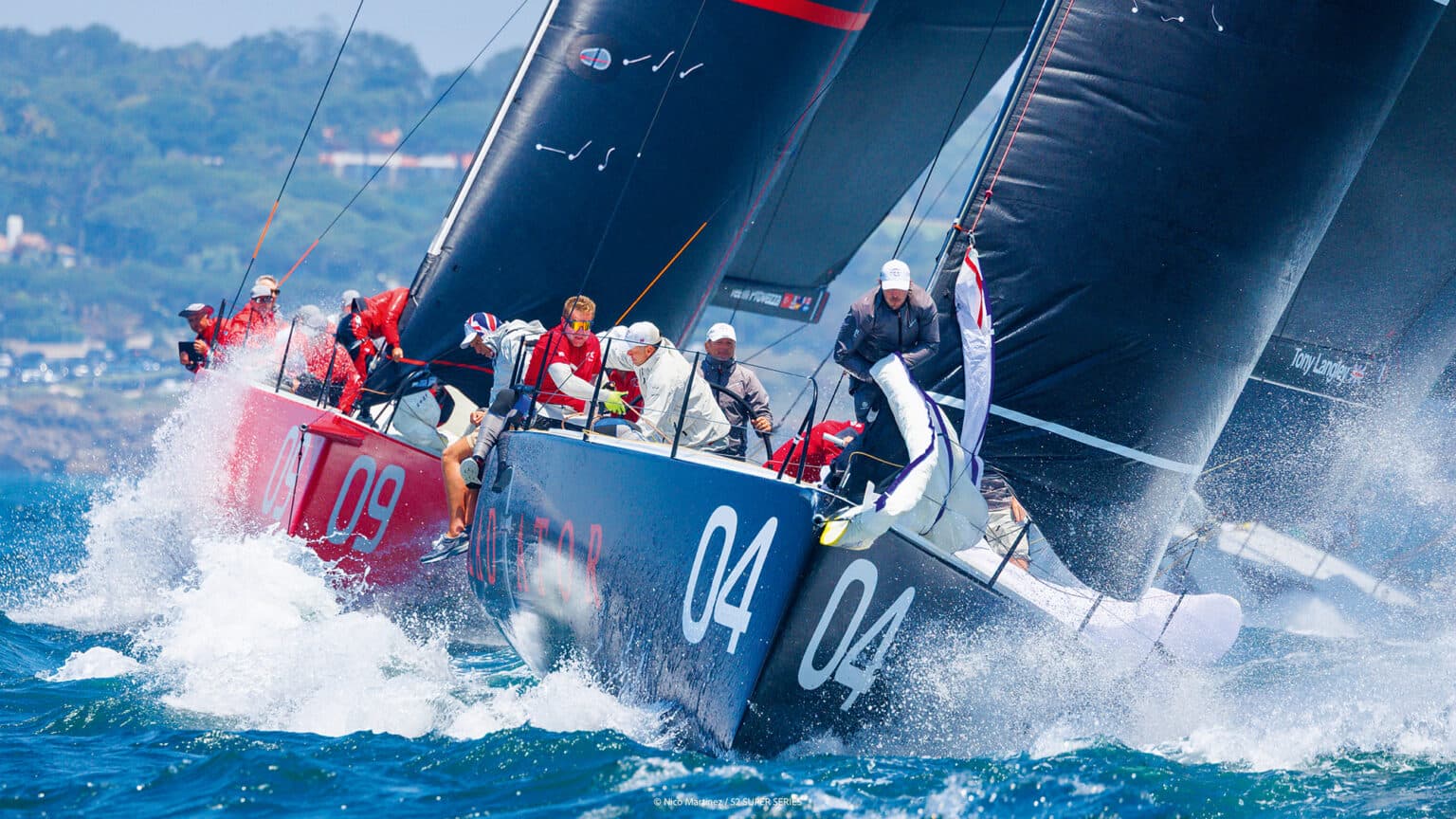
Standardised debrief protocols, mic‑and‑camera recording of onboard communications, and written team mantras directly reduce operational turnaround times between sorties, simplify provisioning and lower the risk of human-error incidents during complex maneuvers.
David “Freddie” Carr — who played a central role within the INEOS Britannia campaign — emphasises how a small, consistent set of shared team values and routines can transform the way a crew functions, whether aboard an Extreme 40, a TP52, or a chartered yacht on a weekend cruise. These practices influence not only racing performance but also the logistics of running a vessel: clearer roles speed up watches, structured feedback shortens post-sail debriefs, and recorded communications improve training efficiency.
Core value: define, display and enforce
Freddie’s team pinned their mantras inside lockers and used them daily. That simple visibility turns abstract ideas into operational rules: who speaks in a debrief, how feedback is framed, and what counts as a safe or unacceptable action. For charter operators and skippered rentals, visible crew protocols help visiting guests understand expectations quickly, reducing the time needed for briefings and lowering liability.
📚 You may also like
What a visible values board achieves
- Faster onboarding for new crew or guests;
- Consistent decision-making across watches;
- Clearer conflict resolution during high-pressure situations.
Feedback and honesty: feedback as fuel
One of the INEOS Britannia values was that feedback is for the greater goal — to make the boat go faster. Framing critique as a shared objective normalises constructive comments and reduces defensiveness. In practical terms, this turns long, repetitive post-sail meetings into short, targeted actions: who will adjust trim, who will test a sail change next run, and what will be measured.
Practical steps to implement honest feedback
- Document the intended outcome before giving critique;
- Use a “what, why, who” template: what happened, why it matters, who will act;
- Rotate the debrief chair to ensure diverse voices are heard.
Learn faster: the competitive and charter advantage
In Barcelona the British challenge prioritised learning speed and openness to critique; they climbed from mid-pack to the match by shortening the feedback loop. For sailing schools, flotillas and charter fleets, adopting a “learn faster” culture accelerates crew competence, which means safer charters and better guest satisfaction — key logistical outcomes for operators who need quick turnarounds between bookings.
Elements of accelerated learning
- Short, frequent debriefs focused on measurable change;
- Immediate practice of the suggested tweak during the next sail;
- Centralised notes or a digital log accessible to all crew.
Debriefing without rank
Borrowing a practice from military partners, the team debriefed “without rank,” ensuring every voice carried equal weight. That flattens communication hierarchies and encourages input from rookies as well as veterans. In a chartered environment, it helps captains surface guest concerns quickly and gives day‑crews confidence to report safety issues without fear of reproach.
How to run a rank‑free debrief
- Start with a non‑leader speaking first (rotate this role);
- Use a timed format so everyone gets an equal turn;
- Capture action items and assign responsibilities visibly.
Switch on “record”: audio and video as training tools
Recording comms and maneuvers — microphones on helmsmen and cameras covering key stations — makes communication measurable. For racing platforms this is fundamental; for charters and sailing schools it becomes a tool to validate training, clarify disputes and improve customer service. The small investment in audio/video equipment pays back in faster crew development and clearer incident analysis.
| Tip | Operational effect | Relevance to rentals/charters |
|---|---|---|
| Visible values | Reduces decision time, standardises responses | Shorter briefings for guests; consistent guest experience |
| Honest feedback | Shorter, action-focused debriefs | Improved safety and faster crew competence between bookings |
| Debrief without rank | More ideas, fewer blind spots | Greater guest involvement and trust in skippered charters |
| Record communications | Objective review of incidents and training | Evidence for claims, better instructor feedback |
Five quick action items to build a bomb‑proof crew
- Create and display three to five team mantras in the galley or locker room;
- Run 15‑minute post‑sail debriefs with a “what, why, who” agenda;
- Rotate the first speaker to ensure equal participation;
- Install simple audio/video capture for training loops;
- Keep a shared digital log for action items and progress tracking.
The broader context: these interpersonal systems are part of a vessel’s operational infrastructure. They interact with provisioning schedules, crew rotations, maintenance windows and insurance considerations. For anyone running a charter business or renting a boat with guests aboard, formalising values and recording outcomes can be a differentiator in both safety and customer satisfaction.
The GetBoat service values freedom, energy, and the ability to choose your own course. We keep an eye on news related to sailing and seaside vacations because we truly understand what it means to enjoy great leisure and love the ocean. Our platform places no limits on a good life, allowing clients to find a vessel that suits their preferences, budget, and taste; you can view make, model and ratings beforehand for transparency and peace of mind.
Experience is always multifaceted: exploring a new inlet or bay involves learning about local culture, nature, and the rhythm of life, as well as the particularities of service and hospitality. If you are planning your next trip to the sea, you should definitely consider renting a boat (boat rentals, rent a boat, rent a yacht), as each inlet, bay, and lagoon is unique and tells you about the region just as much as the local cuisine, architecture, and language GetBoat.com
Forecast and call to action: these crew‑centric practices have modest direct impact on macro tourism flows, but they are highly relevant to the quality and reliability of charter experiences worldwide. Start planning your next seaside adventure and make sure to book the best boat and yacht rentals with GetBoat before the opportunity sails away!
Summary: clear, written team values, honest feedback, rapid learning cycles, rank‑free debriefs and recorded communications improve safety, shorten operational turnarounds and raise crew competence. Whether racing a superyacht in match conditions or skipping across a gulf with friends, these methods make sailing smoother and more enjoyable. For those looking to charter or buy — yacht, charter, boat, beach, rent, lake, sailing, captain, sale, Destinations, superyacht, activities, yachting, sea, ocean, boating, gulf, water, sunseeker, marinas, clearwater, fishing — a platform that combines transparency, ratings and wide choice simplifies finding the right vessel. Fair winds ahead.


