Visa-free entry to China starts Feb 17 for UK, Canada
Alexandra
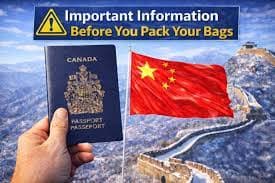
Effective February 17, holders of ordinary passports from Canada and the United Kingdom can enter mainland China visa-free for up to 30 days for business, tourism, visiting relatives and friends, exchanges, or transit, with the policy running through December 31; the measure applies at major air, land and sea ports and has immediate implications for passenger flows, charter itineraries and marina operations.
Key regulatory details and immediate transport impacts
The Chinese foreign ministry confirmed the measure after recent bilateral visits by leaders including Keir Starmer and Mark Carney, who discussed people-to-people exchanges with President Xi Jinping. For logistics planners and tour operators this means an uptick in short-stay arrivals without visa processing delays, which in turn affects airport ground handling, coastal pilotage bookings, and berth reservations at popular marinas.
What the permission covers
Permitted activities: business meetings, tourism, family visits, cultural and academic exchanges, and transit. Entry is limited to a single stay not exceeding 30 days per visit, and the policy is time-limited through December 31. Travelers should still meet standard immigration checks, including passport validity requirements and any health declarations in force at entry.
📚 You may also like
| Item | Detail |
|---|---|
| Effective date | February 17 |
| Eligible nationals | Canada, United Kingdom |
| Maximum stay | 30 days |
| Allowed purposes | Business, tourism, family visits, exchanges, transit |
| Policy expiry | December 31 |
Practical checklist for captains, charter operators and renters
Captains of visiting yachts and operators running charters in Chinese waters should prepare for increased demand and slightly different clearance routines.
- Documentation: Ensure all passengers carry valid ordinary passports and proof of onward travel for stays under 30 days.
- Berthing: Pre-book berths at marinas like Sanya, Qingdao or Shenzhen as short-stay tourists may fill slots quickly.
- Customs and quarantine: Confirm local health and customs declarations—these still apply even without a visa.
- Insurance: Verify charter insurance covers the new passenger mix and any extended cruising plans.
- Local partners: Coordinate with brokers, agents, or local captains for fast turnaround services.
How ports and marinas might respond
Marinas can expect a rise in transient yachts and day-charter bookings, which means ramped-up provisioning services, water and fuel resupply, and more frequent pilotage and tender operations. Local infrastructure that handles crew changes, luggage transfer and customs clearance will need to be flexible — picture a busy weekend when a regatta collides with holiday arrivals: you’ll want your ducks in a row.
Opportunities for the sailing and boat rental market
Tourism operators and GetBoat.com listers should view the policy as a chance to market short-term charters and day trips to British and Canadian clients without the friction of visa waits. Expect increased inquiries for:
- Weekend yacht charters and day-sailing packages near coastal destinations.
- Superyacht visits to high-end marinas where international crews handle clearances.
- Fishing and diving excursions tailored to short-stay visitors.
Pricing and inventory tips
Consider introducing flexible pricing for 1–4 day bookings and set aside a block of vessels for rapid turnaround. If you own a charter company or list boats on GetBoat.com, create short-stay bundles that include captain services, provisioning and shore transfers to attract spontaneous travelers.
Risks and operational caveats
While the visa waiver simplifies entry, operators must still manage immigration inspections, potential quota restrictions at certain ports, and rapid policy shifts — government rules can change, so plan contingencies. Also, the 30-day cap means longer cruise itineraries still require standard visas or different permits.
Quick action items for operators
- Update booking pages and terms to reflect the visa-free window.
- Train crew on document checks and local immigration expectations.
- Coordinate with marinas for berth allocation and waste disposal during peak days.
In short, the visa-free policy effective February 17 streamlines short-term travel for Canada and the United Kingdom, nudging ports, marinas and charter markets toward busier spring and summer seasons. For boat owners, captains and charter companies, it’s time to tidy up operations, sharpen turnaround logistics and promote those irresistible short-sail packages — smooth sailing isn’t guaranteed, but with a little prep it’s within reach.
Wrap-up: The key points are straightforward — visa-free entry from Feb 17 for Canadian and British ordinary passport holders, 30-day maximum stays for tourism, business and transit until Dec 31, and immediate ripple effects across aviation, ports and the yachting ecosystem. For the sailing community this can mean increased demand for yacht and boat charters, more visitors at marinas, fresh charter and captain opportunities, and boosted activities ranging from fishing to superyacht visits; keep an eye on bookings, adjust pricing and be ready to welcome sea-loving guests eager to rent, sail and explore new destinations.


