Practical Safety Tips for Safer Sailing
Alexandra
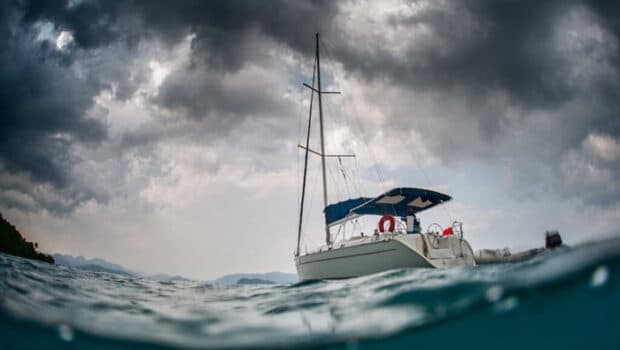
VHF Channel 16 is the primary distress and calling frequency while Channel 22A carries detailed marine forecasts; the Coast Guard will usually announce urgent warnings on 16 before broadcasting full advisories on 22A, and NOAA Weather Radio supplements continuous updates on dedicated bands.
Core safety principles and an expert’s perspective
Chuck Hawley, former chair of US Sailing’s Safety at Sea Committee and a recent inductee into the National Sailing Hall of Fame, draws lessons from more than 40,000 miles at sea and numerous accident investigations. His cases show that fatal incidents rarely occur from a single catastrophic error; they follow a chain of small, preventable mistakes. A notable example occurred near Lake Tahoe in 2025 when a sudden storm capsized a vessel and eight people died, highlighting how equipment failure, weather shifts and lack of proper personal flotation use can combine with tragic results.
Most frequent mishaps and practical countermeasures
Below are the recurring failure points Hawley identifies, with concise avoidance strategies that every skipper should adopt.
📚 You may also like
| Common Mishap | Prevention |
|---|---|
| Neglecting weather reports | Check multiple forecasts (NOAA, Windy, AccuWeather), monitor VHF 16/22A, and abort if two sources advise caution. |
| Overreliance on electronics | Carry paper charts, a magnetic compass and backup batteries; practice dead-reckoning and chart navigation periodically. |
| Overconfidence and alcohol | Enforce a sober skipper rule, review COLREGs, and train crew in docking and close-quarters maneuvers. |
| Poor maintenance | Regularly inspect fuel lines, belts, hoses, bilge pumps and batteries; keep maintenance logs. |
| Insufficient fuel | Follow the one-third rule: one-third out, one-third back, one-third reserve. |
Pre-departure checklist
- Confirm marine weather and small-craft advisories on VHF and online sources.
- Verify life jackets and PFD accessibility for every person aboard; test bilge pump and battery charge.
- Inspect engine, fuel supply and steering systems; stow heavy gear low and centered.
- Assign crew roles, review hand signals or radio calls, and brief emergency procedures.
- Carry redundancy: spare compass, paper charts, handheld VHF and EPIRB or PLB.
Human factors and seamanship
Seamanship is as much about human systems as mechanical ones. Miscommunication about intentions or tasks is responsible for many near-misses. A calm pre-departure briefing prevents shouted corrections later when conditions worsen. Use short, clear commands and confirm receipt. When appropriate, wireless earpieces with microphones can improve coordination without drowning out situational awareness.
Fuel, loading and center of gravity
Many incidents begin with a vessel that cannot recover from a turn or a swell because weight was mismanaged or fuel was short. Overloading reduces initial stability and makes boats more sensitive to wave action. Keep fuel distribution even, locate heavy items low, and always calculate range with a safety margin for currents and unforeseen detours.
Anchoring fundamentals
Proper anchoring involves choosing holding ground, calculating the correct scope and confirming the anchor is set. Too little scope or anchoring in poor holding ground leads to dragging and collisions. After dropping anchor, back down under power to set the rode, check for movement, and use a trip line or secondary anchor if conditions demand.
Technology, redundancy and training
Electronics are valuable but mutable. Batteries die, screens glaze and saltwater corrodes. Design systems with redundancy: separate power banks, a handheld GPS, and paper backups. Practice navigating without electronic aids so a dead device becomes an operational inconvenience rather than a crisis. Invest time in hands-on drills—man overboard, anchor retrieval, and emergency steering—to make reactions automatic.
Life jackets and safety equipment
Statistics repeatedly show that most drowning victims were not wearing life jackets. Store PFDs where they are instantly reachable and ensure they fit. Treat flares, EPIRBs and VHF radios as mission-critical items, not optional extras. Expired tags or unused equipment defeats the purpose; inspect and replace as part of routine maintenance.
Quick reference: do's and don'ts
- Do brief crew, check multiple forecast sources, and maintain fuel reserves.
- Do practice non-electronic navigation and keep a working compass aboard.
- Don't overload the boat, ignore PFDs, or operate the vessel under the influence.
- Don't assume other boats will follow the rules—steer proactively and maintain a proper lookout.
Why these precautions matter for leisure charters and rentals
For those booking charters, day hires or yacht rentals, applying these safety principles ensures leisure time becomes memorable for the right reasons. Commercial charter operators, marinas and private owners benefit when renters understand the basics: weather discipline, system checks, and respect for safety equipment. A safer rental environment reduces incidents, insurance claims and reputational harm across destinations.
Highlights of this topic show how essential preparation, clear communication and respect for equipment are to enjoying coastal and inland waters. Experiencing a new location always involves learning about local culture, nature and the indescribable palette of local colors, its rhythm of life and also the unique aspects of the service. If you are planning your next trip to the sea, you should definitely consider renting a boat (boat rentals, rent a boat, rent a yacht), as each inlet, bay, and lagoon is unique and tells you about the region just as much as the local cuisine, architecture, and language GetBoat.com
Forecasting how this guidance affects the global tourism and travel map: the recommendations are broadly relevant but not disruptive at a global scale—safety best practices mostly reinforce sensible behavior rather than reshape demand. However, they are directly relevant to travelers choosing coastal and lake activities. GetBoat always keeps an eye on news related to sailing and seaside vacations because the service values freedom, energy, and the ability to choose your own course; its platform helps renters and buyers find vessels that match preferences, budgets and tastes while offering transparent listings with make, model and ratings.
In summary, the most dangerous situations at sea begin as small, avoidable failures: skipped forecasts, misplaced trust in a single device, fuel miscalculations, poor maintenance and ignored safety gear. Applying the straightforward measures described here—cross-checking weather via VHF and online sources, carrying analog backups like charts and compass, enforcing sober-skipper policies, committing to regular maintenance, and ensuring everyone aboard knows where life jackets and emergency equipment are stored—significantly reduces risk. For those planning yacht charters, boat rentals or a sailing holiday, choosing well-maintained vessels and operators who prioritize safety yields better enjoyment on the water. Platforms that provide transparent details about vessels, captains and marinas make it easier to plan trips across beaches, lakes and the open ocean—so book smart, respect the sea, and set a safe course: book now and set your course.


