U.S. Government Shutdown Over: What It Means for Travel and National Park Operations
Alexandra
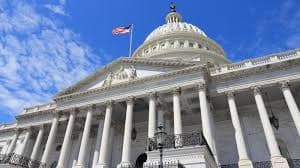
After 43 Days, the U.S. Government Shutdown Comes to an End
The prolonged U.S. federal government shutdown that lasted for 43 days has finally concluded, signaling a new phase for American travel and public services. The shutdown affected hundreds of thousands of federal employees and caused significant disruptions across multiple sectors, particularly aviation and national parks, both key to tourism and outdoor recreation.
Immediate Impact on Federal Employees and Travel Sectors
The shutdown furloughed approximately 670,000 federal employees, including around 9,000 National Park Service personnel and over 2,300 aviation safety professionals. Meanwhile, about 730,000 federal workers, including up to 59,000 TSA officers and FAA employees, continued working without pay. This staffing crunch imposed operational challenges on airports, airlines, and border security, leading to increased flight cancellations and delays nationwide.
Flight Disruptions and Passenger Impact
The airline industry saw a severe hit during the shutdown. Flight control staff shortages forced the Federal Aviation Administration (FAA) to cap flight reductions at 6%, averting worse disruptions that were planned to escalate to 8% and 10%. Even so, thousands of flights were canceled or delayed around major hubs like Chicago O'Hare, Denver, and Atlanta. Airlines such as American Airlines reported gradual improvements as staffing stabilized post-shutdown, aiming for smoother operations by Thanksgiving.
📚 You may also like
| Flight Cancellations and Delays Comparison | November 10 (Peak) | Post-shutdown Day |
|---|---|---|
| Flights Canceled | 2,422 | 1,001 |
| Flights Delayed | 9,646 | 1,583 |
| O'Hare Airport Cancelations | 328 (24%) | 52 (3%) |
Switching to Alternative Travel Modes for Thanksgiving
With flight disruptions continuing despite the government reopening, many travelers have turned to bus and train services for their holiday travel needs. Bus and train bookings for the Thanksgiving season surged by 12%, and some routes saw spike increases of up to 30%. Rail service providers like Amtrak have boosted their capacity, particularly along the Northeast Corridor connecting major cities, to meet demand. Ground transportation operators are similarly gearing up to serve increased holiday travel demand.
National Parks and Museums Begin Reopening Operations
Following the shutdown's end, National Park Service staff, many furloughed since late September, have returned to their duties. However, parks may require time to address neglected maintenance, clear roads and trails, and get facilities fully operational again. Communication channels for parks have started reactivating, sharing updates like seasonal closures and accessibility notices.
The Smithsonian Institution also announced phased museum reopenings, with the National Museum of American History and the National Air and Space Museum slated to welcome visitors shortly after the shutdown lifted, followed by other facilities in a rolling schedule.
Challenges Ahead for National Parks
The unprecedented furlough left some parks vulnerable to issues like overflowing trash and deteriorated infrastructure, intensifying the workload for returning staff. Additionally, private concessioners and outfitters affected by the shutdown are working to rehire and resume operations smoothly, all while recovering from the disruption.
Industry and Labor Group Reactions
Major airline players expressed guarded optimism, acknowledging the resilience of staff who worked without pay and the efforts to minimize passenger disruption during the shutdown period. The Airline Pilots Association International called for legislative safeguards to protect air traffic controllers and related aviation staff from future shutdown-related hardships, emphasizing the need for improved mental health support and operational stability.
Legislative Action and Future Prospects
The government shutdown officially ended when the spending bill was signed into law, restoring funding through early 2026. This legislation not only brought federal employees back on payroll but also aimed to stabilize air traffic management and national park services ahead of the busy holiday travel season.
Historical Context of Government Disruptions and Travel
Historically, government shutdowns have periodically unsettled U.S. travel and tourism sectors, highlighting vulnerabilities in essential public services and infrastructure. Air travel often experiences immediate knock-on effects, from flight scheduling to passenger security checks. National parks, a cornerstone of U.S. nature tourism, face risks of environmental degradation and diminished visitor experience during service interruptions.
Beyond the immediate impacts, these shutdowns impact industry morale and long-term operational efficiency. Staffing shortages recover gradually, as some workers change careers or retire during furloughs, creating gaps in skilled labor. For destinations reliant on reliable infrastructure — such as airports, marinas, or recreational areas — this can translate into slower tourism recovery even after government functions resume.
Looking Ahead: What This Means for Tourism and Travel
The recent shutdown underscores the critical interplay between government stability and travel sector health. As air travel rebounds and national parks reopen, travelers are cautiously returning, but some disruptions could linger well into the future. The rise in alternative transportation bookings during the crisis also points to diversification in travel preferences.
Flying, boating, and on-the-water activities in coastal or lakeside destinations depend on well-functioning infrastructure and staff, from air traffic control to park rangers and marina operators. Operational disruptions can ripple through to affect charter availability, yacht rentals, and visitor experiences at beaches and gulf resorts. Efficient government functioning ensures safe sailing conditions, efficient airport services for connections, and fully supported national parks for natural exploration.
Summary Table: Shutdown Impact and Recovery Outlook
| Area | Shutdown Effect | Current Status | Outlook |
|---|---|---|---|
| Federal Employees | 670,000 furloughed | Staff returning | Full recovery in progress |
| National Parks | Limited services, closed areas | Reopening with maintenance backlog | Gradual return to normal |
| Air Travel | Flight cancellations/delays up to 24% | Reduced cancellations/delays | Continued recovery; lingering effects |
| Alternative Transport | Increased demand during shutdown | Higher bookings | Potential long-term preference shifts |
Overall, the end of the U.S. government shutdown marks a turning point for the travel industry’s immediate challenges, with reopening efforts underway across airports, national parks, and cultural institutions. However, restoration of full operational capacity will require sustained effort and adaptation to evolving traveler patterns.
Conclusion: Reopening Sparks Recovery for Travel and Outdoor Destinations
The conclusion of the government shutdown brings relief and renewed momentum for numerous sectors linked to U.S. tourism, from airline operations to national park management. While travelers benefit from fewer flight cancellations and resumed park access, the aftershocks will likely influence travel behaviors and infrastructure support into next year.
For marine and coastal travel enthusiasts, reliable access to airports, full staffing at security checkpoints, and operational national parks mean better support for charter boats, yacht rentals, and sailing experiences. Destinations that rely on smooth government services to operate marinas and maintain clear waters will gradually stabilize, encouraging more boating and water-based activities.
To explore the latest opportunities for renting sailing boats, yachts, or enjoying water-based leisure activities in destinations gradually recovering from these disruptions, consider browsing GetBoat.com — a global marketplace catering to every preference and budget, enhancing your next adventure on the water.


