Twin-tube under-Brahmaputra tunnel to link Gohpur and Numaligarh
Alexandra
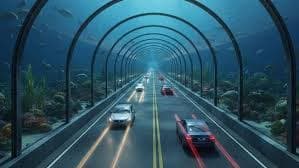
The Union Cabinet has approved a 33.7 km greenfield corridor linking Gohpur (NH-15) and Numaligarh (NH-715) that includes a 15.79 km underwater twin-tube road-cum-rail tunnel beneath the Brahmaputra, at an estimated capital cost of INR 18,662 crore.
Project scope and technical profile
The project will be delivered on EPC mode and features a four-lane access-controlled corridor with a twin-tube tunnel under the river. Each tunnel tube will contain two lanes for road traffic, while one tube will be provisioned for railway infrastructure, creating a multimodal under-river connection designed to integrate seamlessly with existing national transport arteries.
Key specifications
| Parameter | Detail |
|---|---|
| Total corridor length | 33.7 km |
| Tunnel length (under Brahmaputra) | 15.79 km |
| Configuration | Twin-tube; two lanes per tube; rail in one tube |
| Mode of execution | EPC |
| Estimated capital cost | INR 18,662 crore |
| Travel-time reduction | From ~240 km / 6 hours to 33.7 km / under 1 hour |
| Employment impact | Estimated 80 lakh person-days of direct and indirect employment |
Connectivity and multimodal integration
On the road side the corridor ties NH-15 at Gohpur to NH-715 at Numaligarh. Rail links include the Rangia–Murkongselek section near Gohpur and the Furkating–Mariani loop near Numaligarh. The alignment also connects to two airports — Donyi Polo Airport, Itanagar and Tezpur Airport — and two inland waterway terminals at Biswanath Ghat and Tezpur, enabling true multimodal flows of passengers and freight.
📚 You may also like
Planned node linkage
- 11 economic nodes
- 3 social nodes
- 2 tourist sites
- 8 logistics hubs and 4 railway stations
Economic and logistical impact
Cutting the Gohpur–Numaligarh route from 240 km to 33.7 km and travel time from about six hours to less than one hour will materially affect freight efficiency and logistics costs across Assam and neighbouring North-Eastern states. Expect reduced trucking miles, lower fuel consumption, faster rail-road transfers and a boost to time-sensitive supply chains. The construction phase alone is projected to create substantial employment, while longer-term gains are likely in trade, tourism and industrial development.
Benefits at a glance
- Major reduction in travel time and distance
- Improved freight corridors and lower logistics costs
- Enhanced regional integration across Assam, Arunachal Pradesh and Nagaland
- New corridors for tourist and economic development
- Rail-road interoperability under a single river-crossing asset
Engineering, environmental and operational considerations
Building a 15.79 km tunnel under a major river presents complex geotechnical, hydrological and environmental challenges. Tunnel-boring approaches, ground-freezing or diaphragm wall techniques may be considered depending on substrata and riverbed conditions. Sophisticated waterproofing, ventilation and safety systems will be mandatory, and long-term maintenance regimes must be factored into lifecycle costs.
Risks and mitigation
- River hydrodynamics and sedimentation: detailed surveys and adaptive design
- Seismic and geotechnical risks: real-time monitoring and robust TBM selection
- Environmental impacts: biodiversity assessments and riverine habitat protection
- Operational safety: fire suppression, emergency egress and rail-road segregation
Implications for coastal and inland boating, tourism and rentals
Linking road, rail and inland waterway terminals will change travel patterns for leisure and commercial boating. Faster land connectivity to inland terminals at Biswanath Ghat and Tezpur can stimulate demand for river-based excursions, day-charters and local boat rentals. From a GetBoat.com perspective, better access means more tourists reaching riverfront marinas, enlarged markets for yacht and boat charter operators, and increased demand for services such as captained excursions and fishing trips — as they say, steady as she goes when planning multi-modal days on the water.
- Shorter access times increase attractiveness of day-charters and fishing trips.
- Improved logistics reduce costs for transporting boats and equipment to marinas.
- Expanded tourism nodes support new marina or berth development and private yacht activity.
Anecdote from the region
Local operators already report that weekend demand spikes whenever road travel becomes easier; imagine cutting hours off travel — boat captains and charter companies will likely see more bookings, and small inland marinas will become busier hubs for recreational activity.
Implementation timeline and policy alignment
Approval by the Cabinet Committee on Economic Affairs fast-tracks project readiness, but actual timelines will depend on detailed design, clearances and tendering under the EPC framework. The project aligns with national goals to strengthen North-East infrastructure and create integrated transport networks that support inclusive regional growth.
In summary, the approved twin-tube under-Brahmaputra tunnel between Gohpur and Numaligarh is a transformative multimodal infrastructure investment that reduces journey time dramatically, integrates road, rail and inland waterways, and is set to create substantial construction employment. For the boating and charter ecosystem, improved access to inland terminals and tourist nodes promises more demand for yacht and boat rentals, captained outings and marina services. Key takeaways: major travel-time cuts, multimodal connectivity, large-scale employment generation, engineering complexity and clear opportunities for increased boating, yachting and tourism activity across river and coastal Destinations — from small boat charters to superyacht visits, from fishing trips to beach and lake excursions, boosting marinas, clearwater tourism and coastal sale and rent markets.


