Ultimate Guide to Buying a Boat - Essential Checklists for Every Buyer
Alexandra
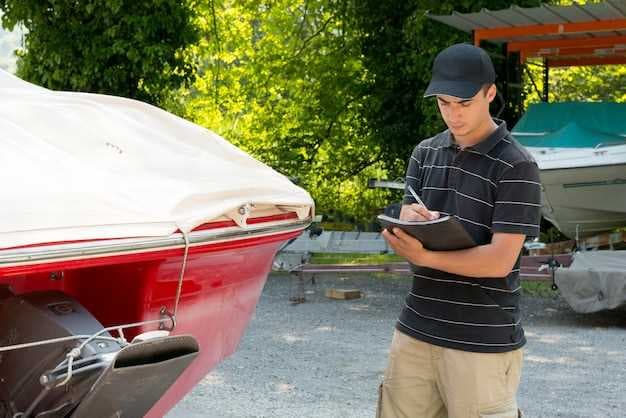
Thinking about boat ownership can stir excitement, especially when you envision the freedom of sailing. However, before you dive in, it's crucial to approach this decision with careful thought. Boats can significantly vary in age, type, and functionality, from older models to the latest yachts, and understanding what you want will greatly influence your experience on the water. It's essential to consider whether you're going for a houseboat or a sailboat, and each choice holds its unique challenges and rewards.
Every prospective boater should do extensive research and prepare a checklist before making a purchase. The costs involved, including storage, maintenance, and potential problems down the line, must be factored into your decision. Without a pre-approved budget, you may end up spending much more than you anticipated, especially when it comes to reliable products and necessary gadgets. Having a solid understanding of what to look for will ultimately increase your chances of a satisfactory purchase.
When you're ready to begin looking at options, remember that not every boat will hold the same appeal. Seeing a vessel in person can be very different from how it looks online, so don't ignore the importance of visiting multiple sellers. The overall condition of the boat, from the keel to the battery and window seals, will indicate how well it has been maintained throughout the years. A good boat should not only meet your expectations in appearance but also pass the smell test–no one wants to deal with unwanted issues after making a purchase.
📚 You may also like
Whether you are a seasoned boater or a novice, the key to a successful acquisition lies in your preparation. Take the time to inspect every aspect of a boat before making a decision. This guide aims to provide you with the essential checklists that will illuminate the path to finding your perfect boat, so you can embark upon your boating adventures with confidence. It’s a chance to love something outside of your daily routine and make memories on the water for years to come.
Understanding Your Needs Before Purchase
Before diving into the boat-buying process, it's essential to conduct a thorough analysis of your specific needs. This step is often overlooked because buyers get caught up in the excitement of browsing available options. Understanding what you truly want can streamline your search, helping you avoid major problems down the line. For instance, if you're considering a liveaboard lifestyle, the requirements will differ significantly from those of casual day trips. You should always take time to explore your options before making a decision.
The type of boat you need greatly depends on how you plan to use it. If you're looking at a tiny fibreglass vessel for leisurely outings, the features will differ vastly from a full-sized yacht intended for long-term living. A couple of key questions to ask yourself include: How much storage do I need? How many people will be on board? These considerations can lead you to a more reliable choice that suits your lifestyle. Forget about spending unnecessary money on luxuries that don't impact your experience of being on the water.
When it comes to marina options, accessing facilities that align with your requirements is critical. If you're paying for dock space, ensure it provides the services and amenities that work against your planned activities. Before making a purchase, it’s helpful to compile a checklist of features that are non-negotiable for you. This could include safety features, fuel efficiency, and even aesthetics. The right guide can also provide insights into the best brands and models to consider, ensuring your decision is well-informed.
| Boat Type | Usage Scenario | Essential Features |
|---|---|---|
| Sailboat | Weekend Getaways | Storage for gear, comfortable sleeping area |
| Motorboat | Fishing and Water Sports | Powerful engine, spacious deck |
| Liveaboard | Full-time Residence | Storage space, kitchen facilities, reliability |
Taking the time to clarify your needs can have a significant impact on your level of happiness with the purchase. Consider adjusting your budget to accommodate additional features or attributes that could enhance your life on the water. Whether you are seeing boats at a local expo or browsing online, this preparatory work will ensure you are capable of making a reasonable choice that brings joy and fulfillment. Always remember, doing a little extra work beforehand can lead to being much more satisfied with your new vessel.
Identifying Your Purpose for the Boat
Before you dive into the overwhelming world of boat shopping, it's crucial to identify your purpose. Every boater has different goals, which should influence your decision-making process. Whether you want something small for weekend fishing trips or a blue-water cruiser for long expeditions, knowing what you plan to do will impact all your subsequent choices.
Take a moment to think about the features that will best suit your intended activities. If you envision sailing with family, a saloon with ample seating might be essential. On the other hand, if you're looking for a tiny vessel to navigate through tight coastal areas, focusing on size and maneuverability will be key. Develop checklists that reflect these priorities so nothing falls through the cracks.
Consider also the type of water you'll be operating in. Are you primarily a lake boater, or do you want to tackle the open sea? Different vessels are built for various environments, and understanding this will help you sift through the vast market. Research the hull type, keel design, and even how the battery systems are integrated for optimal performance in your chosen setting.
For liveaboards, you might need to think about additional factors like space and amenities. What will make your time on the water feel like home? This consideration goes beyond just looks; it’s about creating a comfortable living environment. Make sure your checklist includes these crucial aspects to avoid regret after your purchase.
Budget is another thing to keep in mind. While you might have a vision of what your perfect boat looks like, you should remain realistic about how much you're willing to pay. Some boats come with higher maintenance costs, so factor this into your investment calculations. Don’t simply look at the purchase price; consider the full picture of ownership.
Using your goals, preferences, and budget, begin browsing various models and manufacturers. Take time to visit dealers and see boats in person. Nothing beats the smell of the sea and the feel of fresh air while you're assessing what’s available. Seeing the options up close will help refine your vision of the right boat.
Finally, take the time to complete your research before making a decision. Talk to other boaters, read reviews, and seek out forums. By understanding the experiences of someone who’s owned a similar vessel, you'll feel more equipped to make the best deal for yourself. The more informed you are about your purpose and the available options, the more confidence you’ll have when making this significant investment.
Determining the Right Size and Type
Choosing the right size and type of boat is essential for both first-time and seasoned buyers. Understanding how you plan to use the boat will significantly impact your decision. Whether you’re considering coastal cruising or blue-water sailing, the size and type you choose must align with your intended activities.
For instance, if you wish to spend extended periods on the water, a liveaboard boat may be your best option. These vessels typically range from 30 to 50 feet and come equipped with a comfortable cockpit and adequate living space. On the other hand, if your plan involves shorter day trips, a smaller sailboat or motorboat could suffice. The size of the boat can greatly affect the overall cost, so it’s crucial to have a clear understanding of your budget before moving forward.
When shopping for boats, don’t forget to consider the brand and its reputation for reliability. Researching various manufacturers and their histories can help you figure out which ones have consistently made quality products. Older boats can be reliable, but their condition is critical; pay close attention to maintenance records and any signs of wear. This analysis will provide further insight into whether the investment is worth it.
- Identify your primary usage: coastal or blue-water sailing.
- Consider the number of people who will regularly be onboard.
- Decide on essential gear and equipment you plan to include.
- Think about where you'll store and dock your boat.
As you navigate through the options, it may be beneficial to make a checklist of essential features you want in a boat. This approach makes it easier to evaluate each vessel against your criteria. If you find features you wish to skip, adjust your list accordingly. Some buyers might be tempted to focus solely on price, but it’s essential to balance cost and condition when making your choice.
Another factor to keep in mind is fuel efficiency. Larger boats typically consume more fuel, impacting long-term operational costs. Knowing how much you are willing to spend on fueling your boat will help narrow down your choices. Also, think about the types of adventures you wish to embark on; some vessels are better equipped for longer journeys or rough conditions.
As you begin this journey, make use of various sources for boat reviews and guides. Many online communities can help point you in the right direction. Engaging in forums or reading expert blogs can offer insights and personal experiences that inform your purchase. Don't hesitate to ask questions or seek advice from seasoned boaters; their wisdom can be invaluable.
In summary, determining the right size and type of boat requires careful thought and planning. Outline your priorities, budget, and intended use. Being prepared with adequate knowledge will ultimately help you feel more confident in your decision. Remember, it’s not just about what looks great at first glance; it’s about what will leave you happy and satisfied as you embark on your adventures.
Setting a Realistic Budget
Establishing a realistic budget is essential for anyone looking to buy a boat. Most boaters conduct thorough research and analysis to understand the true costs involved. Beyond the initial price of the floating investment, one needs to account for additional expenses such as insurance, maintenance, and docking fees. For first-time buyers, this analysis can help in making informed decisions and ensure that you’re satisfied with your purchase for many years to come. Moreover, be sure to factor in the possibility of depreciation, as boats can lose value faster than other types of investment. If you're working within a tight budget, consider looking at used models, which can provide significant savings while still meeting your needs.
When it comes to budgeting, it’s crucial to think about both upfront costs and ongoing expenses. For instance, if you’re planning to liveaboard, consider the costs of utilities, food, and necessary gadgets. Having a pre-approved loan can make shopping easier and help you narrow down options within your desired price range. Don't forget to test different models and make comparisons; those extra hours spent watching reviews can lead to better investment choices. Ultimately, setting a budget requires you to conduct thorough research to distinguish between wants and needs, ensuring that you’re not just buying a brand new boat but a vessel you can enjoy without financial stress.
Researching Costs Beyond the Initial Purchase
When considering buying a boat, it's essential to research costs beyond just the initial purchase price. Many buyers often focus solely on the amount displayed by dealers, forgetting that this investment comes with ongoing expenses. These include maintenance fees, insurance, docking fees, and fuel costs, which can vary significantly based on the size and type of vessel you choose. Understanding these factors will help you navigate the financial commitment involved, ensuring your experience remains happy and fulfilling.
Additionally, looking into the condition and age of the vessel can tell you a great deal about future expenses. Older boats may seem like a bargain at first but can require more repairs and replacement parts, often leading to higher costs over time. It's advisable to browse different brands and products, comparing their reliability and maintenance needs. This way, you can create a shortlist of boats that not only look appealing but also have proven their worth through customer experience and reviews.
Don't forget to factor in costs for gear and equipment that you might need after the purchase. Whether it's safety equipment or additional functionality for the cockpit, these items can add to your overall cost. Testing different models and talking to other boat owners can also give you valuable insights into the hidden costs of boat ownership. By preparing thoroughly and doing your research, you'll be better equipped to make a wise investment that suits your lifestyle and meets your needs for many coastal days ahead.


