Ultimate Guide to Boating Paddling - Tips, Techniques, and Top Destinations
Alexandra
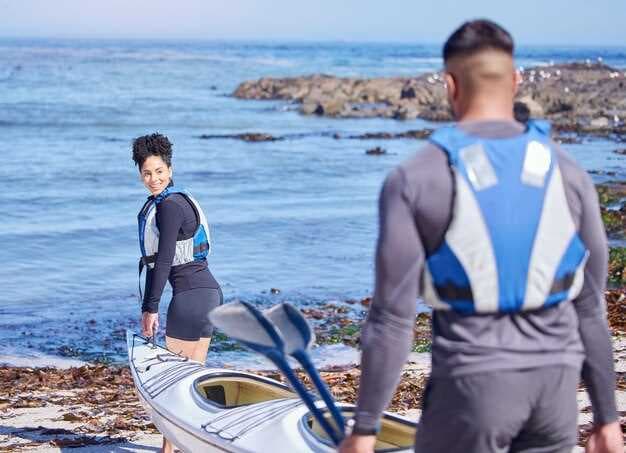
Boating paddling is not just a hobby; it’s an exhilarating experience that allows you to connect with nature while mastering various watercraft techniques. Whether you’re drawn to kayaks, canoes, or stand-up paddleboards, each craft offers unique ways to explore serene lakes and rivers. This guide will provide valuable insights and tips, enabling you to enhance your paddling skills and discover new destinations worth visiting.
Many outdoor enthusiasts find their weekends best spent renting kayaks or canoes from self-service rental locations, which often include approved fishing options for those eager to cast a line. Lakes such as Eisenhower and Owasa serve as perfect parks for boating adventures, offering easy access to calm waters. With the right structure and equipment, paddling can be a relaxing endeavor or an exciting challenge, depending on your interests.
In this guide, we will cover essential techniques ranging from basic paddling strokes to advanced maneuvers with throwable flotation devices for safety. There will also be insights into choosing the right gear–like the importance of a quality transducer for fishing craft and how a good paddle can make a significant difference in your experience. Thus, whether you're planning a trip to the flat waters of Colorado or the bustling shores of Greensboro, you will gain the tools necessary to make the most of your time on the water.
📚 You may also like
From understanding how to carry your board to learning what type of paddle suits your needs, this comprehensive guide aims to equip you with all the essentials for a successful paddling adventure. Along the way, you'll discover tips on how to navigate your way through different environments and improve your boating skills while enjoying the great outdoors. With all these tips at your hand, every outing promises to be worth it!
Essential Paddling Techniques for All Skill Levels
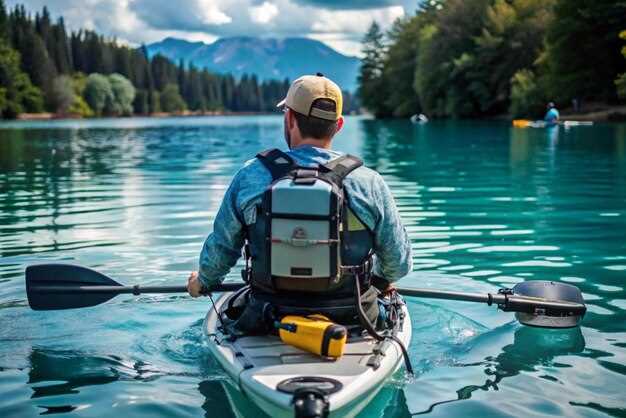
Paddling offers a unique way to connect with nature, and mastering basic techniques can enhance your experience on the water. Regardless of whether you’re in a kayak, canoe, or paddleboard, fundamental skills are essential. Start with the correct grip: hold your paddle with your hands about shoulder-width apart, ensuring a comfortable reach while maintaining control. The proper body posture involves keeping your back straight and core engaged, which helps in generating power with each stroke without compromising stability.
One effective technique is the forward stroke, which propels your craft efficiently. To execute this, dip the blade into the water near your toes and pull it back towards your hips in a smooth motion. For more advanced maneuvers, consider learning the “eddie turn.” This skill is essential when navigating moving water conditions such as those found at the popular Owaso access points in parks like Somerville and Greensboro. It allows you to use the current to your advantage, facilitating controlled movement in and out of eddies with ease.
Understanding the water dynamics is equally crucial. The structure of rivers and lakes can greatly affect your paddling experience. Whether you’re exploring the flat waters of Colorado or tackling rougher terrains, knowing how to read the current will help you assess potential hazards. Kayaks and canoes have unique handling features, and knowing how to effectively stabilize yourself in either craft can prevent capsizing and improve safety. Practice techniques like 'sculling' for balance while paddling in open waters.
| Technique | Description |
|---|---|
| Forward Stroke | Basic propulsion used in all paddling activities. |
| Eddie Turn | A maneuver used to enter or exit eddies in flowing water. |
| Sculling | Balance technique that helps maintain stability. |
| Backstroke | Used to slow down or reverse direction. |
Lastly, practice makes perfect. Regularly immersing yourself in rental programs or joining local paddling clubs will not only build your skills but also enhance your confidence. Every weekend offers the potential for new experiences in your boating journey, whether you're aiming for a calm afternoon of fishing or racing with friends. Self-service kayak access points can be found in various parks, offering affordable options for those eager to learn. Remember to carry a throwable flotation device, as safety is paramount while enjoying time on the water.
Perfecting Your Paddle Stroke
Mastering your paddle stroke is essential for efficient and enjoyable boating. A well-executed stroke allows for smoother movements on the water, whether you're using a kayak, canoe, or paddleboard. Begin by positioning your hands correctly on the paddle, ensuring they are approximately shoulder-width apart. This technique provides better control and leverage when generating power through your stroke. It's also vital to maintain a relaxed grip, as tension can lead to fatigue, particularly on longer outings.
To refine your technique, practice different stroke variations. For instance, the forward stroke propels you efficiently; focus on rotating your torso while applying force with your arms. The reverse stroke can help in steering and slowing down, which is particularly useful when maneuvering around obstacles. Incorporate side strokes when making tight turns or when navigating through narrow areas, like those found in parks or near rental stations for boats and boards. Consider investing time in programs that offer structured lessons, as approved instructors could provide personalized feedback to further improve your abilities.
- Practice consistently for muscle memory.
- Pay attention to your body's positioning to avoid strain.
- Experiment with different paddles available at self-service rental stores.
- Learn about local parks and lakes where you can practice your strokes.
With determined practice and interest in refining your paddling skills, you can experience a significant improvement in your performance. The joy of boating in locations like Colorado or popular waterways like those around Greensboro will be even more rewarding. Remember, the journey is just as important as the destination; the more you paddle, the more proficient you will become at managing your craft on diverse waters.
Understanding Different Paddle Types
When it comes to boating and paddling, understanding the different types of paddles available is crucial. Paddles serve as the primary means of propulsion for kayaks, canoes, and paddleboards. They generally fall into two categories: single-blade and double-blade paddles. Single-blade paddles are typically used in canoes and are often favored for their ability to control direction effectively with a structured stroke. On the other hand, double-blade paddles are commonly associated with kayaks and paddleboards, allowing for more rapid movement on the water with less exertion. Each type has unique advantages that cater to different paddling interests.
One must also consider the materials used in paddle construction. Some paddles are built from lightweight materials like carbon fiber or fiberglass, enhancing performance by reducing fatigue during longer outings. Others may use more durable materials, like aluminum or plastic, which can be ideal for those renting equipment or those in need of a robust paddle for less than perfect conditions. Each type of paddle not only affects your boating experience but also aligns with your goals, whether it be fishing in calm lakes or a thrilling ride down the rapids.
The length and design of paddles are another critical aspect that paddlers must understand. For instance, a longer paddle can offer greater reach, which is beneficial when navigating wide, open water like Colorado’s lakes. In contrast, a shorter paddle may be more suitable for maneuverability in tighter spaces or when paddling from a rental in areas with dense structure. As you choose your paddle, consider how it interacts with your preferred environment–whether you’re out on Owaso Lake or enjoying the calmness of Eisenhower Park.
Ultimately, selecting the right paddle is a combination of personal preference, intended use, and available options at your local rental store or through organized programs. Taking the time to experiment with different types ensures that you not only enhance your skills but also enjoy your time on the water. Whether you prefer a self-service rental or a fully guided experience, understanding paddle types can greatly improve your overall boating excursions during those picturesque weekends out on the lake.
Kayak vs. Canoe: Choosing What's Right for You
When it comes to choosing between a kayak and a canoe, several factors can influence your decision. Kayaks are typically designed for solo or tandem paddling, offering a sleek, low-profile structure that allows for faster movement across water. They are excellent for navigating through lakes and rivers, particularly in areas with flat water and faster currents. If you're interested in activities like fishing or skiing, kayaks might garner more favorable results because of their stability and ease of handling with various water conditions.
Canoes, on the other hand, offer more space for passengers and gear, which makes them an ideal choice for family outings or camping trips. They often come with a deeper hull, allowing for greater stability when carrying extra weight. If you're considering exploring areas like lakes or parks in Greensboro or renting a boat for a weekend trip, a canoe may be worth your consideration. With their open design, canoes provide easy access for getting in and out, a feature that's particularly beneficial when fishing or simply enjoying a relaxed day on the water.
While kayaks often feature a closed design that requires paddlers to sit lower, canoes provide a self-service experience where you can throw in gear and still have room to move. This difference can significantly impact your time on the water. For example, in Somerville and Fort areas, where both crafts are popular, finding rentals that offer what fits your needs could make your boating experience even more enjoyable.
Additionally, when considering the buying options in local stores, it’s crucial to think about how actively you plan to use your craft. The cost of canoes and kayaks can vary significantly, with some boats better suited for those who wish to engage in programs that focus on kayaking techniques or canoe safety. Whether you are drawn to the maneuverability of a kayak or the spacious design of a canoe, knowing your interests will help narrow down your choices.
Finally, regardless of the craft you choose, becoming familiar with local waters in Colorado or using a rental service that includes instructional programs can enhance your experience. Both kayaks and canoes have their strengths, and understanding how they fit into your lifestyle will not only ensure time well spent on the water but will also help you appreciate nature's beauty through boating adventures. Whether for recreation, fishing, or leisurely family outings, the right boat will ultimately make your time on the water a memorable one.
Safety Maneuvers: Avoiding Common Hazards
When enjoying your weekends on the water, whether in a kayak, canoe, or rowboat, it's crucial to be aware of common hazards that can impact your safety. Many parks and lakes, like those in Greensboro or Somerville, have structures like docks and buoys. Familiarize yourself with these during your visit, as they can serve as both points of interest and potential dangers. For instance, the edges of a park's dock may have sharp edges that can damage your craft or cause injury if you fall.
Additionally, understanding the water dynamics, such as currents and eddies, can drastically enhance your safety while boating. A strong current, particularly near fort-like structures you may find along the banks, can pull you away from your intended path. When renting a craft, ensure you are aware of these water behaviors and ask staff at rental stores about the safest routes. Many local programs also emphasize the importance of knowing how to navigate local water conditions.
Having the right safety gear is essential. Always carry a throwable flotation device like a D-cell buoy, and ensure that each person on your craft has a life jacket approved for their weight and age. In case of an emergency, quick access to this equipment can mean the difference between a safe day on the water and a dangerous situation. Before heading out, organize your safety checks efficiently; this step should not be overlooked because being unprepared can lead to accidents.
Lastly, make sure to maintain communication with others on the water. Whether you’re skiing behind a craft or paddling on your own, using hand signals and staying aware of your surroundings is vital. If you're in a rental kayak or paddleboard, it's worth noting that many lakes have designated zones to restrict access to certain areas for safety reasons. Always heed signage to navigate effectively and safely. Following these safety maneuvers will help you enjoy your boating experience while minimizing risks associated with common hazards.


