UK enforces mandatory Electronic Travel Authorisation
Alexandra
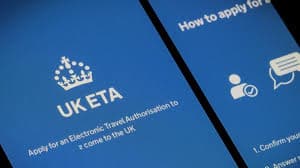
From 25 February, travellers from 85 countries who currently enter the United Kingdom without a visa must hold an Electronic Travel Authorisation (ETA) purchased online for £16; airlines will refuse boarding to passengers who cannot present a valid ETA, eVisa or other entry documentation.
Key practical changes at air and sea ports
The ETA rule converts a previously optional pre-travel permit into a compulsory entry requirement for many short-stay visitors. Operationally, the scheme enforces three concrete steps for inbound travellers:
- Purchase the ETA online before departure (cost: £16).
- Carry proof of ETA (digital receipt or printed confirmation) to show at airline check-in or port authorities.
- Understand exemptions: British and Irish citizens, people with settled or pre-settled status, and holders of valid UK visas remain exempt.
Who enforces the rule and how boarding will change
Airlines and ferry operators are now required to verify an ETA at the point of boarding. Failure to confirm an ETA will result in airlines preventing passengers from boarding flights to the UK. The policy applies to arrivals by air and is functionally identical for ferry passengers embarking from non-UK ports where carriers check travel documents pre-boarding.
📚 You may also like
Immediate traveller checklist
- Check national passport status against the UK list of 85 countries requiring ETA.
- Apply for ETA well before the planned departure (allow for processing delays during peak travel periods).
- Keep a digital and printed copy of ETA confirmation accessible during check-in and border control.
- If travelling in a group or on a yacht transfer, ensure every non-exempt person holds an ETA.
Logistics and industry impacts
For carriers and airports, the mandatory ETA increases the need for pre-departure document screening and passenger communications. Expect higher engagement from check-in desks, automated check-in kiosks and online check-in flows instructing passengers to upload or enter ETA references. Border Force operations at arrival points in the UK will rely on the ETA database to streamline identity verification, but the immediate effect is a redistribution of workload upstream toward airlines and port operators.
| Element | Current status | Impact from Feb 25 |
|---|---|---|
| ETA cost | £16 | Mandatory purchase before travel |
| Countries affected | 85 | All travellers from these countries need ETA unless exempt |
| Airline boarding checks | Advisory until now | Enforced; no-ETA = no boarding |
Risks for operators and travellers
- Last-minute denied boarding creates stranded passengers and potential compensation claims.
- Pooled transport arrangements (coach transfers, private yachts collecting passengers from ports) may be disrupted if a single passenger lacks ETA.
- Tour operators and charters must incorporate ETA verification into pre-departure briefings.
Historical context and parallels
The UK’s ETA builds on a global trend toward electronic pre-travel authorisations designed to digitise border control and reduce manual passport stamping. The ETA was introduced in 2023 and extended to include European visitors in April of last year, but enforcement was gradual; the February 25 enforcement date marks a shift from permissive rollout to strict compliance.
There is a close parallel with the European Union’s Entry/Exit System (EES), which removes manual stamping and records travellers digitally at the EU external borders. The EU implementation created transitional friction—airport queues and processing delays as systems integrated—highlighting how digital border systems can produce short-term capacity challenges at check-in and arrival areas.
Why governments adopt ETAs
- Enhanced border security through pre-arrival vetting.
- Reduced fraud and improved identity matching with watchlists.
- Data to help manage migration flows and plan resource allocation at ports of entry.
Forecast: effects on tourism and international travel
In the near term, the mandatory ETA is likely to produce a modest increase in pre-departure friction for travellers and increased administrative load for carriers. Over the medium term, smoother arrival processing and better resource planning at airports may offset initial disruptions.
For travel businesses, the practical consequences include:
- Greater emphasis on pre-trip communications to ensure every passenger holds required documentation.
- Investment in check-in systems and staff training to validate ETAs efficiently.
- Potential short-term reduction in spontaneous travel from affected markets where last-minute departures are more common.
Specific considerations for charter and marina operators
Although the ETA is an air/port-side process, it affects maritime leisure sectors indirectly. Yacht charters, marina operators and transfer services should note:
- Private yacht guests flying into UK airports must hold an ETA; failure can delay embarkation schedules.
- Cross-border yacht deliveries where crew or guests transit via third-country airports must ensure ETAs for any non-exempt individuals.
- Marina concierge and agent services can add value by providing ETA guidance and pre-check support to arriving charter clients.
| Role | Recommended action |
|---|---|
| Yacht charter operator | Confirm ETAs for all non-exempt guests; include ETA checks in charter documentation |
| Marina reception | Provide arrival guidance and a checklist for visiting crews and charterers |
| Private transfer service | Verify passenger ETAs before arranging pickups from airports |
Practical recommendations for travellers and operators
To reduce disruption, apply the following steps:
- Visit the official UK ETA application portal well before travel dates.
- Document ETA confirmation in both electronic and printed formats.
- Include ETA verification in all passenger manifest and boarding procedures.
- Communicate ETA requirements clearly in pre-trip information packs for charter and tour clients.
In summary, the UK’s enforcement of the Electronic Travel Authorisation from 25 February formalises a pre-travel vetting step that transforms optional permissions into mandatory entry documents, with immediate effects on airlines, port operators and travel businesses. The rollout follows broader digital border-control trends like the EU’s EES and will require operational adjustments to minimise disruption.
GetBoat GetBoat.com is always keeping an eye on the latest tourism news. The UK ETA enforcement matters for travellers and operators across destinations and activities—from yacht and boat charters to marina arrivals and transfer services—because guests arriving by air to reach beaches, lakes or marinas must secure the correct travel documentation ahead of embarkation. Ensuring compliance helps protect bookings, prevents denied boarding, and supports smooth yachting, sailing and boating experiences whether for a day sail, a superyacht charter or a seasonal rental.