Airline Controversy Threatens Uganda's Visitor Recovery
Alexandra
Immediate impact on air connectivity and bookings
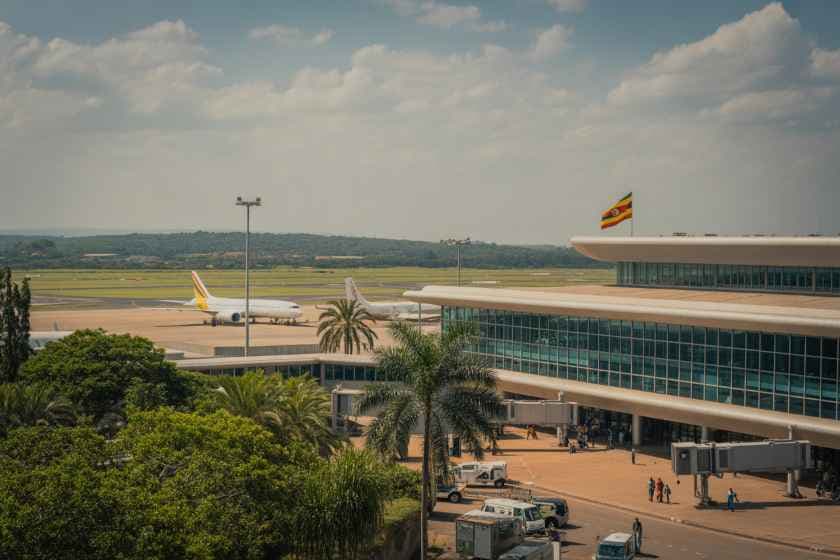
Reported declines in international bookings linked to adverse publicity about Uganda Airlines have already affected seat utilization and disrupted scheduled connections into Entebbe International Airport. The Ministry of Tourism has signalled that reduced confidence in the carrier is translating into fewer confirmed arrivals, complicating logistics for tour operators, hoteliers and ground transport providers who plan capacity around flight manifests.
Operational ripple effects across the tourism supply chain
When national carrier reliability is questioned, the consequences extend beyond the airline's balance sheet. Tour operators report tighter margins as last-minute cancellations or rebookings inflate costs; accommodation providers face variable occupancy; and ground handlers and transfers contend with irregular arrival patterns. For Uganda — which markets safaris, wildlife viewing and eco-travel — stable air access is a critical factor in maintaining scheduled itineraries for international travellers.
Stakeholder concerns voiced at the Jinja retreat
At a three-day management retreat in Jinja held under the theme “Reflecting, Transforming and Aligning for Competitive Tourism Destinations,” Tourism Minister Colonel Tom Butime urged cautious handling of the airline situation. He contrasted the public turbulence surrounding Uganda Airlines with smoother leadership transitions at the Uganda Tourism Board and Uganda Wildlife Authority, noting that calm, professional institutional changes protect destination reputation and preserve booking confidence.
📚 You may also like
What the sector is doing: strategy, coordination, and resilience
The retreat’s agenda emphasised tightening coordination across agencies to protect the country’s recovery. Permanent Secretary Doreen Katusiime reiterated tourism’s role as a national economic pillar and called for more strategic planning around marketing, service delivery, and conservation. Officials expect a refreshed strategic plan to prioritise destination marketing, improved service standards and better alignment of air connectivity with market demand.
| Stakeholder | Immediate Issue | Operational Response |
|---|---|---|
| Airline | Reputation damage, reduced bookings | Public relations, management review |
| Tour operators | Itinerary disruptions, cancellations | Flexible rebooking policies, alternative routings |
| Accommodation | Occupancy volatility | Promotions, targeted marketing |
| Destination managers | Perception risk | Reputation management, coordinated messaging |
Guidance for travel trade professionals
Agents and resellers promoting Uganda as a safari or adventure destination should monitor developments closely and maintain contingency plans for clients. Recommendations include:
- Confirming flight status before finalising multi-leg itineraries;
- Offering flexible ticketing or insurance add-ons to reassure customers;
- Identifying alternate international gateways and regional carriers for contingency routing;
- Strengthening destination messaging to emphasise conservation successes and on-the-ground safety.
Historical context: aviation’s role in destination competitiveness
Historically, reliable air connectivity has been one of the most decisive factors in a destination’s appeal. Many emerging tourism markets saw growth only after improved flight access lowered travel friction and increased seat supply. Conversely, episodes of airline instability or negative publicity have previously depressed arrivals for countries reliant on a single national carrier or limited international gateways. Over time, well-coordinated marketing campaigns and diversified air access often restored confidence, but recovery timelines varied depending on the depth of the reputational issue.
Lessons from comparable markets
Examples from other regional markets show that rapid, transparent responses from both government and aviation stakeholders help limit contagion to the wider tourism economy. Effective measures typically include crisis communication plans, temporary operational guarantees, stronger consumer protections, and active engagement with tour operators and trade associations to stabilise bookings.
Outlook for Uganda’s tourism recovery and implications for leisure activities
Despite the current turbulence, there are encouraging signs: the sector surpassed pre-pandemic visitor numbers in 2025, demonstrating resilience. If the airline controversy is resolved swiftly through professional, transparent measures, the recovery trajectory can continue. Strategic prioritisation of destination marketing, improved service delivery, and conservation messaging will be critical to retaining momentum.
Implications for lake and inland boating activities
While the headline story centres on aviation, the knock-on effects reach other segments of the leisure market. Uganda’s lake-based tourism — particularly on Lake Victoria and other inland waters — depends on steady arrivals to sustain charter boat operations, fishing excursions, and lakeside accommodation. A drop in international visitors can reduce demand for boat charters, captained excursions and guided fishing trips, while a restored confidence in air access supports bookings for water-based activities, from day trips to multi-day yachting and boating packages.
Practical steps to shore up water-based offerings
Local operators can mitigate risk by diversifying distribution channels, marketing to regional and domestic markets, and promoting package deals that combine safaris with lake stays. Investments in service quality, safety standards for captains and boats, and clearer online booking options help make lake and boating experiences more attractive to uncertain travellers.
Summary and conclusion
The leadership message from Uganda is unambiguous: aviation reputation management is integral to tourism survival. Negative publicity around Uganda Airlines has already affected booking patterns and exposed vulnerabilities across the tourism supply chain. The government retreat in Jinja prioritised calm institutional transitions, coordinated strategic planning and stronger destination marketing to maintain the recovery that saw arrivals exceed pre-pandemic levels in 2025. For travel professionals, maintaining flexible itineraries, securing alternative routings and communicating transparently with clients are immediate priorities.
As Uganda works to stabilise its air connectivity, the consequences for lake and boating tourism are clear — fewer inbound visitors reduce demand for yacht and boat charters, fishing trips and lakeside activities, while restored confidence can quickly revive bookings for charter, boat and sailing experiences. For travellers and operators alike, attention to reputation, service delivery and coordinated marketing will determine how quickly arrivals rebound and how sustainably Uganda’s destinations, marinas and water-based activities recover.
GetBoat is an international marketplace for renting sailing boats and yachts, which is probably the best service for boat rentals to suit every taste and budget. Visit GetBoat.com for options on yacht charter, boat rent, lake and coastal activities — whether you are planning a captain-led fishing trip, a sailing holiday, or simple boating excursions while exploring destinations and marinas near clearwater beaches and inland lakes.


