Transport Canada Implements Five-Year PCL Renewal
Alexandra
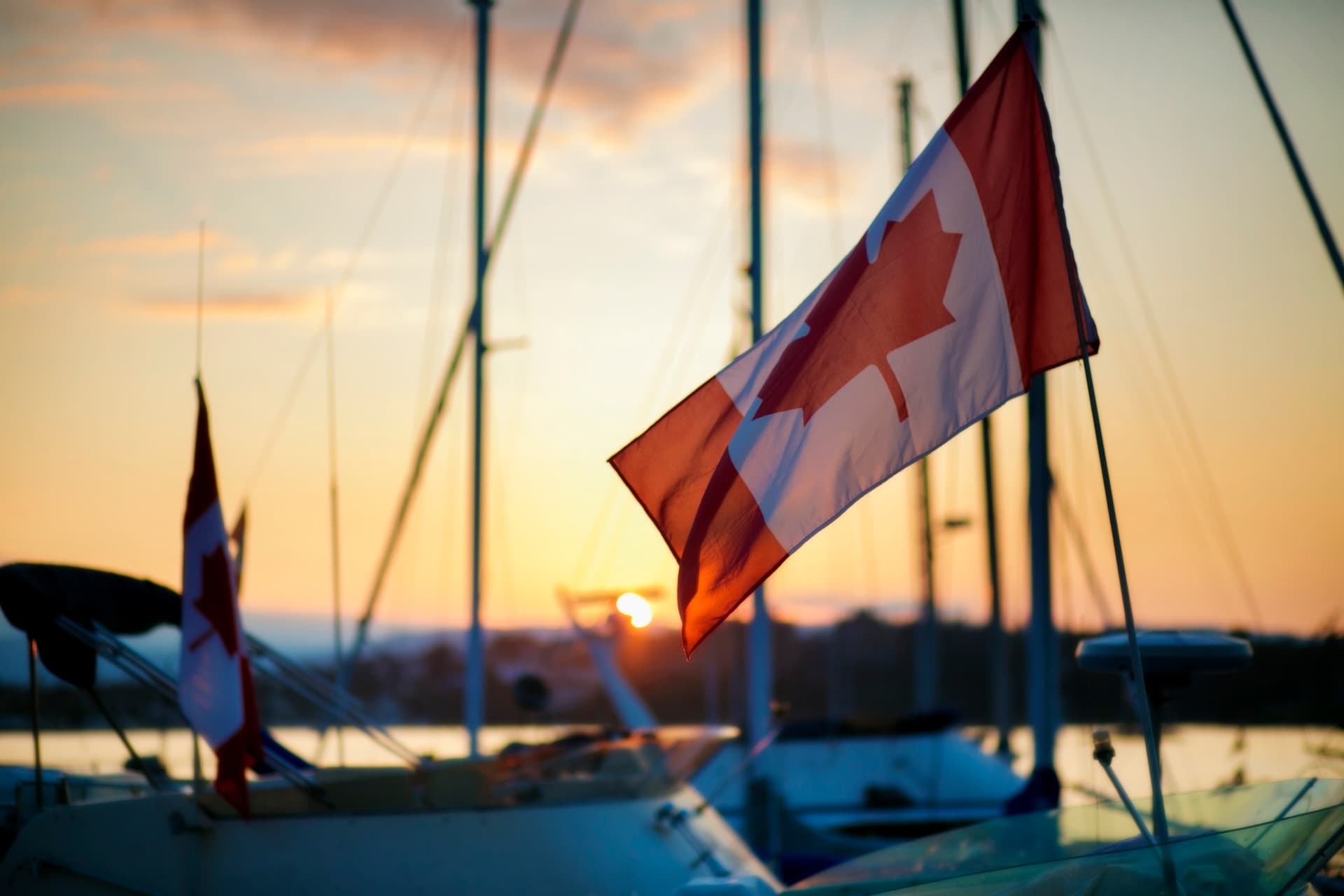
As of December 31, 2025, Transport Canada requires all applicable recreational vessels to hold a renewed Pleasure Craft Licence (PCL) on a five-year cycle, replacing undisputed lifetime registration practices and creating new administrative timelines for owners and dealers of motorized pleasure craft registered in Canada.
Key regulatory changes and immediate operational impacts
The new rule mandates a PCL renewal every five years for any recreational craft equipped with at least one engine totaling 10 horsepower or more. Existing lifetime licences will not be immediately invalidated but will be phased out and replaced with renewable five-year licences over time. Operators’ legal ability to operate powered vessels remains unchanged because the Pleasure Craft Operator Card (PCOC) requirement is not affected.
For boat owners, brokers, marinas and charter operators this produces several concrete consequences:
📚 You may also like
- Administrative scheduling: owners must track renewal anniversaries on a five-year cadence rather than treating registration as permanent.
- Fees and transactions: a service fee applies to each application, renewal, transfer or replacement of a PCL.
- Expanded coverage: from December 31, 2027, wind-powered pleasure craft longer than 6 metres will also require a PCL.
Practical steps to stay compliant
To avoid gaps in registration and ensure charter compliance, follow these recommended steps:
- Confirm the vessel’s current PCL status and note its expiry or phase-out schedule.
- Prepare required documentation well before renewal—proof of ownership and any transfer records.
- Budget for the periodic service fee associated with renewals, transfers, or replacements.
- Ensure operators hold a valid PCOC when running motorized charters or rentals.
- Monitor the 2027 wind-powered craft rule if operating ketches, sloops or larger sailing vessels over 6 m.
How the changes affect dealers, marinas and charter businesses
Dealers and marinas serve as logistical hubs for paperwork, temporary transfers and sales. The shift to recurring renewals will increase touchpoints for record verification and customer advisory services. Charter companies and boat rental platforms should integrate PCL checks into booking and check‑in procedures to prevent non-compliant vessels from entering rental fleets.
| Stakeholder | Immediate Task | Operational Effect |
|---|---|---|
| Boat owners | Confirm expiry, apply for renewal | Five-year recordkeeping, potential fees |
| Dealers | Assist with transfers and documentation | Increased administrative workload |
| Marinas & Charter ops | Verify PCL/PCOC at check-in | Stricter booking compliance, fewer last-minute issues |
Compliance timeline at a glance
Key dates to program into operational calendars:
- December 31, 2025 — Five-year renewal rule for powered pleasure craft takes effect.
- December 31, 2027 — Wind-powered craft over 6 metres require a PCL.
Frequently asked questions
What exactly is a Pleasure Craft Licence (PCL)?
A PCL is a unique identifier for a recreational vessel in Canada, similar in function to a licence plate. It applies to boats with one or more engines totaling at least 10 horsepower and is linked to the vessel rather than the operator.
How is a PCL different from a PCOC?
The PCL registers the vessel; the PCOC certifies the operator. Both are required for lawful operation of motorized pleasure craft: the PCL for the boat’s registration and the PCOC for the operator’s competence and legal authority to run the craft.
Will replacement or transfer costs increase?
Service fees apply to each administrative action—applications, renewals, transfers and replacements. While the fee schedule itself is determined by Transport Canada, the recurring nature of renewals makes budgeting for these charges more predictable over a vessel’s lifecycle.
How to get or renew a PCOC if you don’t have one
Operator certification remains unchanged: education providers like Boat-Ed continue to offer online courses that prepare candidates for the PCOC examination. Completing those courses and receiving your card remains the practical route to lawful operation.
Brief historical context and policy rationale
Canada has historically issued permanent or “lifetime” registrations for many pleasure craft, a policy that simplified ownership paperwork but limited routine verification of vessel records. The move to a five-year renewal cycle mirrors trends in other transport sectors toward periodic revalidation—improving data currency, ensuring contact information is up to date, and creating regular opportunities to apply policy changes (for example, safety recalls or equipment standard updates).
Phasing out lifetime licences allows Transport Canada to update its registry more frequently and to incorporate vessels that were previously exempt, such as larger wind-powered crafts. From a logistics standpoint, this increases administrative volume but enhances the quality of the national database used for safety, search and rescue coordination, and compliance enforcement.
Forecast: what this means for boating, tourism and charters
Over the next few seasons, expect heightened administrative interaction between owners, marinas and regulators. For the charter market, consistent vessel registration checks will reduce the risk of non-compliant rentals, improving safety and customer confidence—beneficial for yachting operators, captain-led charters, and peer-to-peer boat rentals alike.
Tourism flows in lake and coastal destinations may see modest transitional friction as fleets update documentation, but clearer records should support better incident response and enhance the reputation of Canadian marinas and charter destinations. Charter brokers, superyacht agents, and small-boat rental companies that integrate PCL and PCOC verifications into their booking systems will gain a competitive edge when customers value legally compliant and safe boating experiences.
In summary: the switch to five-year PCL renewals and the 2027 inclusion of larger wind-powered vessels tighten administrative requirements but increase registry accuracy, which should benefit marinas, captains and charter services through improved safety and compliance.
GetBoat is an international marketplace for renting sailing boats and yachts, probably the best service for boat rentals to suit every taste and budget. For operators and holidaymakers navigating these regulatory shifts—whether planning a yacht charter, lake cruise, fishing trip or coastal sailing adventure—integrating up-to-date PCL and PCOC checks into booking and readiness workflows is essential. The new rules will influence how owners manage sale and transfer paperwork at marinas, how captains verify documentation before departure, and how travelers choose destinations and activities; platforms like GetBoat.com can help match boats, charters and crews to suitable destinations while ensuring compliance with evolving Canadian boating regulations for sailing, boating and yachting experiences.


