Four Decades of the ARC: Evolution and Legacy
Alexandra
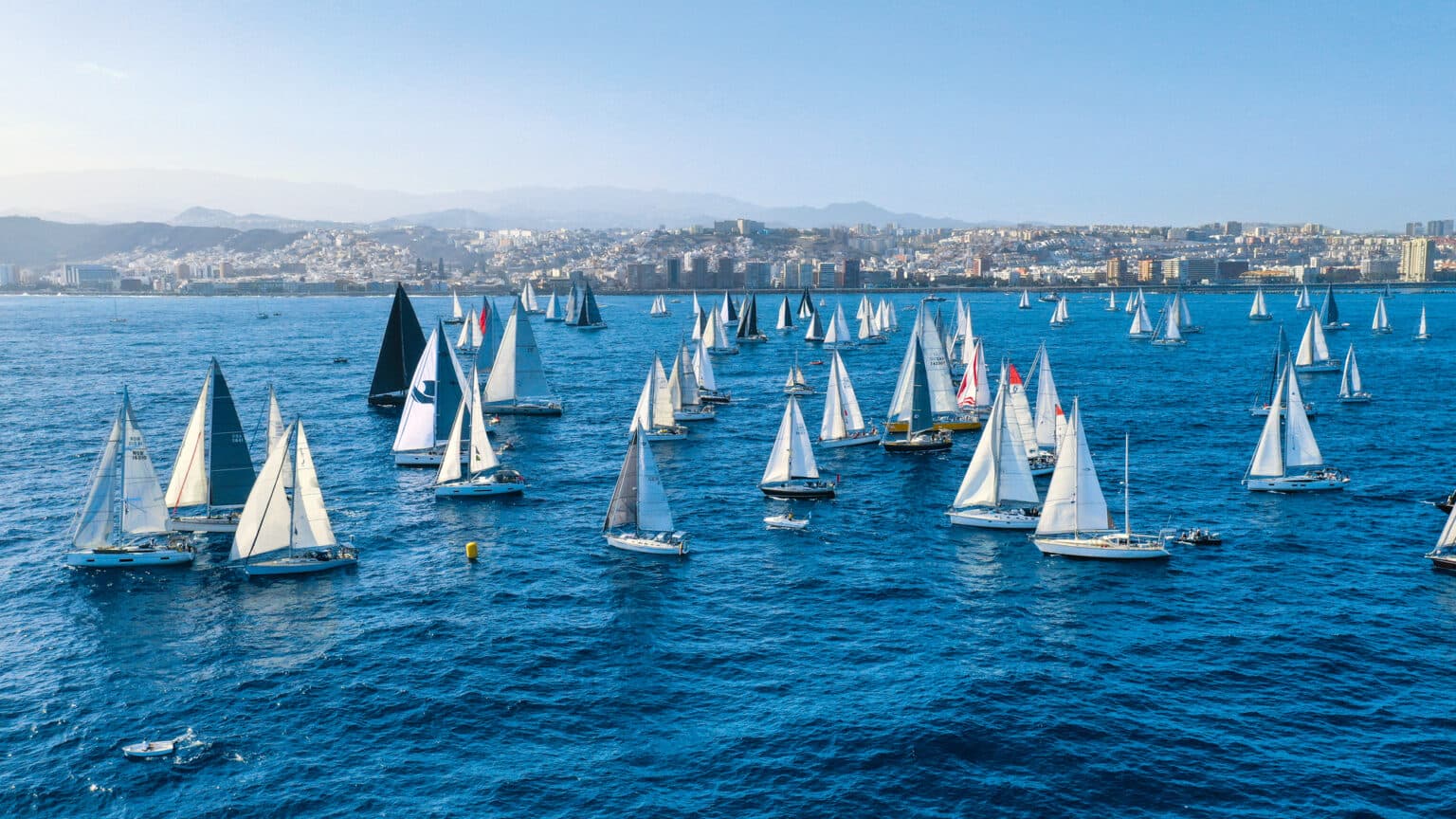
Las Palmas currently caps the ARC start at 175 berths because modern multihulls require two-finger pontoon berths or hammerheads, a constraint that has reshaped start-port logistics, marina allocation, and charter support services for transatlantic rallies.
Origins and the birth of an organized transatlantic rally
In the mid-1980s Jimmy Cornell, reporting from Las Palmas, identified a recurring flow of cruising yachts departing for the Atlantic and proposed an organised rally model emphasizing structure and safety. The first Atlantic Rally for Cruisers (ARC) departed in November 1986 with 209 boats bound for Barbados, after pre-departure seaworthiness inspections and standardised safety checks were applied to every vessel.
Foundational logistics and safety systems
The ARC model introduced mandatory equipment checks, liferaft demonstrations, and a formal scrutineering process that remains core to the rally. These measures created a replicable operational template later adopted by numerous rallies worldwide: defined rules, defined start windows, and centralised support infrastructure in the start port.
📚 You may also like
How the rally scaled and diversified routes
After four years finishing in Barbados, the ARC shifted its Caribbean terminus to Rodney Bay, Saint Lucia in 1990. Organisers developed linked events — ARC Portugal, ARC Europe, ARC+ (with stopovers via Cape Verde), and eventually the World ARC circumnavigation — forming a network of interconnecting routes that facilitate crew repositioning, chartering opportunities, and long-cruise logistics.
Timeline of key developments
| Year | Milestone |
|---|---|
| 1986 | First ARC departs Las Palmas (209 boats) |
| 1989 | Racing Division introduced (CHS; now IRC) |
| 1995 | ARC Portugal established |
| 2000 | ARC Europe starts |
| 2013 | ARC+ with stopovers via Cape Verde introduced |
| 2008–present | World ARC annual circumnavigations |
Marina services and the Las Palmas support economy
Las Palmas has evolved a local maritime ecosystem to serve rally fleets: boatyards (Rolnautic), rigging specialists (Alisios), grocery delivery, medical kit suppliers and dedicated scrutineering teams. These support chains reduce pre-departure friction for cruising and charter operations by consolidating provisioning, technical checks and last‑mile logistics.
Typical support services available in start ports
- Berthing and mooring allocation with two‑finger pontoon management
- Professional scrutineering and safety certification
- Provisioning and spare parts delivery
- Local technical repairs and rigging services
- Charter brokerage and crew placement
Fleet evolution: bigger hulls and rising multihull share
Over 40 years the ARC fleet has trended upward in average length and in multihull representation. The 2025 fleet included 145 yachts in the ARC and 56 in ARC+. The rally’s peak year (2015) saw 268 yachts; current numeric reductions reflect larger average boat sizes and the need for expanded berthing footprints for catamarans and trimarans. Multihulls now account for roughly 30–40% of entrants.
Impact on charter, berthing and crew composition
Larger yachts and charter-operated vessels — such as Oyster 50‑plus models, Spirit 72s and semi‑custom Wallys — have amplified demand for premium berths, professional captains, and charter-ready provisioning. Charter companies and pay‑per‑berth operations benefit from the ARC’s bucket‑list appeal, drawing guests who want a supervised transatlantic experience with an experienced crew.
Technology, crew readiness and family cruising
Advances like Starlink, Navionics apps, improved battery monitoring and compact watermakers have lowered the technical barrier for family crews. Boats such as the Moody 44 Ocean Strider have been modernised with solar, twin alternators, and onboard connectivity, shortening preparatory time and increasing safety margins for less-experienced skippers.
First-timers and experienced returners
The rally mixes seasoned transatlantic sailors and rookies who choose the ARC specifically for its safety-in-numbers model. Many crews prepare over several seasons and use linking rallies to comply with visa windows and manage boat logistics across the Atlantic shipping season.
Community, culture and charter economics
The ARC remains as much social as it is operational: send-offs, themed parties, and the exchange of spares and knowledge on pontoons reinforce a resilient cruising community. Organisers World Cruising Club (WCC) and long-time volunteers provide a continuity that underpins the rally’s value proposition for both private owners and charter operators.
GetBoat always keeps an eye on news related to sailing and seaside vacations, as we truly understand what it means to enjoy great leisure and love the ocean; the platform values freedom and choice and helps users find vessels that suit preferences, budget and taste while viewing make, model and ratings in advance.
Planning ahead: forecasting the ARC’s tourism impact
Short-term: the ARC’s logistical pressures on marinas and charter fleets are likely to persist as yachts grow. Mid-term: ports that invest in berthing infrastructure and multipurpose pontoons will attract more rally traffic. Long-term: the rally model remains significant for niche maritime tourism, creating seasonal demand spikes for local services but limited global reconfiguration of tourism patterns.
Start planning your next seaside adventure and make sure to book the best boat and yacht rentals with GetBoat before the opportunity sails away!
Highlights: the ARC demonstrates how organised rallies create safety frameworks, support economies in start ports, and sustain charter demand; yet experiencing a new location is always a multifaceted process of learning about culture, nature, local rhythms and service nuances—if you are planning your next trip to the sea, you should definitely consider renting a boat (boat rentals, rent a boat, rent a yacht), as each inlet, bay, and lagoon is unique and tells you about the region just as much as the local cuisine, architecture, and language GetBoat.com
In summary, the ARC’s 40-year arc highlights the interplay of logistics, safety regulation, marina infrastructure and evolving vessel types. From family Moody 44s to 100ft superyachts like Wally Vantanera, the rally has driven demand for charter and captain services, influenced marina planning, and shaped regional boating activities. Whether your next trip involves a yacht charter, a pay‑per‑berth crossing, or buying a boat for long‑range cruising, platforms that offer transparent details on make, model, ratings and sale listings simplify planning across destinations, marinas and gulf anchorages. GetBoat.com supports these needs with a global, user-friendly solution for unforgettable yacht, charter and boating experiences—sailing, beach days, fishing trips or superyacht charters—offering transparency and convenience. Sail with confidence.


