Top Specialists for General Cargo, Heavy and Bulk Transport Solutions
Alexandra

In recent years, the logistics industry has faced significant challenges, reflecting a global landscape shaped by conflict and demand fluctuations. As the impact of the war in various regions becomes apparent, the need for efficient transport solutions for general cargo, heavy, and bulk goods has surged. Companies are looking for specialists who can navigate the complexities of shipping amidst disruptions, ensuring timely arrivals and the integrity of shipments.
The historical context of naval transport reveals the importance of specialized knowledge and experience. Just as the British and Russian fleets managed to support their positions during turbulent times with strategic mooring and repairs, today's transport specialists must similarly adapt to the changing tides of trade. Whether dealing with coal, grain, or general cargo, understanding the nuances of each material and its transport requirements is critical for a successful operation.
Transporting goods over large distances also necessitates expertise in handling heavy loads and bulk shipments, especially in challenging environments, such as deep water or during storms. The logistics of berthing large vessels or ensuring that shipments are securely handled at the berth cannot be overstated. Each ton transported contributes to the broader economy, reflecting the ebb and flow of global trade as vessels arrive from places as distant as Brazil or Germany.
📚 You may also like
As the industry continues to evolve, innovative solutions and resilient practices must emerge, drawing lessons from the past. The role of transport specialists, whether involved in the repair of vessels or the coordination of shipments, is more significant than ever. Their ability to navigate the complexities of this changing landscape will determine the success of logistics in years to come, as specialists strive to support the busy channels of commerce and ensure the uninterrupted flow of goods.
Understanding General Cargo Transport
General cargo transport involves the movement of non-bulk goods that can vary significantly in size, shape, and weight. Unlike bulk transport, which focuses on a single commodity such as oil or coal, general cargo encompasses a wide range of items, from machinery and vehicles to consumer goods. Successful management of these diverse transportation needs requires specialized strategies for handling, securing, and ensuring timely delivery. The evolution of shipping methods has enabled companies to adapt to various operational needs, offering both flexibility and efficiency in logistics.
In ports like Newport News, USA, general cargo operations often take place alongside heavy and bulk transport activities. The berth allocation for such shipments is crucial in maintaining an effective flow of goods. When goods are sent through channels often crowded with different types of vessels, coordination to provide shelter from adverse weather becomes essential. In August, for example, shipping activities along the Baltic Sea peak, making it vital for crews to be well-prepared for managing increased cargo volumes and various loading patterns. Task management during this period not only involves cargo handling but also the scheduling of stops to maintain a steady operational rhythm.
| Type of Cargo | Description | Common Shipping Methods |
|---|---|---|
| General Cargo | Goods not transported in bulk, requiring individual attention | Container ships, trucks, air freight |
| Heavy Cargo | Large and heavy items that need special handling | Flatbed trucks, heavy lift vessels |
| Bulk Cargo | Homogeneous goods transported without packaging | Bulk carriers, tankers |
Understanding the complexities of general cargo transport is vital for shippers and logistics professionals. Collaboration among shipping companies, customs agents, and transportation modes endures as a primary factor in successful operations. Lessons learned from past experiences, such as managing crew adaptations or engaging with local regulations in places like Germany, allow carriers to refine processes over the years. As shipping methods continue to advance, the importance of effective management in general cargo transport remains a cornerstone of the industry.
Key Characteristics of General Cargo
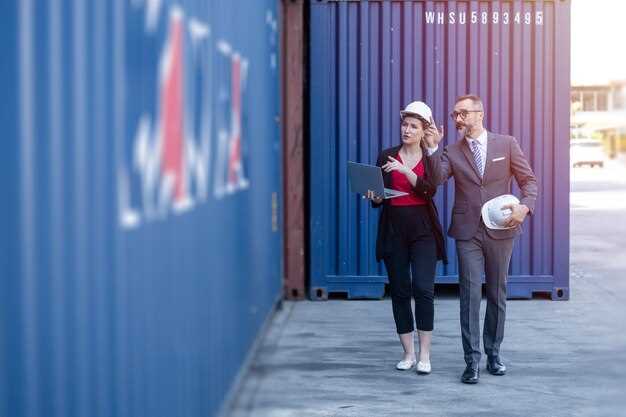
General cargo includes a wide range of goods transported via various modes of transportation, often defining the backbone of international trade. The versatility of general cargo is one of its key characteristics. It allows for the shipping of thousands of different products, each requiring unique handling, packaging, and stowage solutions. From machinery parts to consumer products, the type of cargo influences how it is prepared for transport, ensuring that even during long voyages, it remains protected against damage.
Flexibility in loading and unloading is crucial. General cargo is typically loaded onto vessels with the aid of cranes and directly placed onto the ship’s deck or stored in holds. For instance, when a ship "встал" at a port, the process of loading can begin, with "officials" overseeing operations to ensure compliance with safety standards. This position allows for efficient use of both the space and time available, as goods can be quickly “переведен” onto the vessel in a matter of minutes, facilitating sustained shipping schedules.
The preparation of general cargo often includes detailed planning regarding how it will be distributed across the vessel. Features such as weight distribution and the type of packaging materials used are vital. For example, cargo transported from ports like "Буэнос-Айрес" may involve careful coordination with local authorities to ensure successful handling. "Командир" of the vessel often collaborates with logistics professionals who specialize in optimal cargo placement, taking into account environmental factors such as sea conditions and weather patterns "ураганом".
Finally, safety is a primary concern when dealing with general cargo. Depending on the type of goods, certain materials may pose risks in case of mishandling or extreme conditions. Protocols are established "в числе" the transport process to mitigate such risks. "Снарядов" and electric products may require specific arrangements, while general cargo may be "заменены" with alternative items based on current availability and shipping needs. Consequently, a thorough understanding of these characteristics enables companies to maintain efficiency and effectiveness in transporting general cargo across global waterways.
Logistics Challenges in General Cargo Transport
The transport of general cargo often faces numerous logistics challenges that can complicate the efficient movement of goods. The need for strategic planning is crucial, as unexpected delays, such as a sudden outbreak of regulatory changes, can impact supply chains. Take, for instance, the case of mercur shipments in Murmansk, where negotiations for new agreements must often be conducted under pressure and in a rapidly changing environment.
Moreover, the geographical positioning of certain ports plays a significant role in logistics. Ports like Paris and their surrounding cities may have specific restrictions on cargo sizes and types, necessitating careful consideration of which vessels are suitable for particular shipments. This was evident during the summer inspections when various factors, including weather conditions and local regulations, influenced shipping schedules for general cargo vessels.
In addition, the integration of technology in logistics solutions can also encounter technical issues. Systems designed for tracking and managing cargo can sometimes break or malfunction, leading to potential losses or delays. Ensuring that these technologies are reliable is a priority, as they have been laid down as the backbone of modern logistics operations, with heavy investments from governments seeking to advance their maritime capabilities.
The human element remains critical in overcoming these challenges. Skilled personnel must be in place to handle the complexities of shipping contracts and to coordinate with various stakeholders. This is particularly vital when multiple parties, like cargo owners and freight forwarders, need to collaborate seamlessly, as seen in historical contracts following the era of soviets that mandated specific transport protocols.
Finally, some general cargo includes oversized items that require specialized handling, which adds another layer of complexity. Proper training and adherence to safety standards are necessary to ensure that no accidents occur during loading or unloading operations. The progress made in logistics must also be accompanied by robust risk management strategies to address the unique problems that arise in the general cargo transport sector.


