The Ultimate Guide to Boating and Sailing - Tips, Techniques, and Destinations
Alexandra
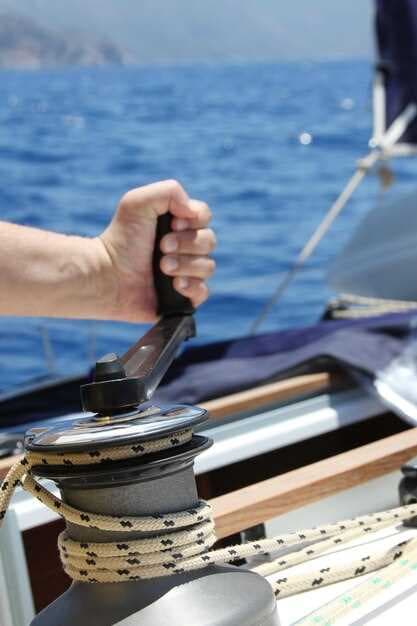
Boating and sailing offer a fascinating way to explore the world’s waterways. From the calm sooths of lakes to the bustling waves of oceans, this guide is designed for everyone who is considering diving into the exciting realm of water recreation. Whether you will be driving a cruiser, renting a pontoon, or kayaking through serene inlets, there’s a variety of experiences waiting for you. Did you know that some locations, like Washington’s San Juan Islands, have specific rentals that can accommodate your needs? With a little bit of planning and the right information, your adventure can really take off.
This guide covers essential tips and techniques that can make your experience enjoyable. If you are considering booking a rental, it’s important to understand the different types of watercraft available, such as dinghies, paddleboards, or even village-bikesca that can keep you mobile during your exploration. Moreover, understanding pricing and rates before your booking is crucial; sometimes, the best deals require advance reservations. Remember, certain areas may have closed hours, so it's prudent to check in advance to avoid surprises.
Exploring picturesque destinations can be interesting, but it’s equally important to consider the skills required for safe boating. Whether you are a novice or a seasoned enthusiast, tips from experienced sailors can enhance your confidence and abilities on the water. From guiding you on how to return to shore smoothly when your hours of fun are coming to an end, to explaining the ropes of sailing techniques, this guide is here to equip you with all that you need. Get ready to set sail for unforgettable memories and hair-raising adventures as we navigate through the ultimate boating and sailing experience!
📚 You may also like
Boating Basics: Techniques and Tips
For anyone considering a day out on the water, understanding boating basics is essential. Whether you’re looking to navigate the calm lakes or tackle swift rivers, having the right techniques in place will ensure a pleasurable experience for all onboard. First and foremost, familiarizing yourself with the required permits for your chosen area is crucial. Each state can vary in regulations, and neglecting this can lead to unwanted fines or, worse yet, having to cut your trip short.
Boaters should always prioritize safety. One effective technique is ensuring that life jackets or personal flotation devices (PFDs) are readily available. It may seem basic, but many accidents happen because safety gear is either unavailable or not worn. For families, it's beneficial to have each member equipped with a PFD that fits properly, making the boat ride enjoyable and, most importantly, safe.
Understanding your vessel types is equally critical. If you're renting a runabout or a cruiser, take time to learn its controls and features. Familiarize yourself with the throttle, steering, and any navigation aids that might be onboard. Likewise, knowing how to operate a sailboat involves understanding wind direction and sail management. Make sure you dedicate the first few hours of your trip to simply getting comfortable with the boat.
Weather is another factor that cannot be ignored. Before heading out, check forecasts for your planned boating destination. Conditions can change quickly, and being caught in a storm can be painful. Always have an alternative plan for days when the weather doesn't cooperate. Keep an open line of communication with any tours or expeditions you might join, as they can provide valuable information on weather updates and safety guidelines.
Moreover, understanding basic navigation techniques is vital. It’s not just about being able to read a map; it entails understanding nautical charts and GPS systems to plot your course effectively. Consider practicing your navigation skills in calm waters before setting off into more challenging environments. This preparation will bolster your confidence and enhance your boating experience.
Finally, consider your approach to cycling and boating logistics. Many destinations, like parks with boating facilities, often accommodate bike rentals, allowing you to explore on land after a day on the water. Places like village-bikesca allow reservations for both bikes and boats, fostering flexibility. During your time, it’s an excellent practice to keep a schedule and make reservations ahead of time–especially during peak seasons–to avoid last-minute closures or sold-out rentals.
Remember that ongoing education is key to enjoying boating. Resources like online boating courses or local marine schools can equip you with additional skills. Engage with other boaters and forums to share experiences and techniques. The union of shared knowledge among boaters can drastically improve your boating prowess.
In summary, whether you're a novice or a seasoned sailor, always keep in mind the foundational elements of boating. Don’t hesitate to consult experts or fellow sailors for advice on any subject that seems challenging. With the right tools and knowledge, your time aboard can transform from just an activity to an exhilarating experience filled with memorable adventures.
Understanding Boat Navigation
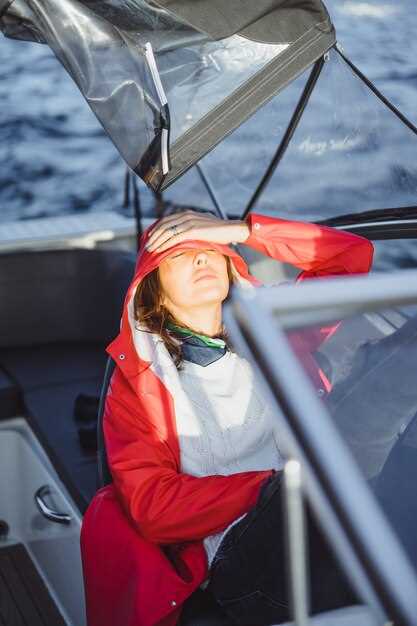
Successful boat navigation offers a combination of skills and knowledge that are essential for both recreational boaters and professional cruisers. Whether you are renting a catamaran or navigating a wooden sailboat, understanding your location in relation to landmarks is crucial. In Washington and other areas, local laws require having the correct permits for boating activities, especially when planning expeditions along popular waterways like the Columbia River. Using nautical charts, GPS, and sound navigation tools can help you book a safe route for your journey, ensuring that you enjoy the experience without unexpected closures or detours.
To begin, familiarize yourself with the terminology and instruments used in navigation. This includes understanding how to read depth sounders and use a compass effectively. Additionally, if you're planning to drive a boat in busy areas like Lopez Island, you should know about maritime traffic rules, which can change depending on the time of year and day. Doing some research about your intended destination can really enhance your experience, allowing you to enjoy interesting sights while cruising. Be mindful that conditions can change–what looks good one day may not be the next, so flexibility is key. Keep your boat and equipment in repair to ensure everything operates smoothly during your outings.
Safety Equipment Essentials
When you head out on a boat or a catamaran, ensuring safety is paramount. First and foremost, you should have the appropriate personal flotation devices (PFDs) on board for each person. These don’t just keep you safe; they can be lifesavers in unexpected situations. Choosing a PFD that fits well is essential. Remember that wearing one is a requirement in many states.
Beyond PFDs, having a first aid kit onboard is crucial. It should include basic supplies such as bandages, antiseptic wipes, and any personal medications you might need. Make it a priority to familiarize yourself with the contents and their use. You can find kits tailored for boats at your local marine sales centers or online.
As you plan your trip, take into account the possible weather conditions. A properly functioning marine radio can facilitate communication and is vital for receiving weather updates while on the water. You should also consider having a GPS device or smartphone with navigation apps. If you are venturing into open waters or an unfamiliar anchorage, these tools help you avoid potential danger.
It’s wise to check for necessary permits before setting out. Some locations may require a reservation for specific areas or facilities. If you plan to engage in activities like renting kayak or paddleboards, book in advance to ensure availability. Planning could save you from disappointment and allow you a safer experience.
For your boat, verify that the fire extinguisher is operational and compliant with safety regulations. Inspect the equipment regularly, particularly if your vessel spends months in storage. Alongside, assess the navigational lights and emergency flares, ensuring they are ready for use.
For those who like exploring lakes or bays, having a dinghy for transport can accommodate your needs. This small boat can allow you to reach shore, where you might find essential facilities or simply explore the area. However, always use caution when transitioning from larger vessels to smaller ones, as it can be a bit tricky.
In conclusion, remember that safety should always come first. Whether you're taking a leisurely cruise on a Bayliner or planning an adventure in a canoe, being prepared and equipped is essential. You can really enhance your boating experience by ensuring you have the required equipment and understanding the protocols needed to enjoy your time on the water, safely.


